UK shop price inflation rises to 2.1%, highest in two and a half years
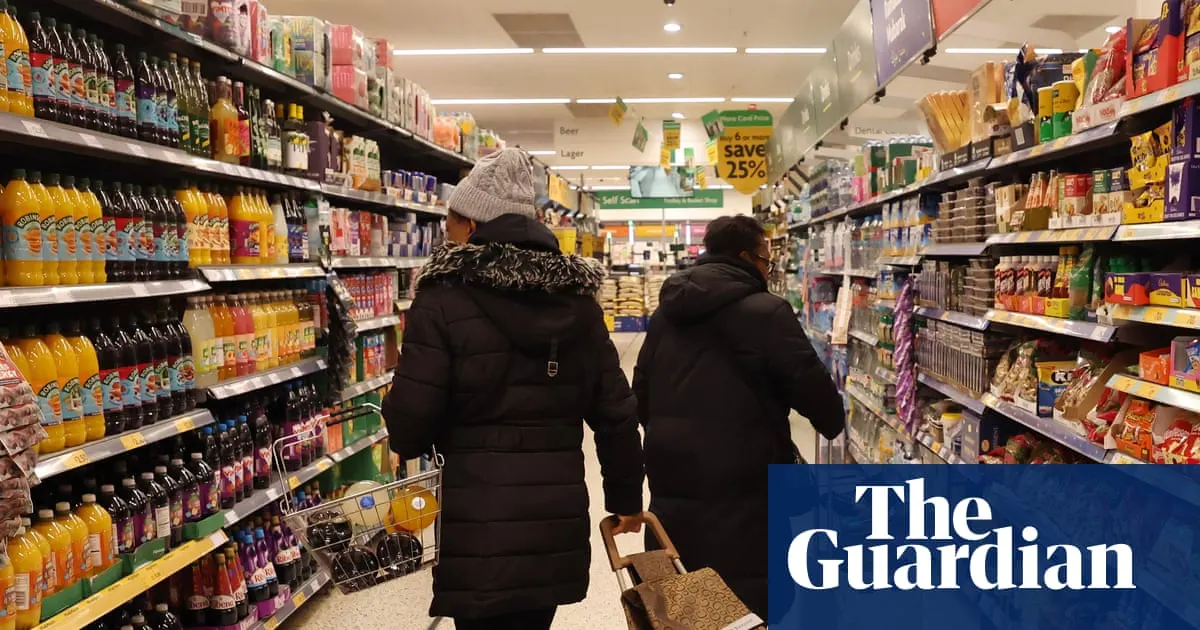
UK shop price inflation reached 2.1% in October, up from 1.4% in September and its highest level in two and a half years, the British Retail Consortium said. Retailers have been absorbing higher energy and ingredient costs, but the rise suggests more are passing them on to shoppers, adding pressure ahead of the chancellor’s first budget.
Food inflation rose to 2.9% from 2.5%, while non-food inflation more than doubled to 1.7%. Brent crude recently reached $117 a barrel, compared with about $70 before the conflict involving the US, Israel and Iran began in February; UK consumer price inflation was 3.5% last month. A study of low-income families found that 73% of participants had bought reduced items, 62% had changed the food they buy and 63% had left the heating off despite feeling cold.
In short
- Shop price inflation rose to 2.1% in October.
- Food and non-food prices both accelerated.
- Low-income families are cutting back on essentials.
Steelman: both sides, in good faith
The strongest fair case each way — we don't pick a winner.
The case for
Retailers facing sharply higher energy and ingredient costs cannot absorb rising expenses indefinitely without risking their viability, so passing some of them on may be necessary to keep shops operating and goods available. From this view, the inflation figures also underline the need for measures that ease businesses’ costs and support households struggling with essentials.
The case against
Passing higher costs on adds to pressure on households already facing elevated consumer inflation, and the reported changes in low-income families’ food and heating choices show how constrained some budgets are. From this view, retailers and policymakers should look for ways to limit price rises and protect shoppers, rather than allowing necessary goods to become less affordable.
Explained simply
Shop price inflation measures how quickly the prices of goods sold in shops are rising. The British Retail Consortium, a trade body for retailers, tracks these prices; its figures cover food and non-food items and are separate from the official measure of inflation across the wider economy.
Retailers face costs for ingredients, energy and transport, and changes in these costs can affect what shoppers pay. The price of oil is one factor because it can influence transport and production costs, while households on lower incomes may have less room to absorb increases in essentials such as food and heating.
The chancellor’s budget sets out the government’s tax and spending plans, which can affect households and businesses. Shop prices matter because they shape the cost of everyday purchases, alongside other household bills.
Art Business Celebrity Culture Economy Entertainment UK World
Read the full article at the source →
Originally published by The Guardian as “UK shop price inflation ‘highest since 2024’ as retailers struggle to limit price rises”.