UK wants deeper post-Brexit relationship with EU under Burnham, says minister
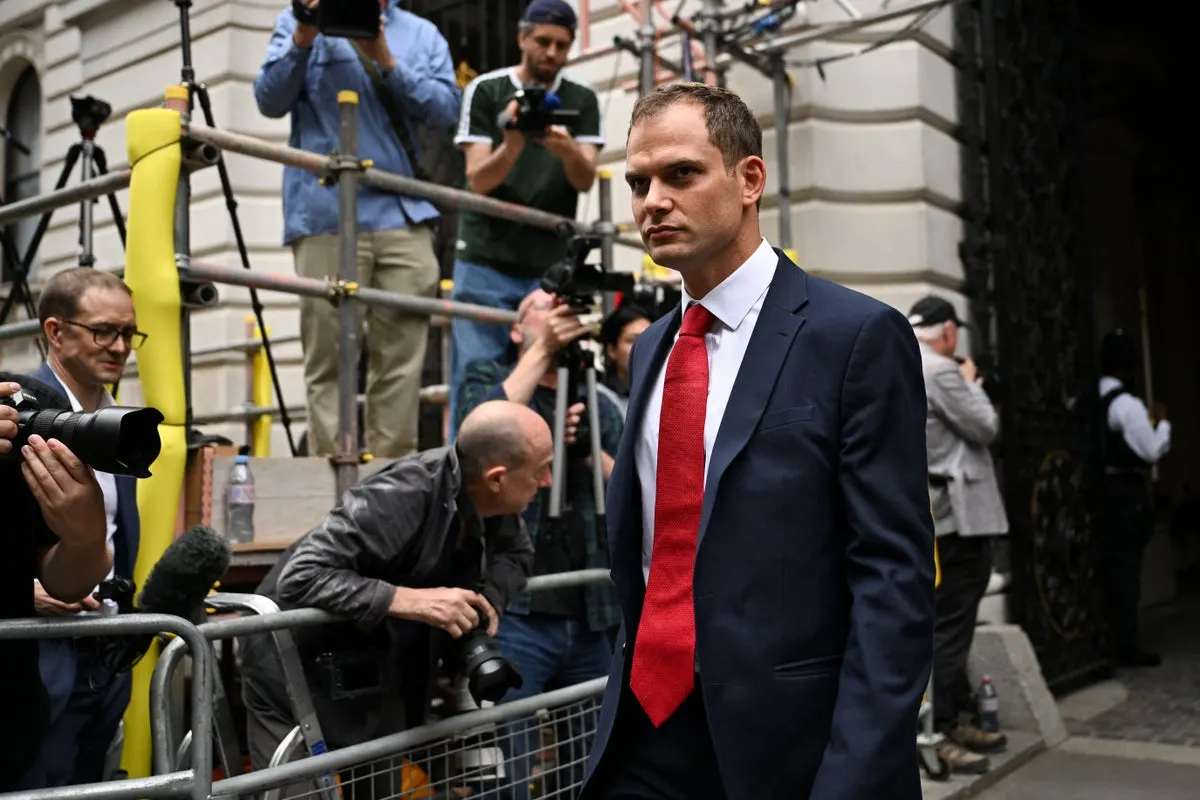
Hamish Falconer, the government minister leading post-Brexit negotiations with the EU, has said he wants a "deeper" and "more ambitious" relationship with the bloc, particularly around services trade, as Andy Burnham's team seeks to build on the reset talks begun under Sir Keir Starmer. The comments matter because they signal Labour's continued appetite for closer EU ties even as ministers insist they remain bound by manifesto "red lines" ruling out rejoining the customs union, single market or accepting free movement of labour, leaving open questions about how far any future negotiations could go.
Falconer, appointed as Burnham's top EU negotiator last month, told The Guardian he was especially keen to make progress on services, an area where the EU itself is less integrated and where he sees scope to go further. He stressed the negotiating relationship with Brussels was friendly and values-driven, contrasting it with his past experience negotiating with the Taliban. Separately, the Telegraph reported that a proposal drawn up by former Tory MP Nick Boles, seen by officials including national security adviser Jonathan Powell, suggests Britain could offer to extend its armed forces' and nuclear deterrent's protection across Europe in exchange for rejoining the EU's single market, part of a wider idea for a "European confederation" linking trade and Nato defence commitments.
In short
- Minister Hamish Falconer wants a deeper, more ambitious UK-EU relationship
- Government says it still won't rejoin single market, customs union or free movement
- Separate proposal floats UK defence guarantees in exchange for single market access
Steelman: both sides, in good faith
The strongest fair case each way — we don't pick a winner.
The case for
Advocates of deeper UK-EU alignment argue that geography and economics make Europe Britain's inevitable primary partner, and that closer cooperation on services, trade and security could unlock growth that both sides sorely need given shared productivity challenges. They see rigid adherence to red lines drawn years ago as needlessly self-limiting, arguing that a pragmatic, dialogue-based relationship between allies with common interests serves the national interest better than distance for its own sake. Strengthening defence and security ties, in particular, is framed as a sensible response to a changed continental security landscape that happens to also open economic doors.
The case against
Those wary of deeper alignment argue that the 2016 referendum and subsequent elections gave a clear mandate to remain outside the customs union and single market, and that governments have a duty to honour those commitments rather than quietly reinterpret them through technical dialogue. They worry that linking defence cooperation to single market access risks trading away sovereignty over immigration, regulation and law-making by the back door, without the explicit public consent such a major shift would require. For them, incremental drift towards EU structures undermines trust in political promises and risks reopening a divisive debate the country has already settled.
Explained simply
The UK left the European Union in 2020, ending its participation in shared rules for trade and movement between member states. Since then, the two sides have held talks on practical cooperation, while the UK government has ruled out rejoining the EU’s customs union or single market and restoring free movement.
The EU is a political and economic bloc whose members trade under common rules. Services, such as finance and professional advice, are an important part of the UK economy, but trade in them is less integrated across the EU than trade in goods. Any closer arrangement would involve negotiations between the UK government and EU institutions, and would have to address the limits the government has set.
Andy Burnham leads the Labour team referred to in the report, while Hamish Falconer is the minister responsible for EU negotiations. The separate proposal by former Conservative MP Nick Boles links access to the single market with defence cooperation; it is an idea reported as having been shared with officials, not an agreed government policy.
Americas Europe Government Politics UK World