Business news and discussion on TalkFuse.
Weakening UK electric car sales rules could threaten climate targets, CCC says
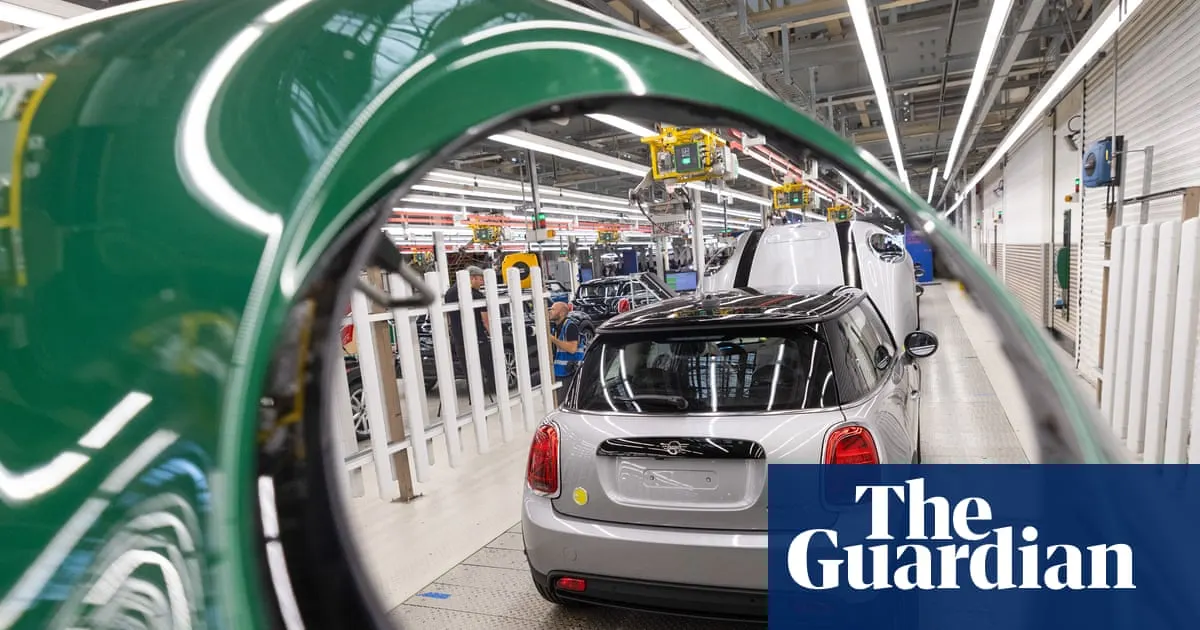
The Climate Change Committee (CCC) says weakening the UK’s electric vehicle sales rules would probably put legally binding climate targets at risk. It warns that allowing more petrol and diesel cars and vans to be sold could undermine the plan to reach net zero emissions by 2050.
The proposed changes could add 8.4 million tonnes of CO2 pollution a year by the next decade, and put the UK off course for its 2033–37 carbon budget. Carmakers face fines of £12,000 per vehicle if they miss annual sales requirements, but can use flexibilities to comply; electric cars made up 26.6% of new car sales in the first ten months of 2026, against a headline target of 33%. The CCC also says keeping the rules could help a typical household save about £800 a year and reduce oil use by up to 15 million barrels in 2030.
In short
- Advisers warn weaker EV sales rules could jeopardise UK climate targets.
- Proposed changes could add 8.4 million tonnes of CO2 annually.
- Electric cars made up 26.6% of new sales in early 2026.
Steelman: both sides, in good faith
The strongest fair case each way — we don't pick a winner.
The case for
Keeping the electric car sales rules could help the UK meet its legally binding climate targets by cutting transport emissions, and the CCC warns that weakening them could add substantial annual pollution. The rules may also reduce reliance on imported oil and save households money over time, while giving manufacturers a clear incentive to expand electric vehicle supply.
The case against
Easing the rules could give carmakers more time to adapt if they cannot yet meet the required electric vehicle sales share, particularly while electric cars remain a minority of new sales. Supporters of flexibility may argue that avoiding steep fines and preserving consumer choice could protect jobs and affordability, while charging infrastructure and demand continue to develop.
Explained simply
The UK’s zero-emissions goal means cutting greenhouse gases to a level the country can balance, with net zero set for 2050. Cars and vans are a significant source of emissions, so replacing petrol and diesel vehicles with electric ones is part of the plan.
The government’s vehicle sales rules set requirements for how many new cars and vans manufacturers must sell that produce no emissions. Carmakers can use flexibilities to meet the rules, and face fines if they fall short. The Climate Change Committee is an independent body that advises the government on meeting its climate targets.
The rules matter because slower uptake of electric vehicles could make it harder for the UK to meet legally binding emissions limits. They also affect household costs and the country’s demand for imported oil.
Business Climate Government Politics Science UK World
Read the full article at the source →
Originally published by The Guardian as “UK will miss climate targets if it weakens EV sales rules, advisers warn”.