World news and discussion on TalkFuse.
Ukraine Talks Run Up Against Deep Enmity Between Russia and Europe
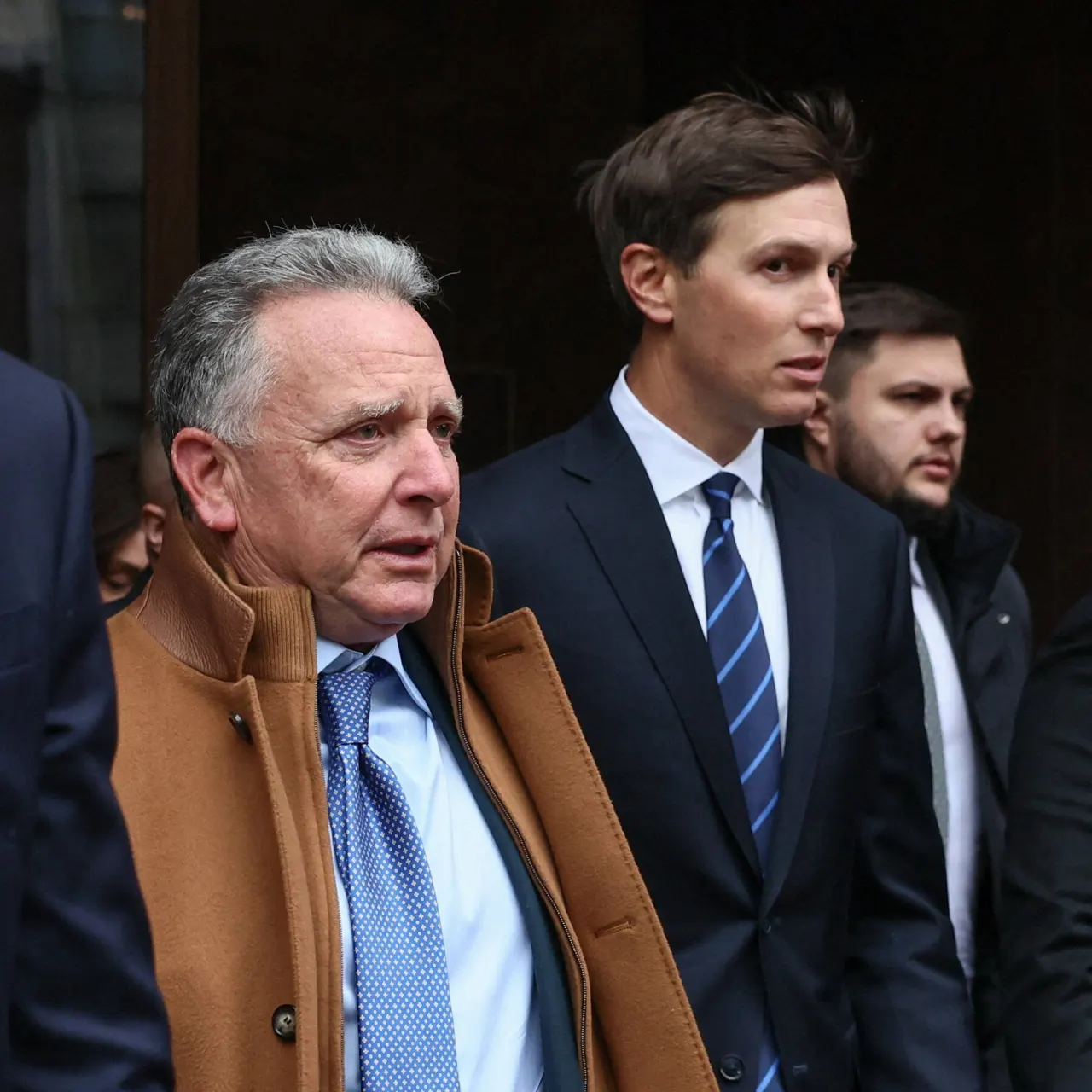
President Trump’s envoys are trying to bring Russia and European countries into agreement on postwar security arrangements, which they see as a possible path towards ending the war in Ukraine. The effort faces deep Russian hostility towards Europe and European suspicion of Moscow, leaving the chances of an agreement uncertain.
At a meeting in the Kremlin, Vladimir Putin questioned whether Europe wanted peace and cited Russia’s disputed claim that European countries derailed 2022 Istanbul negotiations. US envoys Jared Kushner and Steve Witkoff defended Europe’s role and are due to meet an eight-member European negotiating team in Berlin. Russia has called for NATO to reduce its presence on its eastern flank; its officials say Europe must make substantial changes before joining talks. Senator Tom Cotton criticised continued negotiations, while Kushner said practical compromises would be needed.
In short
- US envoys are trying to bring Russia and Europe towards a security deal.
- Russia has demanded a reduction in NATO’s presence.
- Deep mistrust leaves Europe’s role in talks uncertain.
Steelman: both sides, in good faith
The strongest fair case each way — we don't pick a winner.
The case for
Supporters of bringing Russia and European countries into negotiations argue that any durable end to the war needs security arrangements that address the concerns of all parties able to shape events. Continued talks could clarify where compromise is possible, reduce the risk of renewed fighting and give Europe a direct role in arrangements that affect its security.
The case against
Sceptics argue that negotiations risk rewarding Russian demands and weakening European security if Moscow’s hostility and actions are not matched by credible commitments. They may also see talks as premature while the sides remain far apart, and fear that concessions such as reducing NATO’s eastern presence could make future coercion more likely.
Explained simply
Russia launched its full-scale invasion of Ukraine in 2022, and the war has involved Ukraine, Russia and countries that support Ukraine, including the United States and European governments. Any settlement would need to address both the fighting and what security arrangements could reduce the risk of renewed conflict.
Russia is led by President Vladimir Putin, while Ukraine is led by President Volodymyr Zelensky. The United States has sought to broker talks, and European countries have a direct interest in Ukraine’s security and in relations with Russia. NATO, the military alliance that includes the US and many European countries, is also central to disputes over security in the region.
The sides have sharply different views of Europe’s role and of how security should be organised after the war. Those disagreements matter because any lasting agreement would affect Ukraine, Russia and the wider European security system.
Europe Government Politics World