Ukraine’s chief prosecutor resigns over call centre corruption scandal
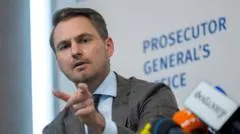
Ukraine's chief prosecutor, Ruslan Kravchenko, has resigned following allegations that a corruption network operated within his office, protecting illegal call centres that ran phone scams. The resignation comes after anti-corruption investigators searched his offices over the weekend and identified a money-laundering scheme, adding to a string of corruption scandals that have dogged President Volodymyr Zelensky's administration throughout the war with Russia and raised concerns among Ukraine's European partners.
Ukraine's National Anti-Corruption Bureau (Nabu) and Specialised Anti-Corruption Prosecutor's Office (Sap) said the network received payments to shield the call centres and laundered millions of dollars in assets, which were then used to buy property and jewellery. Kravchenko denied the allegations as "completely unsubstantiated" but resigned a day later, saying he did not want his position exploited for "political confrontation". The case follows other recent scandals, including a $3m bail-related scheme uncovered last month, and comes after 2025 protests forced Zelensky to reverse attempts to curb Nabu and Sap's independence amid warnings from G7 ambassadors about risks to Ukraine's EU membership bid.
In short
- Ukraine's chief prosecutor resigns amid call-centre corruption allegations
- Anti-corruption bodies found money laundering scheme in his office
- Adds to string of scandals surrounding Zelensky's inner circle
Steelman: both sides, in good faith
The strongest fair case each way — we don't pick a winner.
The case for
Supporters of a forceful investigation would argue that allegations of prosecutors taking payments to protect scam operations strike at the rule of law and public trust, making a thorough, independent inquiry essential. Kravchenko’s resignation may help prevent his office from being seen as obstructing that inquiry, while showing European partners that Ukraine is willing to address corruption even during wartime.
The case against
A cautious view would stress that the allegations remain unproven and that a resignation prompted by a high-profile investigation can invite public judgement before evidence is tested. Kravchenko said the claims were unsubstantiated and warned against his position being used for political confrontation; due process therefore requires investigators to establish individual responsibility without treating resignation as proof of guilt.
Explained simply
Ukraine's chief prosecutor is a senior official responsible for overseeing criminal prosecutions across the country, and the role sits alongside two dedicated anti-corruption bodies, Nabu and Sap, which were set up to investigate graft independently of the government. Anti-corruption investigators allege that a network inside the prosecutor's office took payments to protect illegal call centres running phone scams, and laundered the proceeds into property and jewellery. The prosecutor, Ruslan Kravchenko, denies wrongdoing but has stepped down.
This matters because Ukraine has faced repeated corruption scandals during its war with Russia, and its Western backers, including the European Union and G7 countries, have made anti-corruption reform a condition of financial support and EU membership prospects. Tension between President Volodymyr Zelensky's government and the independent anti-corruption agencies has been a recurring flashpoint, most notably in 2025 when public protests forced him to reverse a law that would have curbed their powers.
Against that backdrop, a corruption case reaching into the chief prosecutor's own office is significant, as it raises fresh questions about how well Ukraine's institutions can police themselves while relying heavily on international support during wartime.