World news and discussion on TalkFuse.
UN report says global warming will surpass the goal of 1.5 degrees Celsius
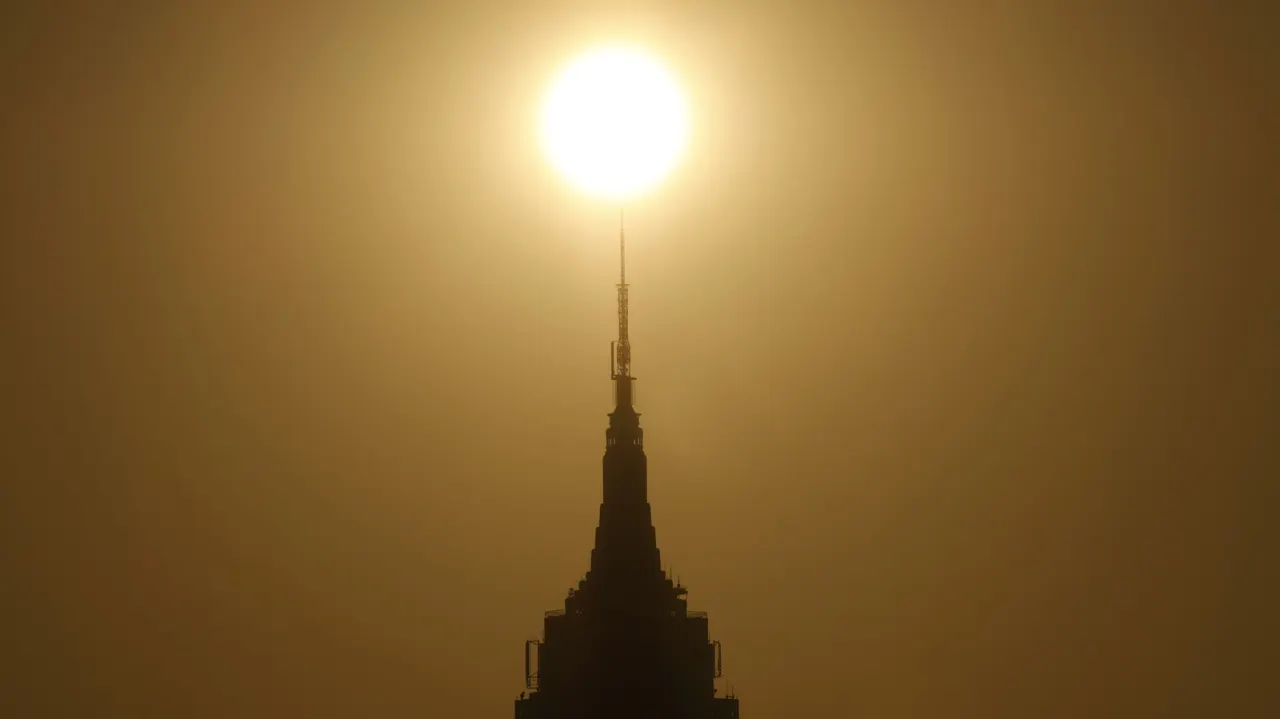
A new United Nations Environment Programme (UNEP) report concludes that global warming will exceed the 1.5°C limit set by the Paris Agreement, marking a significant shift in tone from previous UN messaging. Rather than outlining how to avoid crossing this threshold, the report focuses on strategies to minimise how far and how long temperatures remain above it, reflecting the scale of the gap between current climate action and what is needed to prevent further warming.
The report, titled Limiting Overshoot, proposes an "overshoot, peak and decline" strategy requiring nations to both eliminate greenhouse gas emissions and remove substantial amounts of carbon dioxide from the atmosphere, with the latter treated as an additional measure rather than a substitute for net-zero targets. UNEP Executive Director Inger Andersen warned that even brief periods above 1.5°C could bring severe and lasting consequences, urging countries to intensify climate action and adaptation efforts. The report's shift in focus comes as both the US and EU governments have relaxed greenhouse gas emissions restrictions this year.
In short
- UN report says the world will exceed the 1.5°C warming limit
- Focus shifts to minimising time spent above that threshold
- US and EU have both loosened emissions rules this year
Explained simply
The Paris Agreement is a global climate pact adopted in 2015. Its countries agreed to hold the rise in average global temperatures well below 2°C above pre-industrial levels and to pursue efforts to limit it to 1.5°C.
The United Nations Environment Programme (UNEP) assesses climate action and its effects. Its executive director, Inger Andersen, has warned that passing 1.5°C, even temporarily, could cause lasting harm. Governments set policies to cut emissions, while scientists also study ways to remove carbon dioxide from the air.
The temperature limit matters because every additional rise increases risks to people and nature, though effects vary by place. The debate concerns how quickly countries can reduce emissions and whether carbon removal can help bring temperatures down after they rise above the target.
Americas Climate Football Geopolitics Politics Research Science Sport World