Business news and discussion on TalkFuse.
Unemployment to surpass 5% and ‘things will get a bit harder’, treasurer Jim Chalmers warns
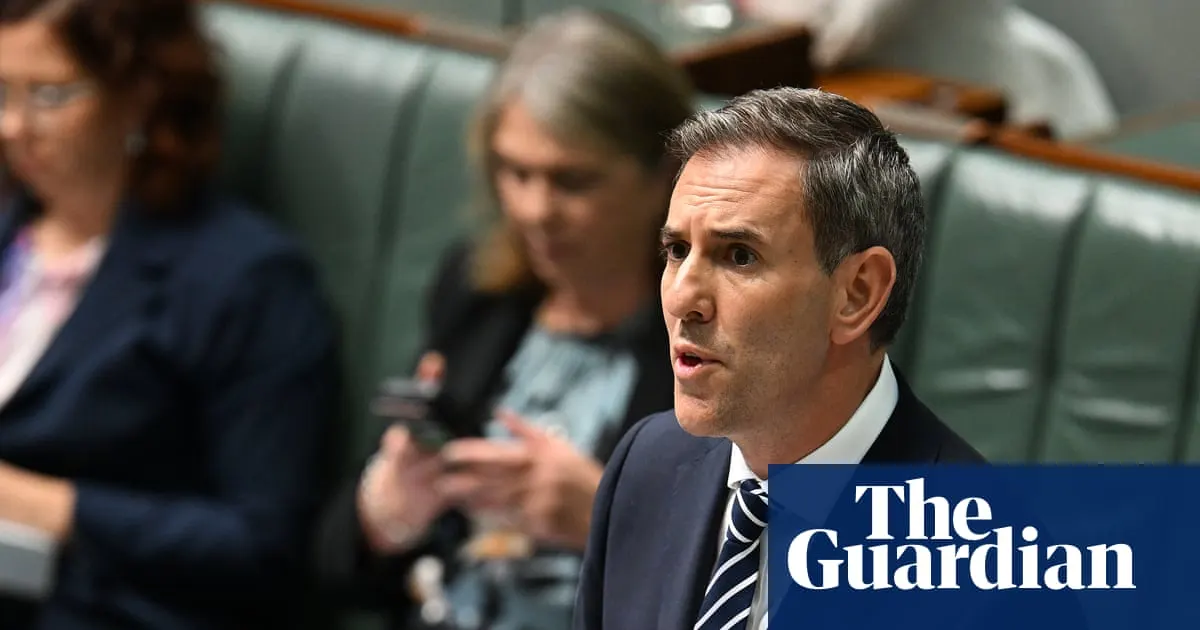
Treasurer Jim Chalmers has warned that Australia’s economy is likely to weaken, with unemployment expected to rise above 5% and annual growth to fall below 2% in both 2027 and 2028. He said conditions may become harder before improving, as the government prepares its mid-year budget update and economists warn that recession risks are increasing.
The update is expected to show inflation easing from 4.7% to only the mid-3% range by the middle of next year, higher than forecast in May, partly because of fuel costs. Chalmers said the government would include net savings to help contain inflation and offset new spending, while avoiding cuts that could undermine services or growth. AMP chief economist Shane Oliver forecast growth could fall from 2.3% to below 1% and put the chance of a more severe downturn at 40%.
In short
- Unemployment is forecast to rise above 5%.
- Growth is expected to stay below 2% in 2027 and 2028.
- Economists warn recession risks are rising.
Steelman: both sides, in good faith
The strongest fair case each way — we don't pick a winner.
The case for
The government can argue that worsening global and domestic conditions make a rise in unemployment and weaker growth difficult to avoid, while targeted net savings can help contain inflation without cutting services or investment that support recovery. On this view, the budget should cushion households and preserve the foundations for growth rather than pursue savings that deepen the slowdown.
The case against
Critics can argue that forecasts of higher inflation and sharply weaker growth point to a need for firmer spending restraint, since new outlays may add to price pressures and prolong high interest rates. They may also question whether the government’s planned savings will be sufficient, and argue that delaying tougher choices could leave households facing a longer downturn and rising unemployment.
Explained simply
Australia’s federal treasurer, Jim Chalmers, helps set the government’s budget and economic policy. The budget update is a revised picture of expected growth, inflation and public spending, and can show how conditions have changed since earlier forecasts.
Unemployment measures the share of people who are looking for work but cannot find a job; economic growth tracks how much the country produces. Inflation is the pace at which prices rise, so changes in fuel costs can affect household budgets and the outlook for interest rates.
The government’s choices matter because efforts to reduce inflation, such as saving money or limiting spending, can also affect public services and economic activity. Economists including AMP’s Shane Oliver offer independent forecasts, which help frame the risks but are not government predictions.
Business Economy Government Politics Software Technology World