Culture news and discussion on TalkFuse.
Upset diner baffled by surprise tip on her $300 bill — and blames the restaurant for a misleading menu
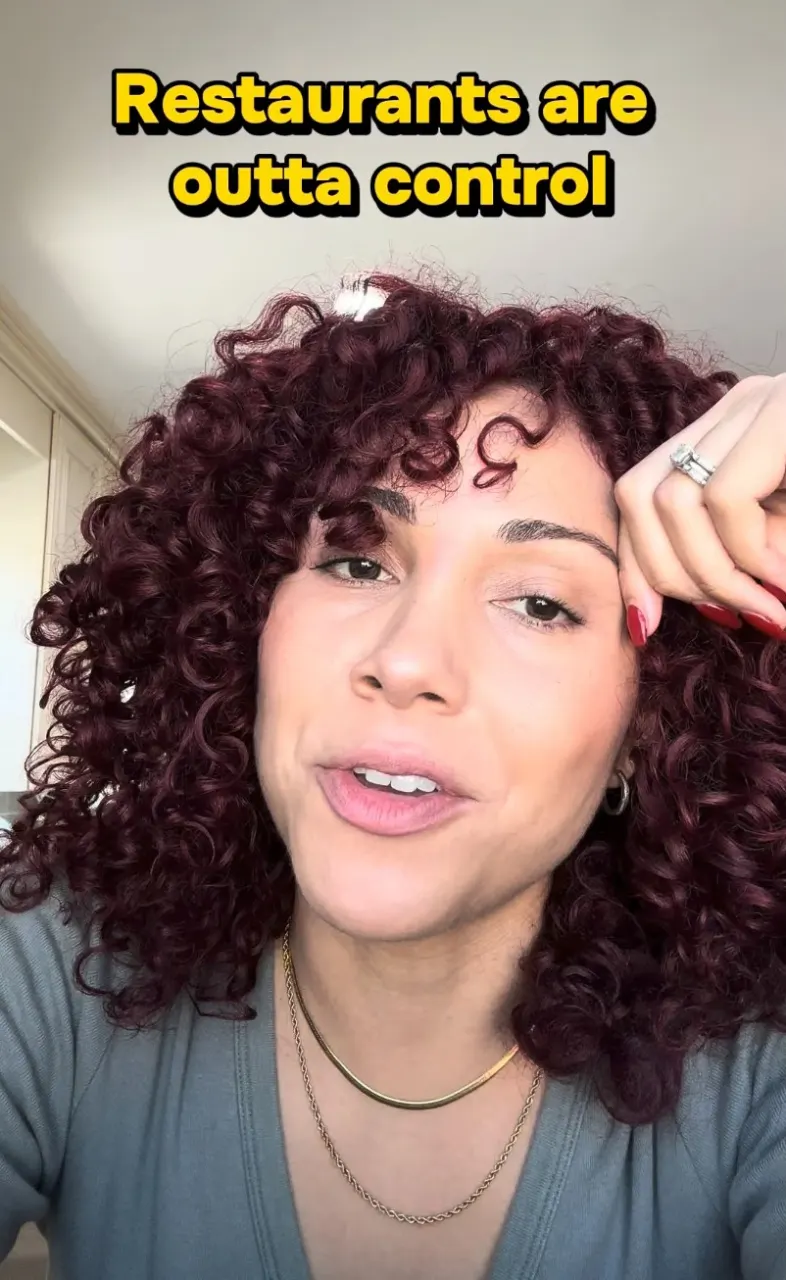
A New Jersey family challenged an 18% automatic gratuity added to a bill of more than $300, saying the restaurant’s menu stated that the charge applied to parties of six or more. The family had five people, including two children, and the mother said the menu did not disclose a separate rule for bills over $200.
The family paid the charge, but Vanessa Cruz said her objection was to the restaurant applying a policy that she believed had not been advertised. An etiquette expert said automatic gratuities are not inherently rude, but surprising customers with them is; he advised raising disputes with management rather than servers. Restaurant consultant Izzy Kharasch said 20% is now common for basic or good sit-down service, while expectations and extra charges are fuelling frustration over tipping.
In short
- A family of five was charged an automatic 18% gratuity.
- The diner said the menu only mentioned parties of six or more.
- Experts cite unclear policies and growing tipping fatigue.
Steelman: both sides, in good faith
The strongest fair case each way — we don't pick a winner.
The case for
The restaurant can argue that an automatic gratuity helps ensure staff are paid for serving a large, high-value table, and that a clearly stated charge can make tipping expectations predictable. A bill-based threshold may also be a practical way to apply the policy consistently, regardless of party size.
The case against
Customers can argue that they should be told plainly about any mandatory charge before ordering, especially when the menu appears to limit it to parties of six or more. Applying an undisclosed bill-based rule to a family of five makes the charge feel unexpected and undermines trust, even if the family ultimately pays it.