World news and discussion on TalkFuse.
US air travel largely returns to normal as funding flight brews
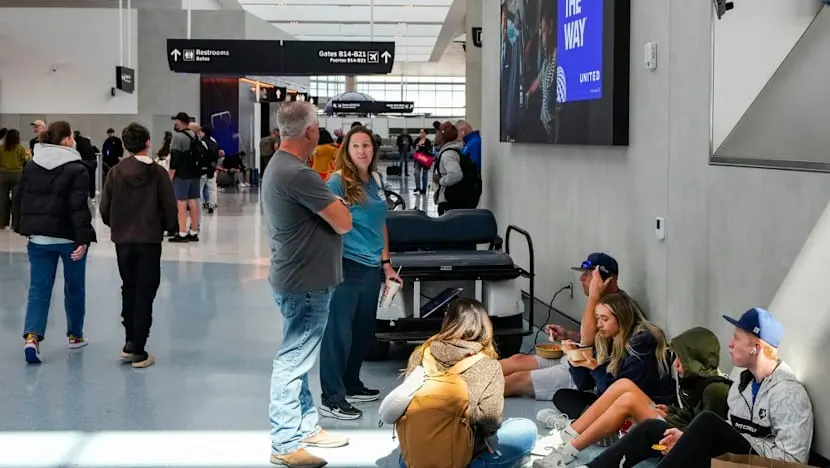
US air travel largely returned to normal on Monday after a major communications disruption caused widespread cancellations and delays. The disruption halted nearly all US air traffic for more than four hours on Friday, and the resulting backlog affected passengers and airlines across the country.
More than 18,000 flights were cancelled and nearly 28,000 delayed over three days. By 9am ET on Monday, FlightAware reported 300 cancellations and 1,500 delays, down from more than 2,300 and 11,000 respectively on Sunday. The four largest US airlines face an estimated US$345 million earnings hit; officials are calling for up to US$50 billion to modernise ageing air traffic systems, while Democrats seek hearings into the disruption.
In short
- US flights returned largely to normal after a three-day disruption.
- More than 18,000 flights were cancelled and nearly 28,000 delayed.
- Officials are seeking major investment to modernise ageing air traffic systems.
Steelman: both sides, in good faith
The strongest fair case each way — we don't pick a winner.
The case for
The disruption exposed how ageing air traffic systems can impose major costs on passengers, airlines and the wider economy, strengthening the case for substantial investment in modernisation. Supporters of prompt funding argue that reliable infrastructure is essential to safety and resilience, and that delaying upgrades risks further disruption and greater costs.
The case against
A costly modernisation programme should be supported by a clear account of what failed, which upgrades are needed and how the money will be spent. Those urging scrutiny first can argue that hearings and independent assessment would help target investment effectively, establish accountability and avoid committing public funds to an expensive plan before its benefits are demonstrated.
Explained simply
US air traffic control is managed by the Federal Aviation Administration (FAA), a government agency responsible for keeping aircraft safely separated and coordinating their routes. Its systems handle communications between pilots and controllers, as well as information used to manage flights across the country.
The FAA relies on a mix of older and newer technology, and modernising its systems has been a long-running issue for government and aviation officials. Airlines, which run the flights and carry passengers, can face substantial costs when disruption forces them to cancel or delay services.
The episode has raised questions about the resilience of the air traffic system and how it should be funded and overseen. Calls for investment and for congressional hearings involve decisions about public spending and scrutiny of the agency’s work.