US intel warns Russia could launch limited attack on NATO ally in effort to fragment organization: report
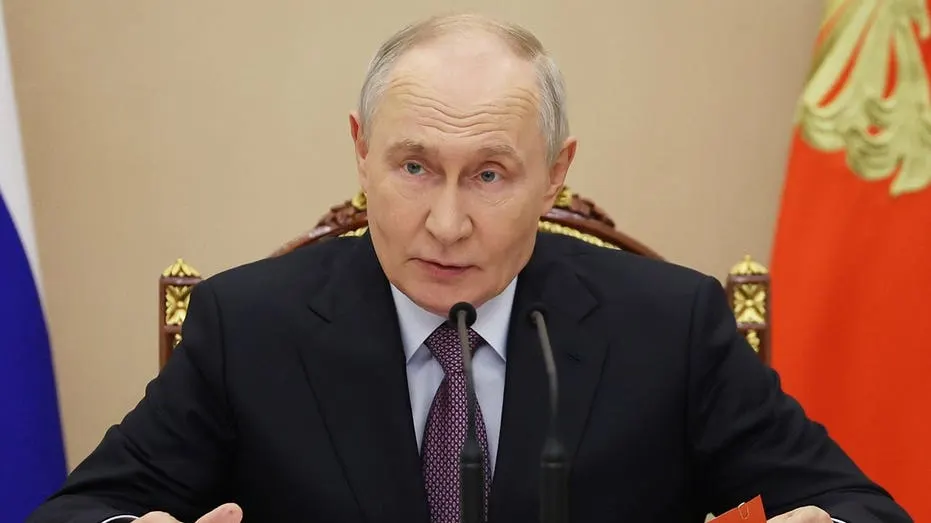
US intelligence reportedly assesses that President Vladimir Putin could launch a limited attack on a NATO member within the next few years, seeking to test the alliance’s collective-defence commitment and weaken its unity. Such an attack would matter because NATO’s Article 5 treats an attack on one member as an attack on all, raising the risk of a wider confrontation between Russia and the alliance.
The report says Moscow’s objective could be to fragment the post-war organisation rather than begin an immediate large-scale war. Former CIA station chief Dan Hoffman said Russia’s threats to Europe underline the importance of NATO unity and intelligence-sharing while the war in Ukraine continues.
In short
- US intelligence reportedly fears Russia could test NATO’s unity.
- A limited attack could trigger Article 5 obligations.
- NATO cohesion remains central amid the Ukraine war.
Steelman: both sides, in good faith
The strongest fair case each way — we don't pick a winner.
The case for
Proponents of taking this intelligence seriously note that Russia has repeatedly demonstrated willingness to use military force and test international boundaries—from Georgia to Crimea to Ukraine. A limited attack on a NATO member, designed to probe Article 5's credibility rather than provoke all-out war, represents a plausible Russian strategy if Moscow believes it can exploit any fractures in alliance unity. Intelligence agencies with deep insight into Russian strategic thinking warrant serious attention, and responsible preparation for such scenarios strengthens deterrence without escalation.
The case against
Those sceptical of this assessment contend that Russia directly attacking NATO would be strategically self-defeating given its current military overstretch in Ukraine and NATO's overwhelming combined military advantage. Any attack on a NATO member, however limited, would trigger Article 5 and unite—not divide—the alliance, making such an action unlikely to achieve Russia's stated objectives. Intelligence agencies may err on the side of caution, and framing remote scenarios as imminent threats risks generating disproportionate responses and military spending driven more by institutional incentives than genuine strategic necessity.
Explained simply
NATO is a security alliance formed after the Second World War. Its members, including the United States and many European countries, have agreed under Article 5 that an armed attack on one member will be treated as an attack on all.
Russia’s president, Vladimir Putin, leads a country at war with Ukraine, which is not a NATO member. The reported assessment concerns the possibility of a limited attack on an alliance member in the coming years, intended to test whether its members would act together.
A dispute over how to respond could strain NATO’s unity and raise the risk of a wider confrontation. Former CIA station chief Dan Hoffman has pointed to the role of intelligence-sharing as the war in Ukraine continues.
Americas Europe Geopolitics Politics World