World news and discussion on TalkFuse.
Democrats seize Congress as midterms weaken Trump’s grip on Republicans
Developing story first seen 2 hours ago
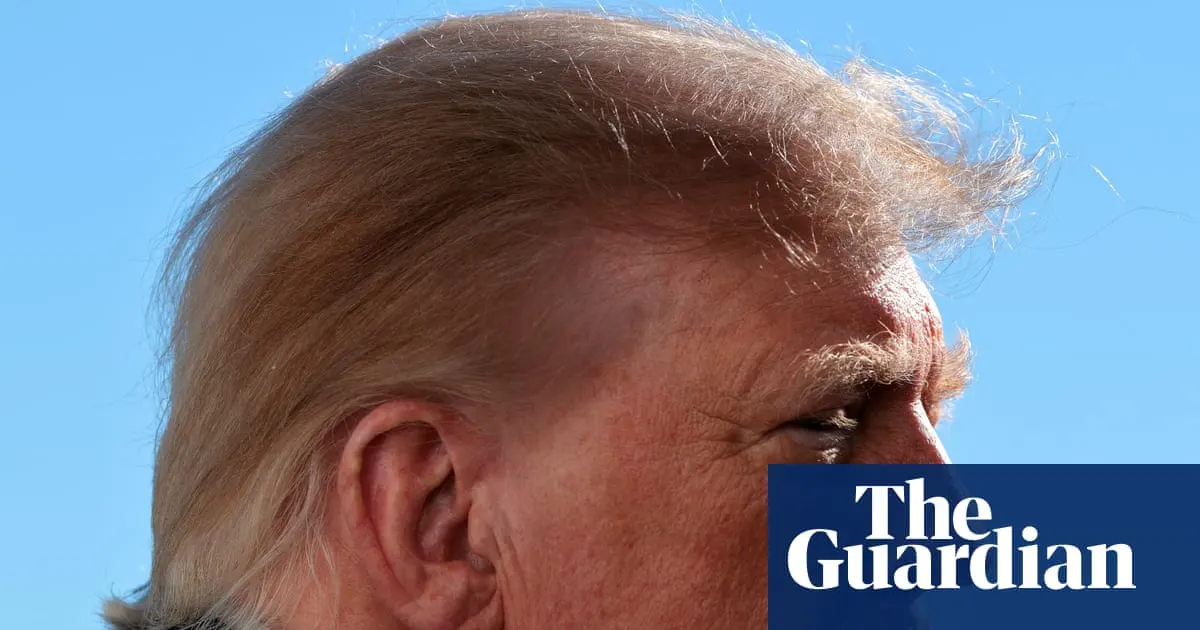
New coverage focuses on how the election result could weaken Donald Trump’s hold over Republicans as well as constrain his presidency. Democrats’ gains give them control of both chambers of Congress from January, allowing them to block legislation, investigate his administration and impede appointments.
Democrats won Senate seats in Kansas, Texas and South Carolina for the first time since 1932, 1988 and 1998 respectively. Voters named the cost of living and government corruption as top concerns; the article links Trump’s tariffs and personal projects to the party’s losses. Trump may still pursue foreign policy and other priorities unilaterally, while attention shifts to possible Republican successors including JD Vance and Marco Rubio.
- Sources
- 2
- Outlets
- 2
- Left · Centre · Right
- 1 · 0 · 0
In short
- Democrats’ midterm wins put both chambers of Congress under their control.
- The result may weaken Trump’s influence over Republicans.
- Cost of living and corruption were top voter concerns.
How this story developed
- 46 minutes ago US voters delivered a major rebuke to Donald Trump’s party in the midterm elections, flipping control of both the House and Senate to Democrats.
- 49 minutes ago New coverage focuses on how the election result could weaken Donald Trump’s hold over Republicans as well as constrain his presidency. Democrats’ gains give them control of both chambers of Congress from January, allowing them to block legislation, investigate his administration and impede appointments.
Full account
Democrats have taken control of both chambers of Congress in a major setback for President Donald Trump and his Republican Party. The result gives Democrats a stronger hand to block legislation, investigate the administration and challenge government appointments. It also signals that Trump’s influence did not protect Republican candidates from voter dissatisfaction with his record.
The first report presents the result as an unusually broad political reversal and a blow to Trump’s standing within his party. It points to Democratic gains in traditionally Republican states and links the losses to voters’ concerns about living costs and corruption. It also highlights Trump’s prominent role in campaigning, his controversial remarks and the contrast between his wealth and voters’ financial pressures. From January, it argues, the new congressional balance could leave Trump facing investigations, legislative obstruction and the possibility of another impeachment effort.
The second report focuses on the international consequences, particularly the war in Ukraine. The Kremlin said it hoped Trump would continue trying to broker peace, while describing the election as an internal US matter. The report says the effect of the Democratic majority on policy towards Russia and Ukraine is not yet clear, though Democrats may seek to constrain the administration’s conduct of the Iran war. It also notes that US-backed negotiations remain difficult, with Russia and Ukraine divided over territory and post-war security.
The shift in Congress is likely to make it harder for Trump to advance his domestic and foreign policy agenda, but it does not by itself determine what the administration will do or how negotiations abroad will develop. The reports offer different emphases: one treats the outcome chiefly as a crisis for Trump’s political authority and the Republican Party; the other gives more attention to Moscow’s response and the uncertain prospects for diplomacy. Both describe a serious defeat for Republicans, while the international report is more cautious about what it means for policy.
Where outlets differ
From the full account, which is AI-written from the sources:
The first report concentrates on domestic politics, Trump’s campaign and the possible consequences of Democratic control, including investigations and impeachment. The second centres on Russia’s reaction and the Ukraine negotiations, and says the impact on US policy towards the conflict remains uncertain.
The first frames the result as a sharp weakening of Trump’s grip on his party and political position. The second describes a devastating Republican defeat but focuses less on internal party consequences and more on whether Trump’s diplomatic efforts will continue.
Coverage · 2 sources
Americas Elections Politics Software Technology World
Read the full article at the source →
Originally published by The Guardian as “US midterms voters said: enough is enough. Is this the beginning of the end for Trump?”.