World news and discussion on TalkFuse.
US moves to drop frog embryo smuggling charges against Harvard scientist
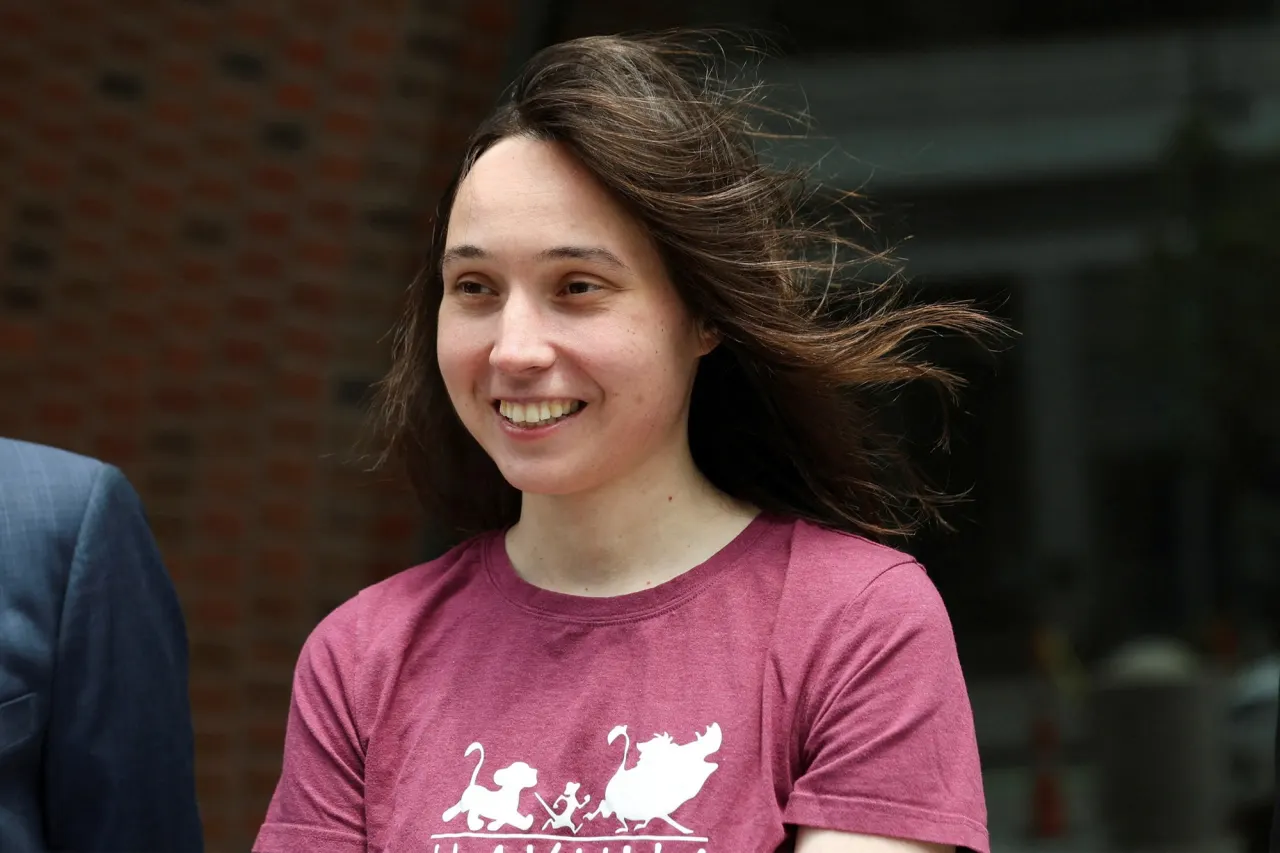
US prosecutors have moved to drop criminal charges against Kseniia Petrova, a Russian-born Harvard scientist accused of smuggling frog embryos into the United States. The case is significant because Petrova argued that she was selectively and vindictively prosecuted after challenging immigration proceedings against her.
Prosecutors said they considered her claims meritless but that continuing the case after a judge ordered access to government records would divert resources from more substantial federal interests. Petrova was detained at Boston airport in February 2025 after her visa was revoked, then charged with smuggling and making a false statement over embryos in her luggage; she pleaded not guilty and said her boss had asked her to bring the samples for research. A judge ruled in April that her visa had been unlawfully cancelled, and last month found she had presented enough evidence to seek records supporting her selective-prosecution claim.
In short
- Prosecutors moved to dismiss charges against Harvard scientist Kseniia Petrova.
- She was accused of bringing undeclared frog embryos into the US.
- Judges had backed challenges to her visa cancellation and prosecution.
Steelman: both sides, in good faith
The strongest fair case each way — we don't pick a winner.
The case for
Dropping the charges can be defended as a prudent use of prosecutorial resources: officials said the case would divert attention from more substantial federal interests, and ending it avoids a costly dispute over access to government records. The government also maintains that Petrova’s claims of selective prosecution are meritless, so withdrawal need not be taken as an admission of wrongdoing.
The case against
Continuing the case could be defended on the grounds that allegations of smuggling and making a false statement should be resolved through the ordinary legal process, especially after Petrova pleaded not guilty. A fair-minded advocate might also argue that dropping charges once a judge has allowed her to seek records risks leaving legitimate questions about the prosecution unanswered and may weaken confidence that immigration-related cases are handled consistently.