World news and discussion on TalkFuse.
USDA boss Brooke Rollins barred from sending Christian messages to federal workers
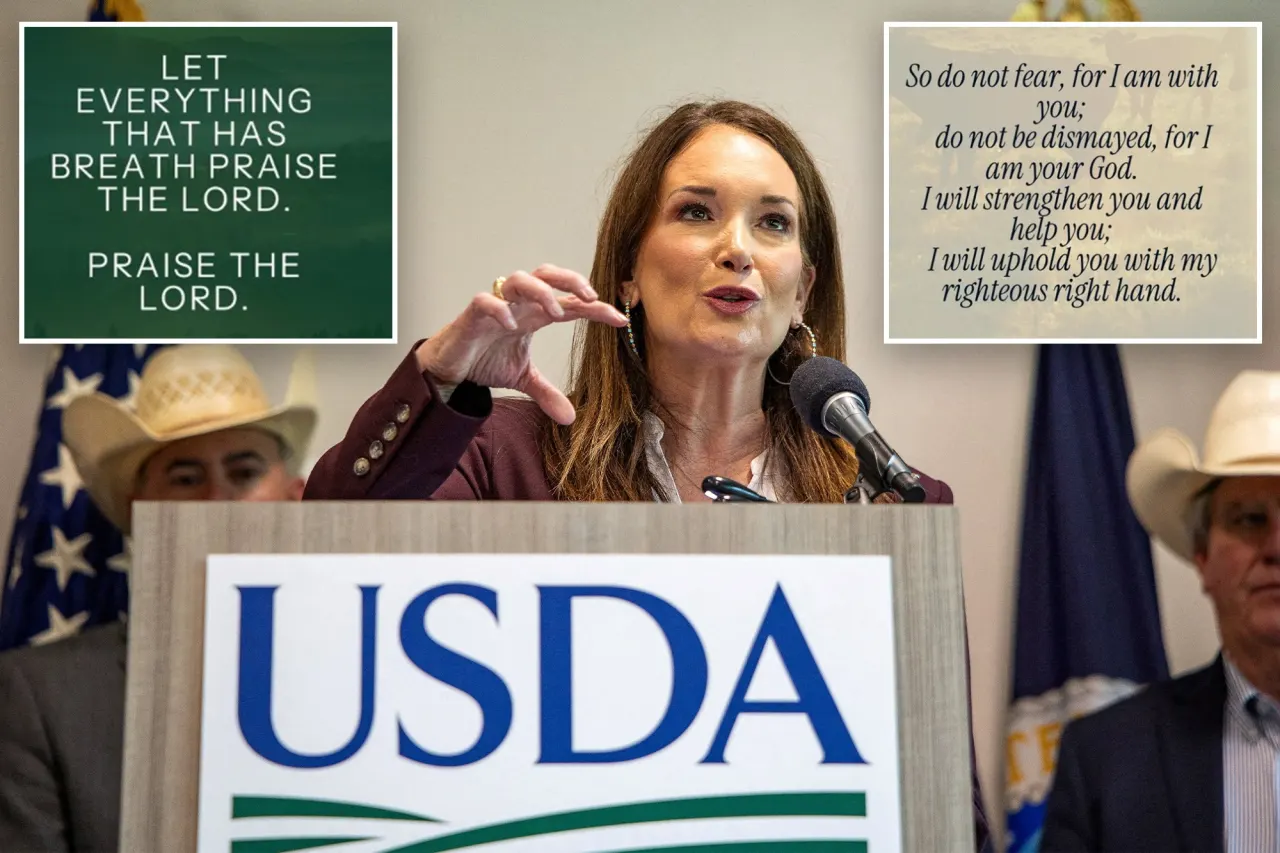
A federal judge has ordered Agriculture Secretary Brooke Rollins to stop sending Christian messages and Scripture to USDA employees through official department channels, ruling that the practice violated the First Amendment. The decision matters because the messages, sent by a senior official to staff, could pressure workers to share her beliefs or hide their own.
Rollins’ communications included an Easter email celebrating Jesus’s resurrection and a Christmas video describing Jesus as the Saviour. Judge Trina Thompson said Rollins’ use of words such as “we” and “our”, alongside the absence of comparable messages for other religious holidays, implied Christianity was a shared belief. Seven USDA employees and a federal workers’ union brought the case; the injunction still allows Rollins to discuss her faith privately, subject to workplace rules. The USDA said it was considering an appeal.
In short
- Judge bars Christian messages to USDA staff through official channels.
- Seven workers and a union sued over alleged religious pressure.
- Rollins may discuss her faith privately, subject to workplace rules.
Steelman: both sides, in good faith
The strongest fair case each way — we don't pick a winner.
The case for
The ruling protects employees from feeling that religious conformity is expected when a senior official uses official channels to present Christianity as a shared belief. Government communications should treat staff of different faiths, and those with none, even-handedly; the absence of comparable messages for other religious holidays supports the concern that the messages crossed that line.
The case against
A senior official may argue that brief holiday messages express sincere personal faith and offer comfort to Christian employees, without intending to pressure anyone. Restricting such messages through official channels could be seen as an unnecessary limit on religious expression, particularly if neutral rules could permit inclusive messages while making clear that employees are not expected to share the sender’s beliefs.