Van Orden faces Cooke in rematch for battleground Wisconsin House seat
Developed over time first seen 2 months ago
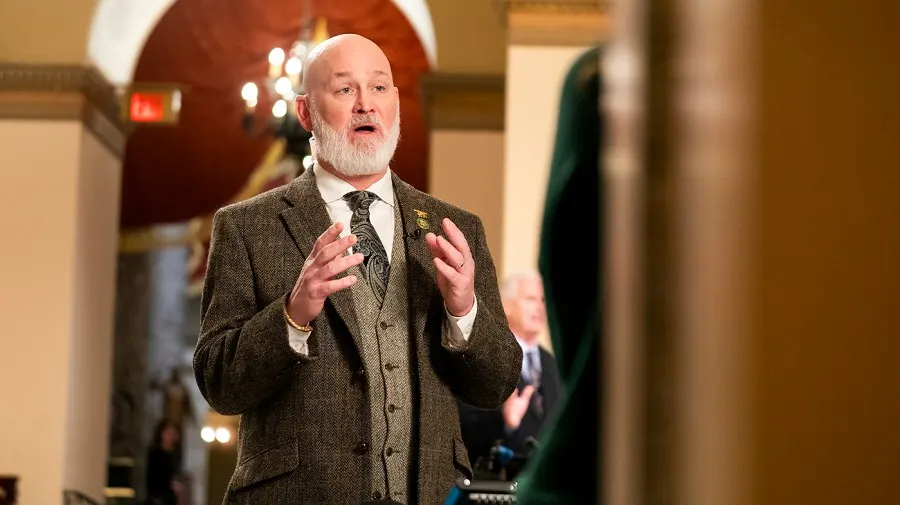
Republican Representative Derrick Van Orden will face Democrat Rebecca Cooke again in Wisconsin’s 3rd Congressional District after Cooke won the Democratic primary, setting up a closely watched rematch. The seat is a leading Democratic target in the midterm elections, with the outcome potentially affecting the Republican Party’s narrow House majority.
Cooke defeated former Eau Claire City Council President Emily Berge in the primary. Raised on a dairy farm near Eau Claire, Cooke has worked as a waitress, small-business owner and non-profit founder; she previously lost to Van Orden and has faced scrutiny over reversing her initial opposition to a federal conversion therapy ban.
- Cooke won Wisconsin’s 3rd District Democratic primary.
- She will rematch Republican Representative Derrick Van Orden.
- The race could influence control of the House.
New here? Start with this
Wisconsin's 3rd Congressional District, covering the western part of the state, has become one of the most competitive seats in Congress. Republican Derrick Van Orden currently holds the seat and is being challenged again by Democrat Rebecca Cooke, after the pair faced off in a previous election. The district's swing-state character means the race regularly draws national attention and money.
Cooke, who has a background as a waitress, small-business owner and nonprofit founder from a farming family near Eau Claire, secured her party's nomination by beating a rival Democrat in the primary. Van Orden is a first-term-plus incumbent seeking to hold the seat for the Republicans.
The outcome matters beyond Wisconsin because control of the House of Representatives is decided seat by seat, and both parties see this district as one that could help determine which party holds the majority after the midterm elections.
Both sides, in good faith
The strongest fair case each way — we don't pick a winner.
The case for
Supporters of Cooke's revised position argue that reconsidering a stance in light of new evidence or deeper reflection is a mark of political maturity rather than weakness, noting that understanding of the harms associated with conversion therapy has grown among medical and psychological professionals in recent years. They see her shift as a genuine response to constituents, mental health experts and advocacy groups rather than mere calculation, and would argue that a single evolving position should not overshadow her broader biography as a dairy farmer's daughter, waitress and small-business owner who understands the everyday concerns of the district. From this view, voters ought to welcome candidates willing to update their thinking rather than cling rigidly to earlier statements for consistency's sake.
The case against
Critics, including Van Orden's campaign, counter that the timing of Cooke's reversal looks less like principled evolution and more like political convenience, arriving as she sought to consolidate support among Democratic primary voters in a closely watched battleground race. They argue voters deserve clarity and consistency from candidates on contested social policy questions, and that a position that shifts under electoral pressure reasonably invites doubt about where a candidate will actually stand once in office. For them, the episode exemplifies a broader concern that candidates tailor their views to whichever audience they are addressing rather than holding to a stable, principled platform.