Technology news and discussion on TalkFuse.
Viking 1 landed on Mars 50 years ago
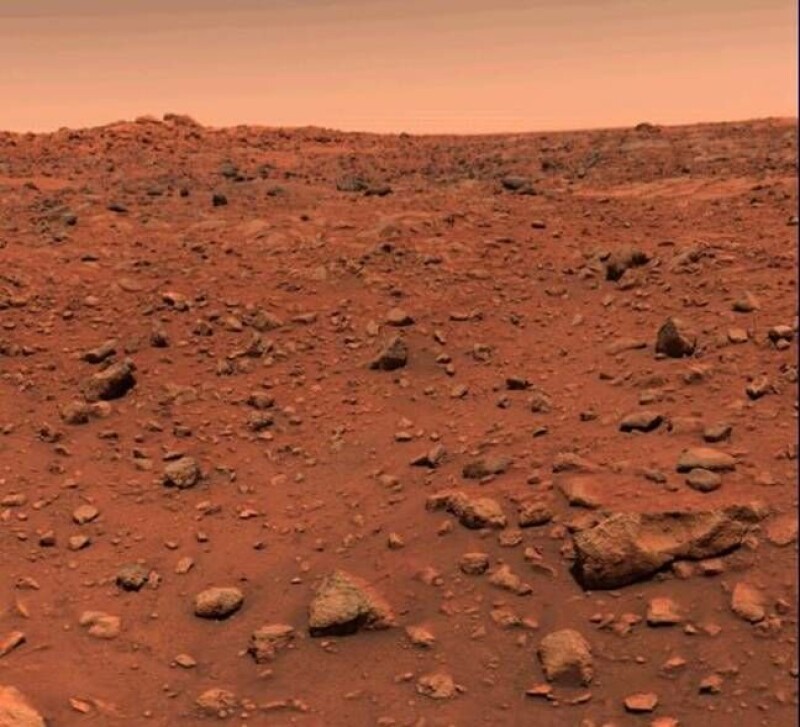
Half a century ago, on 20 July 1976, NASA's Viking 1 lander touched down on Mars, becoming part of one of the most expensive robotic missions the agency has ever undertaken. The mission marked a landmark moment in planetary exploration, delivering the first close-up analysis of Martian soil and striking images of the surface, and its lander far outlasted its planned lifespan, ultimately being felled not by hardware failure but by human error.
Launched on 20 August 1975, Viking 1 entered Mars orbit on 19 June 1976, with landing originally planned for 4 July to mark the US Bicentennial before safety concerns pushed it back to the Apollo 11 anniversary instead. The lander touched down on Chryse Planitia, conducted the first sampling of Martian soil via its robotic arm and biological laboratory, and was kept running well beyond its 90-day mission by a plutonium-powered generator. It continued transmitting until November 1982, when engineers, trying to prolong its ageing batteries with a new charging sequence, accidentally overwrote the memory locations controlling its high-gain antenna, silencing the lander for good.
In short
- Viking 1 landed on Mars 50 years ago, on 20 July 1976
- It outlived its 90-day mission by over six years
- A 1982 software error wiped its antenna data, ending contact
Explained simply
Viking 1 was a robotic spacecraft NASA sent to Mars in 1975, landing on the Martian surface on 20 July 1976. This was a landmark moment in space exploration, as it was the first mission to provide detailed photographs and analyse Martian soil up close.
The lander was equipped with a robotic arm and scientific instruments designed to search for signs of life in the soil and study the planet's environment. It was only meant to operate for 90 days, but a plutonium-powered generator kept it running and transmitting data for over six years.
The mission finally ended in 1982 when NASA engineers, attempting to preserve the lander's aging power systems, accidentally erased critical software controlling its antenna. Despite this unexpected end, Viking 1 had already accomplished its main scientific goals and contributed to humanity's understanding of Mars.