Vingegaard out of Tour after spectator crash as Evenepoel wins
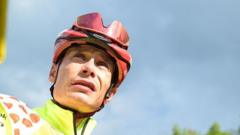
Jonas Vingegaard's Tour de France ended on stage 15 after a crash caused by a spectator seated near a corner, leaving him with a broken collarbone that will require surgery. The incident overshadowed a stage win for Remco Evenepoel, who used his post-race platform to condemn the "inhuman" practice of waking riders for middle-of-the-night doping tests, a criticism echoed by race leader Tadej Pogacar, who suggested disrupted sleep may have contributed to Vingegaard's crash.
Vingegaard, 29, was woken at 02:00 and Pogacar at 05:00 for anti-doping controls before the stage; Vingegaard later lost control on a tight bend, triggering a pile-up that sent riders including Isaac del Toro into spectators, one of whom was a seated woman with crutches. The International Testing Agency defended the timing as sometimes necessary "in limited and justified circumstances". The crash ends a promising comeback for Vingegaard, who had returned to strong form after a serious 2024 crash, while Pogacar remains on course for a record-equalling fifth Tour title.
In short
- Jonas Vingegaard out of Tour de France with broken collarbone, needs surgery
- Crash followed a spectator-related pile-up on stage 15
- Evenepoel and Pogacar criticised 2am/5am doping tests before the stage
Steelman: both sides, in good faith
The strongest fair case each way — we don't pick a winner.
The case for
Anti-doping measures are essential to preserve the integrity of professional cycling and fair competition between legitimately trained athletes. The International Testing Agency conducts early morning tests because effective surprise testing requires unpredictability—athletes cannot anticipate the timing and therefore cannot use masking agents or manipulate their physiology. Professional riders accept these requirements as conditions of competing at the highest level, and relaxing protocols would undermine decades of effort to eliminate doping from sport.
The case against
The riders raise genuine concerns about athlete safety and welfare that deserve serious consideration. Sleep disruption measurably impairs performance, reaction time and injury risk, making pre-dawn testing not merely inconvenient but genuinely dangerous. The tragic irony that a doping test may have contributed to the very injury it was meant to prevent suggests the current protocol requires reassessment. Effective anti-doping need not demand such extreme timing; alternative testing schedules could maintain rigour and surprise whilst respecting athletes' basic wellbeing.
Explained simply
The Tour de France is the world's most prestigious cycling race, held over three weeks each year. Jonas Vingegaard, a 29-year-old French cyclist, had been among the leading contenders in this year's event after making a strong comeback from a serious crash in 2024.
During stage 15, Vingegaard lost control on a tight mountain corner and crashed, breaking his collarbone and ending his race prematurely. The accident also involved other riders and spectators who stand alongside the route during the Tour's most challenging stages.
The incident has highlighted concerns about the Tour's anti-doping testing schedule. Vingegaard underwent testing at 02:00 on the morning of the stage, whilst riders including race leader Tadej Pogacar have criticised these middle-of-the-night tests as potentially compromising safety. The International Testing Agency says such early testing is sometimes necessary, though the debate over its timing and impact continues.