Politics news and discussion on TalkFuse.
Virginia Votes To Overturn Lifetime Voting Ban for Felony Offenders
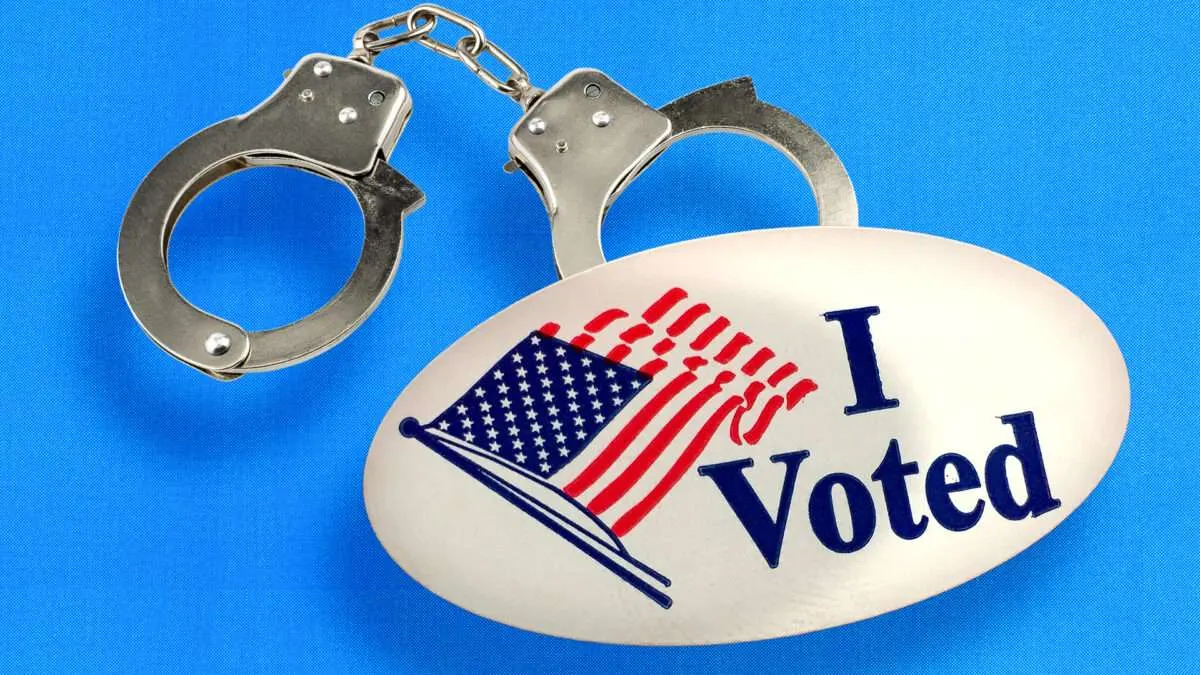
Virginia voters have approved Question 3, a constitutional amendment ending the lifetime voting ban for people convicted of felonies once they leave prison. The change overturns a long-standing restriction that made Virginia an outlier and shifts the restoration of voting rights away from case-by-case decisions by governors.
The measure passed by 56 per cent to 43 per cent and repeals a provision in Virginia’s 1902 constitution. In 2024, The Sentencing Project estimated that more than 250,000 Virginians were unable to vote because of criminal records, including one in 10 Black Virginians. Previous efforts to restore rights through governors’ orders faced legal challenges and policy reversals.
In short
- Virginia approved automatic voting rights after release from prison.
- Question 3 passed by 56 per cent to 43 per cent.
- More than 250,000 Virginians were estimated to be disenfranchised in 2024.
Steelman: both sides, in good faith
The strongest fair case each way — we don't pick a winner.
The case for
Ending the lifetime ban recognises that people who have completed prison sentences should be able to rejoin civic life, and that voting is a basic way to participate in decisions affecting their communities. A consistent constitutional rule also avoids making access to the ballot depend on a governor’s changing policies, while addressing a restriction that has disproportionately excluded Black Virginians.
The case against
Those opposing automatic restoration may argue that voting is a significant civic responsibility and that states can reasonably link its restoration to the completion of a fuller sentence, including any period of supervision. They may also favour case-by-case review as a way to consider individual circumstances and believe a change of this kind should be made by elected officials or through a more gradual process.
Explained simply
Virginia is one of the US states, and its constitution sets rules for elections and voting rights. For many years, people convicted of felonies—serious crimes under US law—could not vote again unless a governor restored their rights.
Governors had made these decisions case by case, and policies changed over time. The restriction affected many Virginians, including a significant share of Black residents, according to estimates published in 2024.
The issue concerns how criminal convictions affect people’s role in elections and whether voting rights should depend on an individual decision by a governor. Virginia’s 1902 constitution contained the lifetime ban.