Vladimir Putin meets Belarus hardman Lukashenko as fears grow of Russian attack on Nato after CIA boss’s warning flight
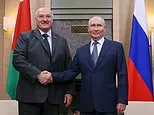
Vladimir Putin met Belarusian president Alexander Lukashenko in Moscow as concern grew over reports that Russia could test Nato’s resolve, potentially near Poland. The meeting was expected to focus on the war in Ukraine, while an unconfirmed visit by CIA director John Ratcliffe to Moscow heightened speculation about behind-the-scenes diplomacy and security warnings.
Reports cited by the article suggest Russian planners may be considering a limited border incident or strikes on infrastructure to pressure Western countries into reducing support for Ukraine, though these claims have not been independently verified. A Russian missile reportedly entered Polish airspace in July, prompting Poland and Nato to activate defences; Nato secretary-general Mark Rutte described it as reckless and linked it to Russia’s war in Ukraine.
- Putin and Lukashenko met amid heightened Nato security concerns.
- CIA chief’s reported Moscow visit fuelled diplomatic speculation.
- Claims of a planned Russian incursion remain unverified.
New here? Start with this
Russia and Belarus are close allies, and Belarus has supported Russia’s war against Ukraine. Belarusian president Alexander Lukashenko has allowed Russian forces to use his country as a base, making his relationship with Vladimir Putin relevant to the wider conflict.
Poland is a member of Nato, a military alliance whose members have pledged to help defend one another if attacked. The war in Ukraine has raised concerns about incidents near Nato territory, where a military clash could involve more countries.
Claims about possible Russian plans to pressure Nato have not been independently verified. Understanding the difference between reported scenarios and confirmed events is important when assessing the risks.
Both sides, in good faith
The strongest fair case each way — we don't pick a winner.
The case for
Nato members could argue that credible preparations and a firm response to any deliberate Russian provocation are needed to deter escalation and protect member states. If Moscow is probing the alliance while seeking to weaken support for Ukraine, clearly signalling that attacks on allied territory or infrastructure will carry consequences could reduce the incentive to take further risks.
The case against
Others could argue that treating unverified reports as evidence of an impending attack risks inflaming tensions and encouraging steps that make an incident more likely. They may favour careful verification, direct communication and proportionate responses, while maintaining that uncertainty about Russian intentions is not by itself a reason to escalate or weaken diplomacy.