Technology news and discussion on TalkFuse.
Vulcan failure strands 40 Amazon satellites and threatens military launch plans
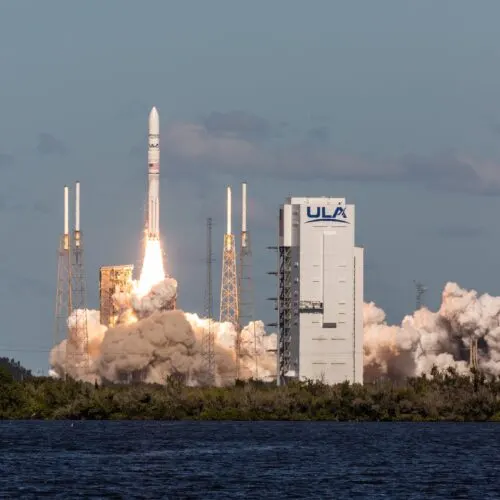
United Launch Alliance’s Vulcan rocket failed minutes after launching from Florida, and its 40 Amazon Leo satellites did not reach orbit. The loss is a major setback for ULA and could affect US military access to space and Amazon’s effort to compete with SpaceX’s Starlink.
ULA said an anomaly occurred about 10 minutes into the flight and that it did not yet know the cause. Reports indicate the problem was in the booster stage: its two BE-4 engines continued firing for at least 30 seconds beyond their planned shutdown, after which the rocket began to spin. This was ULA’s first total mission failure in its 20-year history; Vulcan is booked for about half of upcoming US national security space launches and 38 Amazon missions, and is expected to remain grounded during an investigation.
In short
- Vulcan failed to place 40 Amazon satellites in orbit.
- The cause is unknown, and the rocket faces an indefinite grounding.
- The setback affects military launch plans and Amazon’s broadband network.
Steelman: both sides, in good faith
The strongest fair case each way — we don't pick a winner.
The case for
A failure-free Vulcan is important to maintaining reliable US access to space, and this incident makes a thorough investigation and any necessary design changes essential before flights resume. The setback may also delay Amazon’s effort to offer an alternative to Starlink, so customers and public agencies have an interest in understanding the cause and restoring dependable launch capacity.
The case against
A single failure does not by itself show that Vulcan is unsafe or that its role in national security launches should be reduced; the cause is still under investigation, and a grounded fleet can be a prudent response while engineers establish what happened. Keeping a second major launch provider in the US market may support competition and resilience, while the incident can inform targeted fixes rather than undermine the broader case for Vulcan or Amazon’s satellite plans.
Explained simply
United Launch Alliance (ULA) is a US rocket company jointly owned by Boeing and Lockheed Martin. Its Vulcan rocket is designed to carry satellites into space for commercial customers and the US government, including the military.
Amazon Leo is Amazon’s planned satellite internet network, intended to provide broadband from low Earth orbit and compete with SpaceX’s Starlink. Building the network depends on launching many satellites, so losing a batch can affect its deployment plans.
The US military also relies on rockets to put communications, navigation and other satellites into orbit. Vulcan is scheduled to carry a substantial share of future US national security space missions, making its reliability important to both government and commercial launch plans.
Read the full article at the source →
Originally published by Ars Technica as “Vulcan rocket fails during launch, dealing major blow to SpaceX competitors”.