Culture news and discussion on TalkFuse.
Was Julie Andrews actually part of the British invasion?
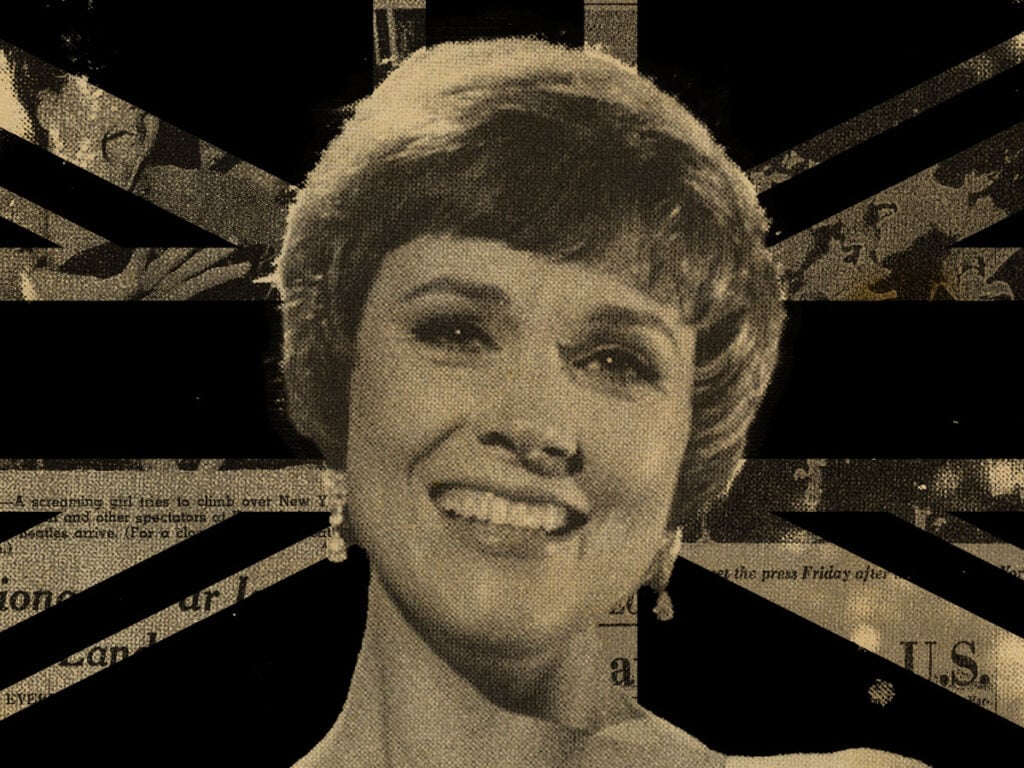
Julie Andrews is best known as a British actor and singer whose success in Hollywood coincided with the mid-1960s “British Invasion”, when UK performers and cultural figures became especially influential in the United States. However, she was not usually considered part of the movement in its strictest sense, which primarily referred to British pop and rock acts such as The Beatles and the Rolling Stones.
Andrews nevertheless became a major American box-office and cultural force through films including Mary Poppins and The Sound of Music, helping to broaden the period’s British cultural impact beyond music. Her career had already been established on stage and television, while her film breakthrough arrived as British performers were increasingly attracting US audiences.
In short
- Julie Andrews was not strictly part of the British Invasion.
- The term mainly described British pop and rock acts.
- Her Hollywood success still strengthened Britain’s US cultural influence.
Steelman: both sides, in good faith
The strongest fair case each way — we don't pick a winner.
The case for
Julie Andrews deserves to be considered part of the British Invasion in its broadest cultural sense. The movement was fundamentally about British talent capturing the American imagination across multiple fields, and Andrews was precisely that—a British performer who achieved unprecedented influence over American audiences during this exact period. Her films Mary Poppins and The Sound of Music were cultural phenomena that demonstrated British artistry's appeal to American audiences just as powerfully as The Beatles did, simply through a different medium. Excluding her arbitrarily limits the term to music alone, when the Invasion was really about Britain's cultural dominance in America during the mid-1960s.
The case against
The British Invasion referred specifically to a rock and pop music movement that fundamentally changed American popular culture and youth attitudes. Julie Andrews represented a different tradition entirely—she was a classically trained theatre performer working in musicals and dramatic film, genres already well-established in America before the 1960s. Her success, whilst undoubtedly significant, was not connected to the revolutionary shift in musical taste and cultural values that defined the Invasion. Using the term broadly enough to include her effectively strips it of meaning and confuses distinct cultural phenomena simply because they happened to occur simultaneously.
Explained simply
The British Invasion was a mid-1960s cultural phenomenon when British performers, particularly pop and rock bands like The Beatles and the Rolling Stones, became hugely popular and influential in America. This period saw UK music dominate American charts and reshape popular culture worldwide. It represented a significant shift in which British artists became central to American entertainment.
Julie Andrews was a British actor and singer who achieved enormous success in American cinema during this same period, most famously through films such as Mary Poppins and The Sound of Music. Her prominence in Hollywood made her a recognisable British cultural figure in the United States at the exact moment the British Invasion was unfolding. However, she had already established a significant career on the British stage and in television before her film breakthrough.
The question of whether Andrews was part of the British Invasion depends on how you define the term. In its strictest sense, the phrase typically referred specifically to British pop and rock acts rather than theatrical performers or film stars. Yet her films did extend British cultural influence in America beyond music, making her relationship to the movement less clear-cut than for music-based acts.