Waymo receives permission to offer rides in Sacramento and San Diego
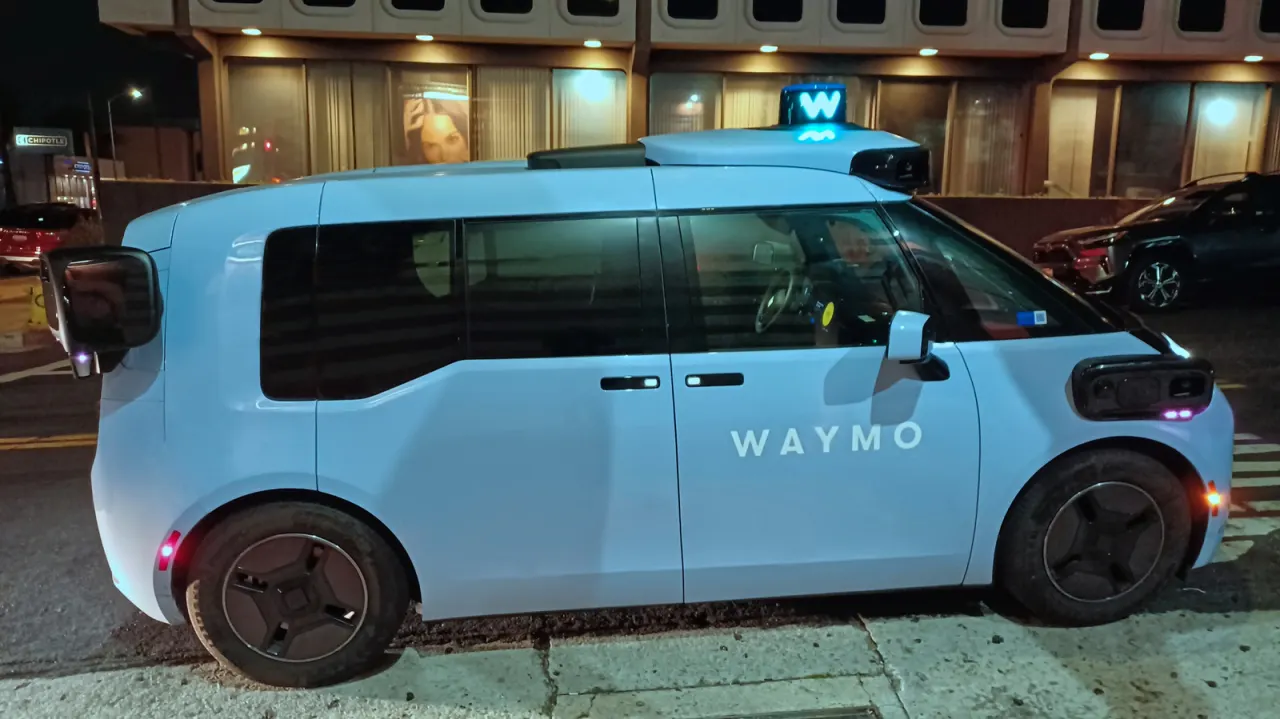
Waymo has received approval from California’s Public Utilities Commission to expand its robotaxi service, allowing it to begin offering rides in Sacramento and San Diego and to broaden operations in the San Francisco Bay Area and Los Angeles. The decision is significant because it gives the company access to a much larger California market, although Waymo says the rollout will be gradual and governed by its safety framework.
The approval covers 18 counties across northern and southern California, including Sacramento, San Diego, Los Angeles, Orange and San Francisco. It follows a safety-plan request Waymo filed in January, which was previously suspended after feedback; the reasons for its apparent resolution have not yet been publicly recorded. Waymo plans to use its existing Jaguar I-Pace vehicles and new Zeekr-built Ojai robotaxis, and had previously announced San Diego and Sacramento expansion plans in late 2025 and early 2026.
- Waymo can now expand California robotaxi rides into Sacramento and San Diego.
- Approval covers 18 California counties.
- Rollout will be gradual and safety-led.
New here? Start with this
Waymo is a company that develops self-driving cars, also called robotaxis. Its vehicles use cameras, sensors and onboard software to navigate roads and carry passengers without a human driver at the wheel.
In California, the Public Utilities Commission oversees companies providing passenger transport services, including some driverless ride services. Its rules shape where such services can operate and what safety plans they must follow.
The expansion matters because it could bring driverless rides to more people and communities across the state. Waymo says it will introduce the service gradually, using its existing Jaguar vehicles and newer robotaxis built by Zeekr.
Both sides, in good faith
The strongest fair case each way — we don't pick a winner.
The case for
Autonomous vehicles demonstrate measurably superior safety performance in controlled testing, with Waymo's approval following rigorous regulatory review designed to protect public interests. Expanding robotaxi services offers genuine benefits: reduced traffic congestion through optimised routing, lower emissions compared to conventional vehicles, improved accessibility for those unable to drive, and economic growth through new employment and services. The gradual rollout with safety oversight allows real-world validation whilst maintaining safeguards.
The case against
Autonomous vehicle technology, whilst advancing, remains untested at scale in diverse driving conditions and complex urban scenarios where edge cases can prove fatal. Rapid commercialisation may prioritise corporate interests over comprehensive safety validation, with insufficient public transparency about failure rates and accident data. Significant concerns persist regarding workforce displacement for taxi drivers lacking transition support, the adequacy of liability and insurance frameworks, and potential traffic impacts in expanding cities. Regulators should demand more rigorous disclosure before large-scale deployment.