Wayve and Uber steal a march on Waymo with paid self-driving London rides
Wayve and Uber have begun offering paid, self-driving taxi rides in London using a fleet of 15 electric Ford Mustangs fitted with Wayve's AI driving system, putting them ahead of rival Waymo, which is still in a testing phase in the city. The rides currently require a trained, TfL-licensed safety driver on board to intervene if needed, so the cars are not yet driverless in the way some Waymo vehicles are elsewhere. The launch is as much about gathering real-world data from paying passengers to refine future versions of the technology as it is about the service itself.
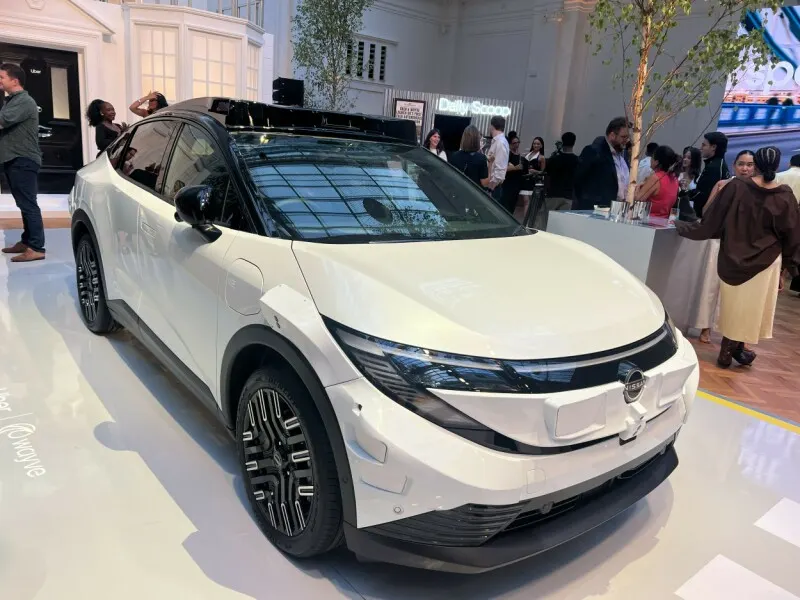
At a launch event, Wayve also unveiled its next-generation vehicle, a Nissan LEAF built with Nvidia DRIVE Hyperion hardware and sensors integrated into the car's design, which the company hopes could eventually operate without a safety driver. That upgrade is expected on UK roads next year, subject to technology and regulatory approval, though the LEAF will debut first in Tokyo. Wayve, founded in London in 2017 and training its AI on the city's streets since 2018, partnered with Uber in 2024 in a deal covering deployment across 12 markets worldwide, starting with London.
In short
- Wayve and Uber launch paid self-driving Mustang rides in London
- Safety driver still required; Waymo remains in testing only
- Nissan LEAF prototype teased as a possibly driverless successor
Steelman: both sides, in good faith
The strongest fair case each way — we don't pick a winner.
The case for
A limited paid launch can give London passengers an early, practical service while generating real-world data that helps improve the technology. With trained, licensed safety drivers present and further driverless use subject to approval, supporters can argue that staged trials balance innovation with safeguards and help a London-founded company compete internationally.
The case against
Charging passengers for rides while a safety driver remains necessary may overstate how close the service is to genuinely driverless taxis, especially when the launch is also a way to gather development data. Critics could argue that public roads and passengers should not serve as a commercial test bed until the technology’s benefits, risks and regulatory case are clearer.
Explained simply
Wayve is a London-founded company developing artificial intelligence to drive cars, while Uber runs a ride-hailing service that connects passengers with drivers. The two companies agreed to work together in 2024, with plans to introduce the technology in several markets. Their current London fleet uses electric cars, but a trained, licensed safety driver remains on board to take over if needed.
Self-driving systems learn from road conditions and traffic, so carrying paying passengers also gives Wayve experience with real journeys in London. The company’s next vehicle is designed with sensors built into the car and may eventually work without a safety driver, subject to technical and regulatory approval. Waymo, a rival self-driving company, is also testing vehicles in London.