We must stop politics of poison seeping into our streets, Burnham says
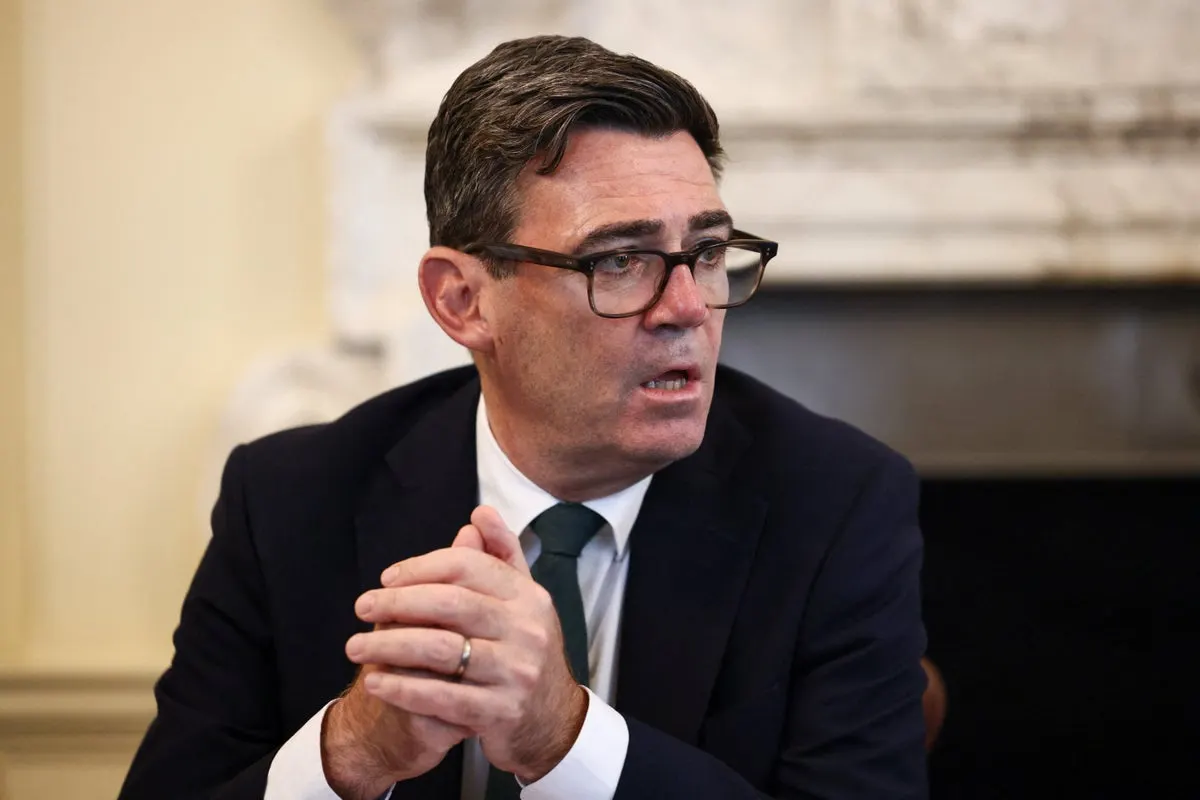
Andy Burnham has urged Labour MPs to counter the "politics of poison seeping into our streets" following a weekend of unrest at anti-migrant protests in Dover and Portsmouth. Speaking privately to MPs and peers on Monday, the Prime Minister said Labour's task was to meet public fear with "positivity and hope" as the party heads towards its autumn conference, insisting the government could still improve people's lives despite a divided political climate.
The intervention follows disruption on Saturday, when masked men blocked roads to the Port of Dover, and further clashes in Portsmouth on Sunday that damaged official vehicles and injured several police officers; more than 200 protesters there tried to stop coaches carrying around 120 migrants who had arrived by boat near the Isle of Wight. Policing minister Sarah Jones told the Commons that organisers Patriot Platform were "far-right racist" and warned demonstrators crossing into illegality would face prosecution, while shadow home secretary Chris Philp said protest should never turn violent but blamed the government's migration record for public anger. Kent Police described the Dover protest as "spontaneous", Hampshire police have opened an investigation into the Portsmouth incidents, and Labour MP Mike Tapp called for a Cobra meeting, calling small boat crossings a "national emergency".
In short
- Burnham urges Labour to counter "politics of poison" after migrant protests
- Unrest hit Dover and Portsmouth over the weekend, injuring police
- MP Mike Tapp calls small boat crossings a "national emergency"
Steelman: both sides, in good faith
The strongest fair case each way — we don't pick a winner.
The case for
The unrest shows how anti-migrant rhetoric can turn fear into intimidation and violence, putting migrants, residents and police at risk. The government should uphold the right to peaceful protest while enforcing the law, and address public anxieties with practical improvements and a hopeful account of its plans.
The case against
People can reasonably argue that ministers must take public concern about small-boat crossings seriously, including pressure on local services and confidence in border control. If government policy appears ineffective, dismissing anger as prejudice may deepen distrust; a firm response should combine lawful protest protections with credible action to manage migration.
Explained simply
People arriving in the UK by small boat across the Channel are usually brought ashore and processed by the authorities, with some transferred by coach to other sites. Their arrival has become a focus of political debate about border controls, asylum and the government’s handling of migration.
The protests involved people opposing migrant arrivals, including organisers called Patriot Platform. Labour ministers say protests must remain lawful, while the Conservatives have argued that government policy has contributed to public concern. Police forces are responsible for investigating offences and managing public order.
The issue matters because it brings together questions about how the UK handles people seeking protection, public confidence in migration policy and the right to protest. It also has consequences for local communities and the safety of police, protesters and people being transferred.
Art Culture Government Politics