London politicians seek stronger TfL powers over robotaxis amid growing opposition
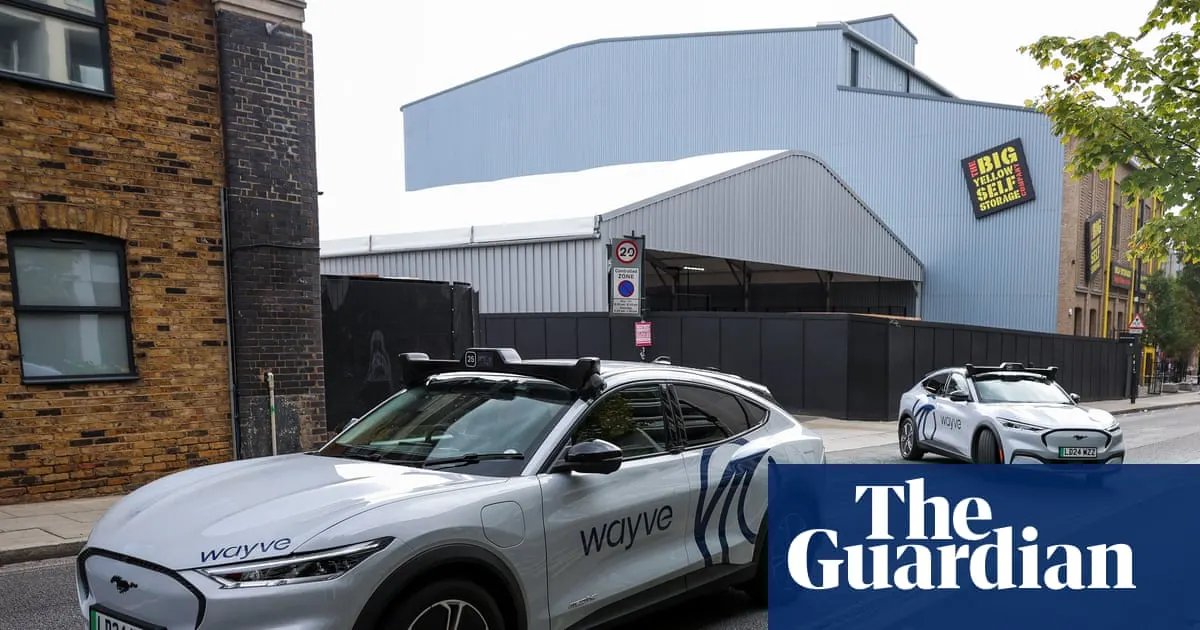
Uber and Wayve’s robotaxi rollout in London is facing growing opposition from drivers and city politicians, who say the technology could threaten livelihoods and create new transport and safety problems. A London Assembly committee wants the government to give Transport for London full powers to permit, regulate or suspend autonomous taxi services.
Uber says more than 100,000 people in London are on its robotaxi waitlist, while its current limited service uses a human safety driver. Under proposed rules, the Department for Transport would issue permits for fully autonomous services, with TfL able only to consent or refuse. Drivers’ unions plan to protest at Wayve’s headquarters as officials raise concerns about congestion, public transport, accessibility and the effect on more than 100,000 licensed drivers.
- London politicians want TfL to control robotaxi permits.
- Drivers fear the rollout could threaten their livelihoods.
- Uber’s limited service still has a human safety driver.
New here? Start with this
Transport for London (TfL) runs London’s public transport and licenses taxis and private hire vehicles, including app-based services such as Uber. Robotaxis are vehicles that can carry passengers without a human driver; trials and limited services may still include a safety driver.
Uber is working with British self-driving technology company Wayve on a robotaxi service in London. Government proposals would give the Department for Transport the power to permit fully autonomous services, while TfL could approve or reject them. Drivers’ groups and some politicians have raised concerns about jobs, road safety, congestion and access for passengers with disabilities.
The issue matters because London has more than 100,000 licensed private hire drivers, and any wider use of robotaxis could affect how people travel and work. TfL’s role would also shape how the new services fit with buses, trains, taxis and the rest of the city’s transport network.
Both sides, in good faith
The strongest fair case each way — we don't pick a winner.
The case for
Giving TfL full authority to permit, regulate or suspend robotaxi services would let London’s transport body weigh local concerns such as congestion, accessibility and effects on public transport and licensed drivers. Supporters may argue that decisions affecting the city should be made by an authority accountable to Londoners and able to respond quickly if safety or other problems arise.
The case against
A national permitting system could provide consistent rules and avoid different standards across the country, while still allowing TfL to consent to or refuse services in London. Supporters of this approach may also argue that carefully regulated robotaxis could expand transport choices and that excessive local control could delay their introduction before their effects are fully understood.
Art Business Celebrity Culture Entertainment Technology UK World
Read the full article at the source →
Originally published by The Guardian as “‘We should all be worried’: calls grow to limit London rollout of robotaxis”.