Game Freak outlines patch to fix camera and pacing issues in Beast of Reincarnation
Developed over time first seen 3 months ago
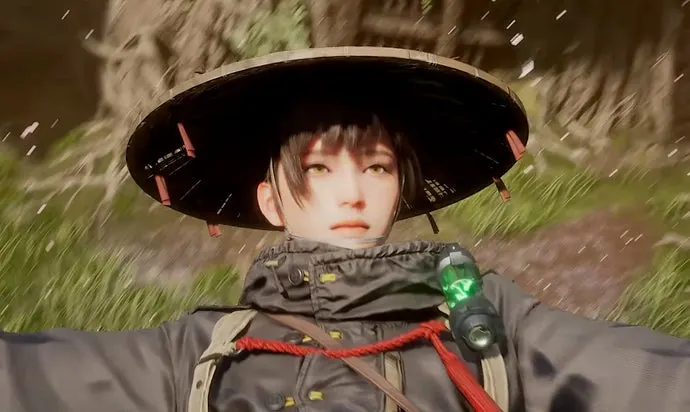
Game Freak has committed to a series of updates for Beast of Reincarnation, its first original game in years, following a divisive reception at launch. The Pokémon developer set out its plans in a message on X, detailing fixes due in a patch scheduled for release the following week and pointing to a survey aimed at gathering further player feedback, underlining its intention to keep supporting the title rather than move on despite the rocky start.
The patch addresses camera issues, increases text size, makes Performance mode the console default in place of Cinematic mode, and fixes various bugs, alongside the first step in a longer-term effort to improve the pacing of the game's story. Reaction to the action role-playing game has been mixed throughout: Eurogamer's review awarded it three stars, praising standout moments while criticising others as aggravating, unfinished and dull, and it holds a "Mixed" rating on Steam, with players commonly citing a lack of polish.
- Sources
- 2
- Outlets
- 2
- Left · Centre · Right
- 0 · 0 · 0
In short
- Game Freak pledges ongoing fixes after Beast of Reincarnation's mixed launch
- Patch due next week tweaks camera, text size and default display mode
- Game holds "Mixed" Steam rating; Eurogamer gave it three stars
How this story developed
- 3 months ago Coverage reaffirmed the same patch details and critical reception already reported, with Game Freak's commitment to sustained support for the title remaining the central takeaway as no further developments emerged.
- 3 months ago Game Freak used a post on X to lay out the patch contents in detail, including camera adjustments, larger text, Performance mode replacing Cinematic mode as the console default, bug fixes and the start of pacing improvements to the story, while also launching a feedback survey and citing Eurogamer's three-star review and the game's "Mixed" Steam rating.
- 3 months ago Game Freak's debut original title, Beast of Reincarnation, launched to a mixed reception, prompting the studio to announce a forthcoming series of updates, starting with a patch due within days.
Steelman: both sides, in good faith
The strongest fair case each way — we don't pick a winner.
The case for
Many players and commentators will welcome Game Freak's response as exactly what a responsible developer should do: acknowledge specific, concrete complaints (camera, text size, performance defaults, pacing) rather than dismiss them, commit to a swift patch, and keep soliciting feedback through a survey. For a studio venturing outside its comfort zone with its first original IP in years, this kind of iterative, listening posture is seen as good stewardship of both the game and the goodwill of its fanbase, and preferable to either ignoring criticism or abandoning a flawed but promising title.
The case against
Others will argue that a flurry of post-launch fixes for issues like camera control, illegibly small text and a poorly chosen default performance mode points to a game that was not ready for release in the first place, and that promising future improvement should not excuse charging full price for an unpolished product on day one. From this view, the pattern of shipping first and patching later shifts quality-assurance costs onto paying customers and rewards studios for rushing titles to market rather than delaying until they meet a reasonable standard of polish.
Explained simply
Game Freak is the Japanese studio best known for creating the Pokémon video games, working alongside publisher Nintendo and The Pokémon Company. Beast of Reincarnation marks a departure for the studio: it is one of the few original titles it has made outside the Pokémon franchise, an action role-playing game where players fight and explore rather than the turn-based creature-collecting the studio is famous for.
Since its release, the game has drawn a mixed response from critics and players alike, with praise for some standout elements sitting alongside complaints about a lack of polish, unresolved bugs and pacing problems in the story. This matters because it is a rare test of whether Game Freak can succeed outside its usual comfort zone, and how a well-known developer handles a rocky launch shapes both player trust and the game's longer-term reputation.
Studios in this position typically respond in one of two ways: quietly move on to the next project, or commit to ongoing updates aimed at fixing the issues raised by players. Game Freak's public statements and plans for patches and player surveys are best understood against that backdrop, as an indication of which path it intends to take.
Coverage · 2 sources
Art Culture Entertainment Software Technology TV
Read the full article at the source →
Originally published by Eurogamer as ““We take your feedback to heart” – Game Freak promises to improve Beast of Reincarnation following a divisive launch”.