Your smart TV’s Wi-Fi is probably faster than its Ethernet, but speed isn’t everything
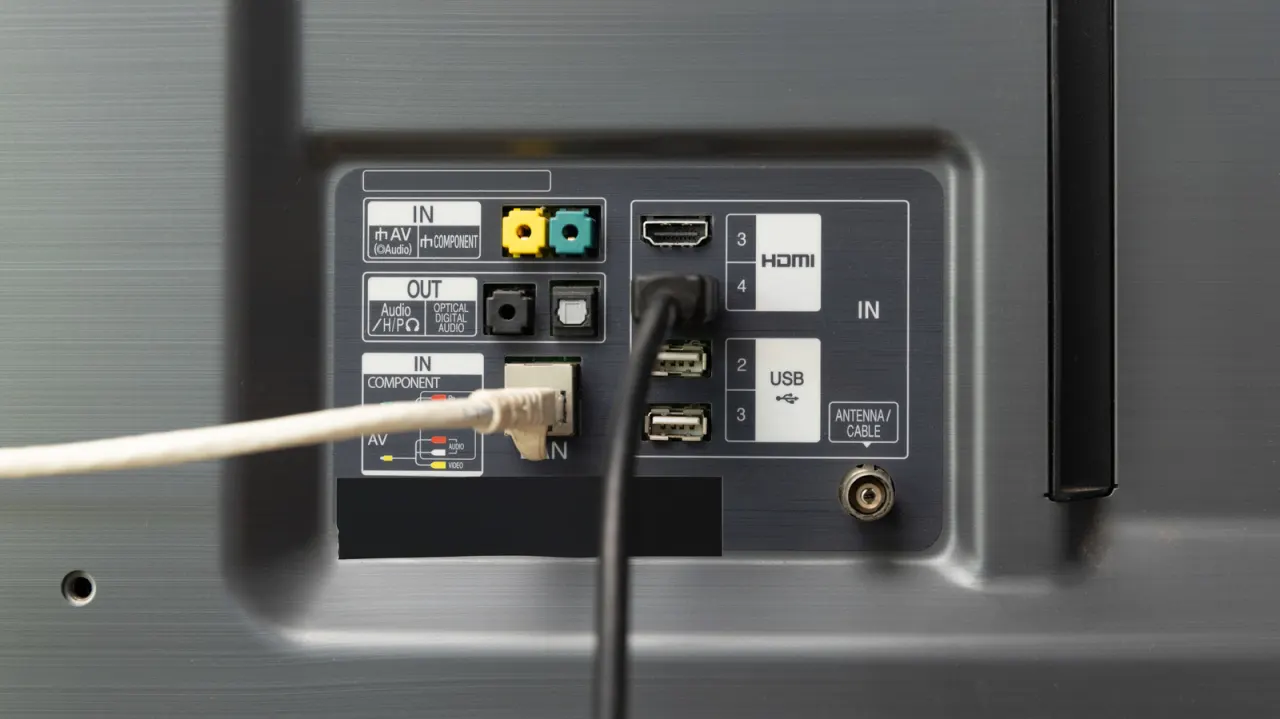
Smart TVs can often achieve higher peak speeds over Wi-Fi than through their Ethernet ports, but a wired connection may be more reliable. This matters because interruptions or weak signal can make streaming apps re-buffer or reduce picture quality, although a stable Wi-Fi connection is generally fast enough for 4K.
Many TVs and streaming devices have Ethernet ports capped at 100 Mbps, while Wi-Fi 6 can exceed gigabit speeds in ideal conditions; even Wi-Fi 5 is usually sufficient for streaming. A 4K HDR stream typically needs about 25 Mbps, so Ethernet’s main benefit is avoiding range and interference problems. Use it when cabling is practical or Wi-Fi is unreliable; otherwise, improve router placement or free up wireless capacity by connecting other devices by cable.
In short
- Wi-Fi is often faster than a TV’s Ethernet port.
- Ethernet can provide a steadier connection.
- Choose Ethernet when convenient or Wi-Fi is unreliable.
Explained simply
Smart TVs connect to the internet either over Wi-Fi or through an Ethernet cable plugged into a router. Some TVs have Ethernet ports limited to 100 megabits per second, while newer Wi-Fi can reach much higher speeds in ideal conditions.
Video services adjust picture quality to suit the connection, and a 4K stream typically needs about 25 megabits per second. Wi-Fi is often fast enough, but distance from the router and interference from other devices can cause interruptions or lower picture quality.
Ethernet avoids many wireless signal problems, so it can be useful when the TV’s Wi-Fi is unreliable and a cable is practical. A steady connection matters more for smooth viewing than the highest possible speed.