Wealthy Aussie family’s costly error as clifftop mansion sells for $2.45million less than offer they knocked back the year before
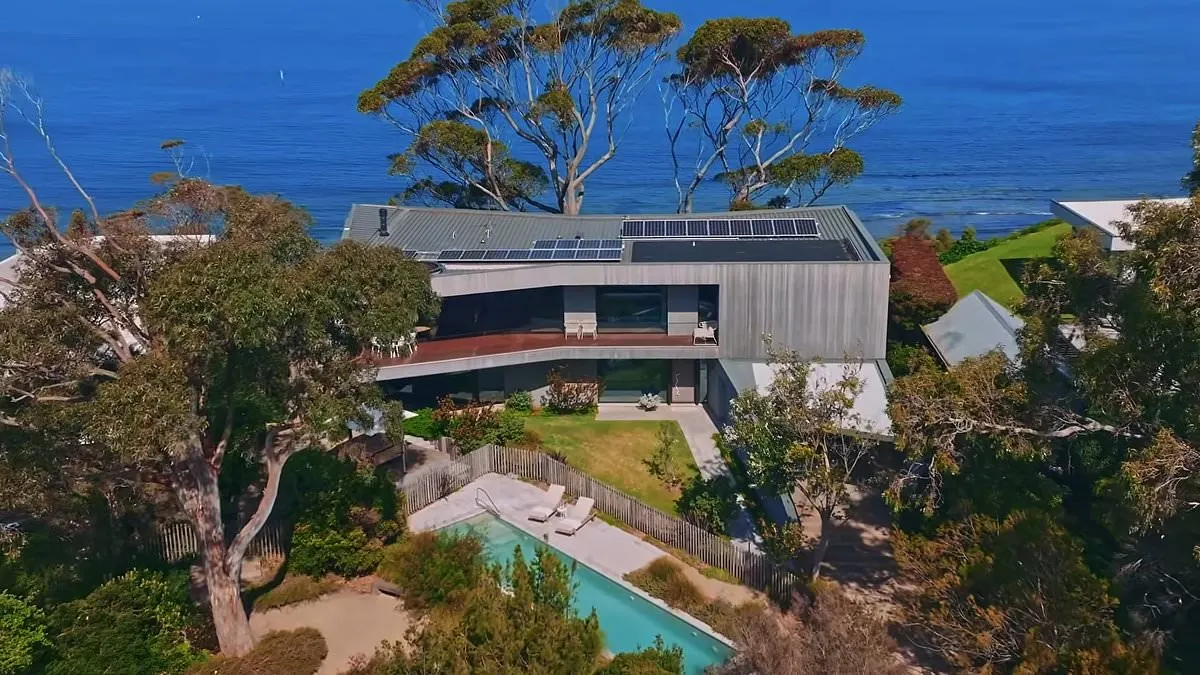
A family sold its clifftop home in Flinders, on Victoria’s Mornington Peninsula, for $7.8 million after turning down a $10.25 million offer from the same buyer a year earlier. The sale, after 305 days on the market, highlights the steep decline in the area’s prestige property market and wider caution among Australian buyers and sellers.
The four-bedroom home sold on 7 August, more than 20 per cent below the rejected offer. National home sales fell 20.9 per cent year on year in September, while capital-city dwelling values were down 1.8 per cent over the year; Perth and Darwin were exceptions, with gains above 10 per cent. Analysts cited higher interest rates and reduced borrowing capacity, while an economist said a recovery may depend on rate cuts.
- Flinders home sells for $7.8 million.
- The family had rejected a $10.25 million offer.
- Higher rates are weighing on Australia’s housing market.
New here? Start with this
Flinders is a coastal town on Victoria’s Mornington Peninsula, where large homes with sea views are part of the prestige property market. The housing market can vary sharply between regions and price brackets, so results from one high-value sale do not represent every Australian home.
Interest rates affect how much buyers can borrow, and higher repayments can limit what they are willing or able to pay. When borrowing capacity falls, buyers may become more cautious and sellers may have to wait longer or accept less; economists have said lower rates could support a recovery.
Both sides, in good faith
The strongest fair case each way — we don't pick a winner.
The case for
The family may have judged that the first offer undervalued a rare clifftop property and that holding out could secure a better price as the market changed. Sellers also have reason to weigh their own timing and needs rather than accept an offer simply because it is high; the eventual sale price reflects a softer market, not necessarily an unreasonable earlier decision.
The case against
Turning down $10.25 million meant giving up a concrete offer from the same buyer, and the eventual $7.8 million sale after 305 days on the market suggests that waiting carried substantial cost. In a market facing higher rates and reduced borrowing capacity, sellers may be better served by treating a strong offer as a realistic benchmark rather than assuming conditions will improve.