What are amplifiers for and how important are they to your sound system’s quality?
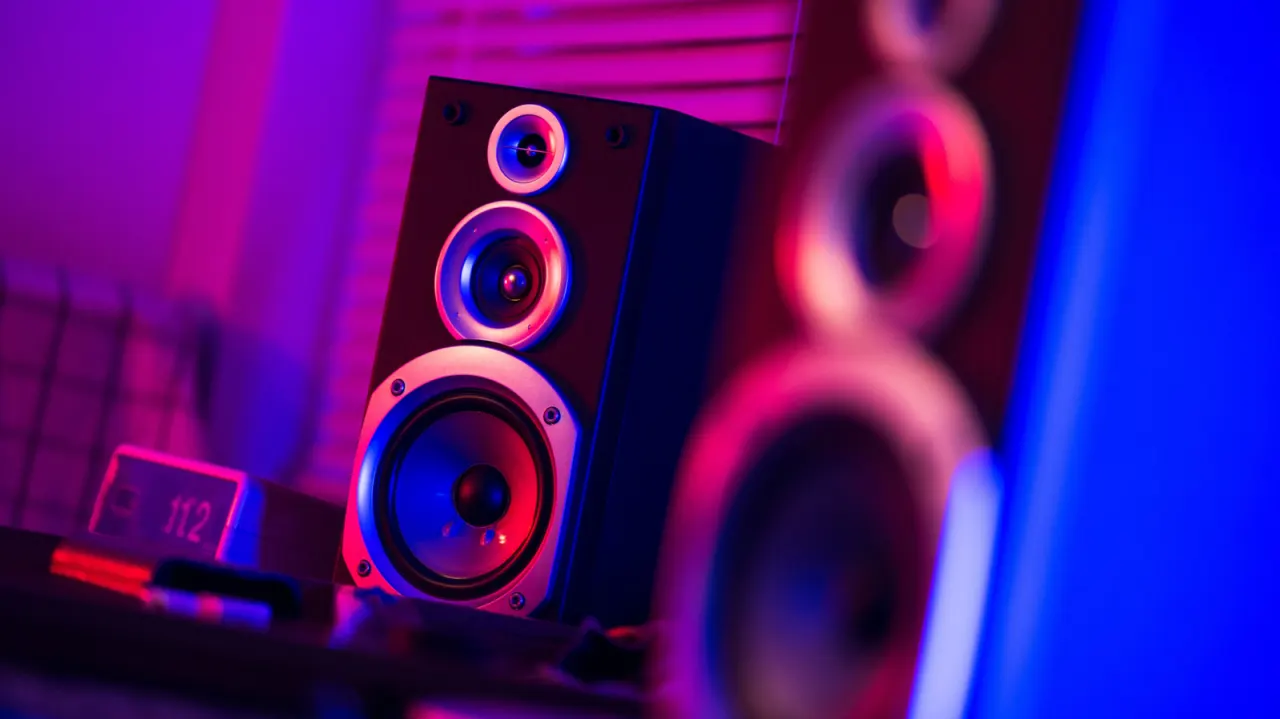
Amplifiers strengthen audio signals so speakers can reproduce sound clearly, and they can also provide controls for gain and equalisation. They matter to sound systems, but buying a separate amplifier does not automatically improve sound quality: the right choice depends on the speakers and equipment already in place.
Many consumer speakers are active and have amplifiers built in, while receivers often combine amplifier and preamp functions. Passive speakers need external power, and larger setups may need an additional amp if the receiver cannot power all channels. Amplifiers should match speakers’ power and impedance ratings; solid-state models are generally more practical than tube amps for home theatre, as tube models tend to deliver 50 watts or less and need maintenance.
- Amplifiers boost audio signals to drive speakers.
- Many speakers and receivers already include one.
- Match amplifier power and impedance to your speakers.
New here? Start with this
An amplifier is a device that strengthens audio signals so speakers can produce sound clearly and at the right volume. Without enough amplification, even good speakers cannot work properly.
Amplifiers appear in different setups depending on your equipment. Many modern speakers have amplifiers built inside them, whilst other systems use a receiver, which combines several functions including amplification in one box. If you have speakers without built-in power, you'll need a separate amplifier to power them.
Simply buying a more powerful amplifier will not automatically improve your sound quality; the amplifier needs to match your speakers' power needs and work well with your other equipment. In most home setups, conventional amplifiers are more practical than tube amplifiers, which typically deliver less power and require regular maintenance.