What are the downsides of a mini PC?
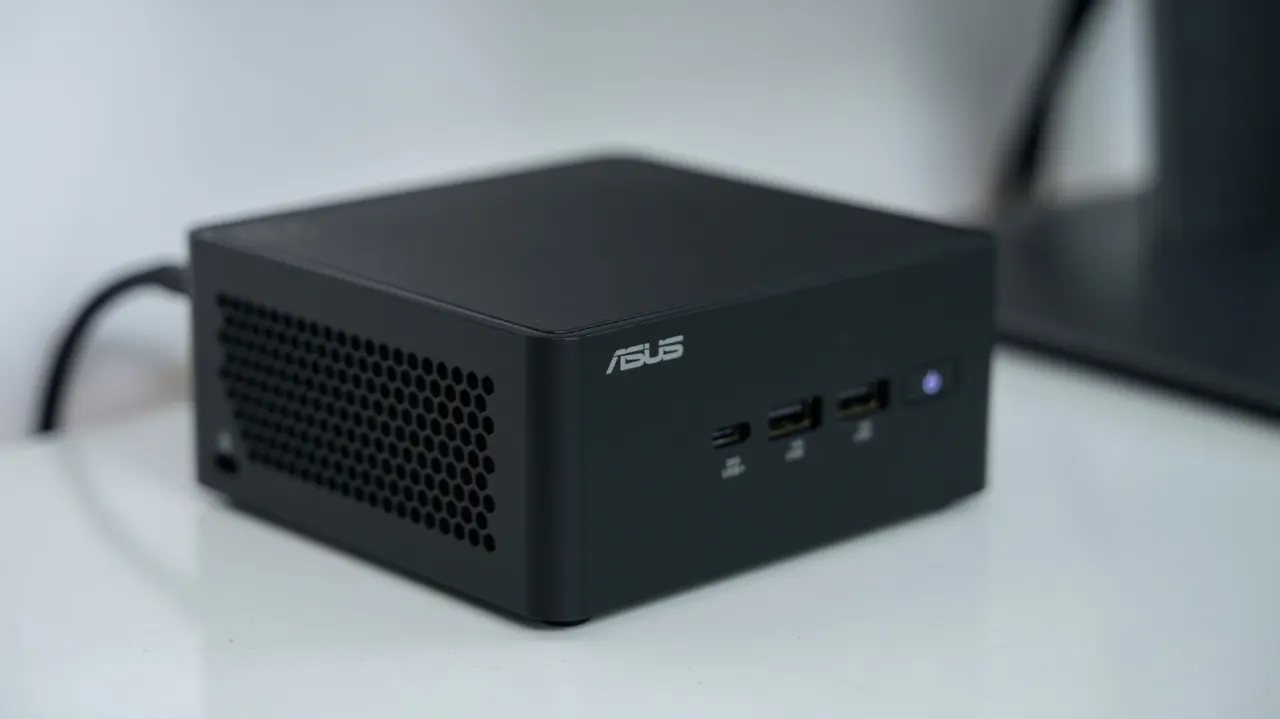
Engadget has published a guide to the drawbacks of mini PCs, the compact desktop machines from brands such as Geekom, Beelink and Minisforum that have grown popular as alternatives to full-size towers and laptops. While their small footprint and surprisingly strong performance are the main selling points, that same compactness creates two lasting problems: very limited upgradeability and constrained cooling, both of which affect long-term value and sustained performance.
Most mini PCs use laptop-style components, with CPUs and GPUs often soldered directly to the motherboard, leaving only RAM and storage as potential upgrade points—and even these are sometimes soldered too, ruling out any future upgrades. Limited internal space also means fewer expansion and I/O options, though some higher-end models offer OCuLink or Thunderbolt ports for external GPU enclosures. Cooling is the other major constraint: smaller cases limit airflow, so even powerful chips like AMD's Ryzen AI Max+ 395 cannot match desktop-level sustained performance, and high-end mini PCs tend to run hot and noisy under heavy loads, with liquid cooling largely impractical.
- Mini PCs are hard to upgrade, with CPUs/GPUs often soldered in
- Limited case space restricts cooling, capping sustained performance
- High-end mini PCs can get hot and noisy under heavy workloads