What Burnham’s record on rough sleeping reveals about his first pledge as PM
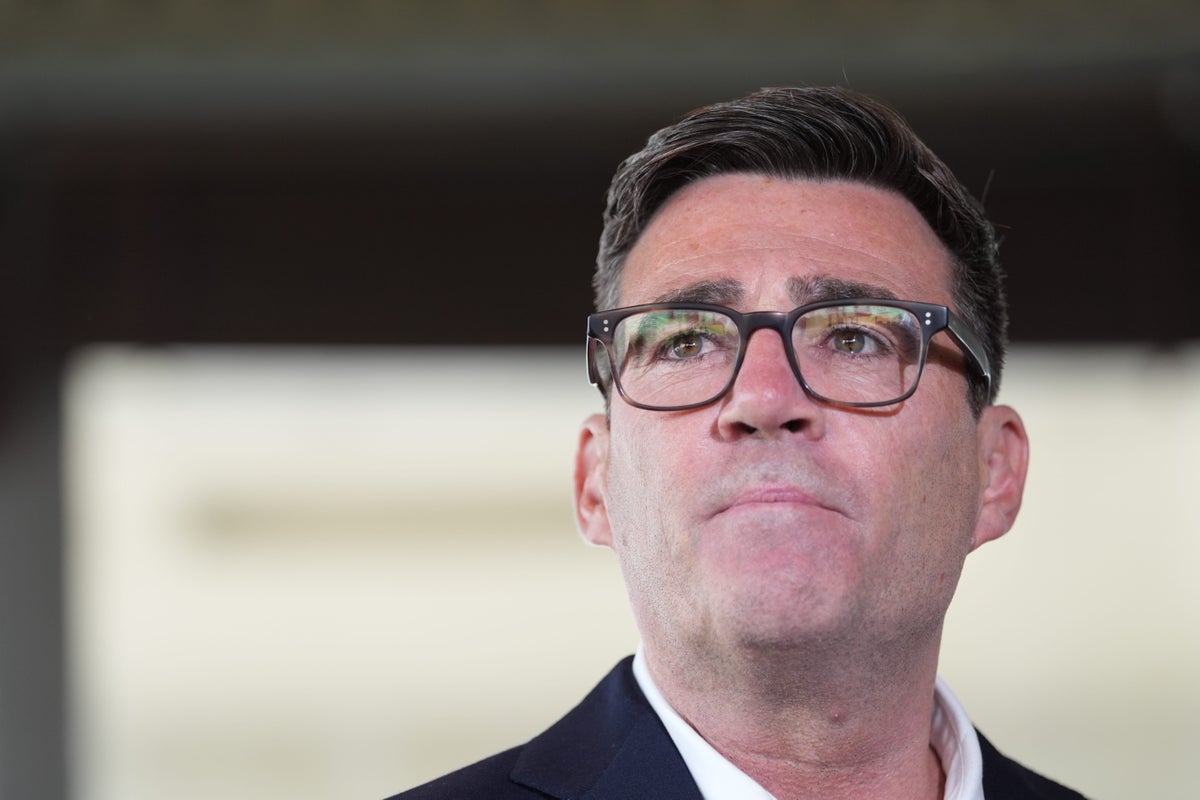
Andy Burnham used his first speech as prime minister to pledge that his government would "end rough sleeping" across the country, announcing £340m of additional funding to acquire homes and provide support "without delay". The pledge echoes a similar promise he made in 2017 as Greater Manchester mayor, and his record there offers a mixed picture of what such a commitment can achieve, with the Conservatives accusing him of making "pledges without any plan for delivery".
The £340m, drawn from uncommitted Ministry of Housing, Communities and Local Government budgets, is intended to provide 1,200 homes and support for at least 3,000 long-term rough sleepers over five years, on top of the existing £3.6bn National Plan to End Homelessness, taking total funding to over £3.9bn. In Greater Manchester, rough sleeper numbers fell from 268 in 2017 to a low of 90 in 2021 before more than doubling since, standing at 197 in late 2025 – a 26 per cent fall overall, compared with a 1 per cent rise across England over the same period. Charity leaders, including Mustard Tree's Jo Walby, credited Burnham with progress but noted his powers as mayor were limited, while shadow housing secretary Sir James Cleverly said Burnham "failed" in Manchester and demanded clarity on how the new funding would be paid for.
In short
- Burnham pledges to end rough sleeping nationally, backing it with £340m
- Manchester rough sleeping fell 26% under his mayoralty but has since risen
- Tories say pledge lacks a delivery plan, citing his Manchester record
Steelman: both sides, in good faith
The strongest fair case each way — we don't pick a winner.
The case for
Burnham achieved a 26 per cent reduction in rough sleepers across Greater Manchester despite operating with limited mayoral powers and constrained budgets, a performance that compared favourably to England's 1 per cent increase over the same period. Charity leaders credited his genuine progress, and with the additional powers and resources of Prime Minister—£3.9bn in total funding and specific targets of 1,200 homes and support for 3,000 rough sleepers—he has both demonstrated experience and substantially greater capacity to deliver lasting change.
The case against
Burnham's Manchester record reveals the limitations of his approach: whilst numbers initially fell to 90 in 2021, they have since more than doubled to 197, suggesting his policies lacked durability and sustainability. The £340m in new funding is drawn from existing budgets rather than genuinely additional resources, raising questions about trade-offs elsewhere, and the pattern of pledges without clear delivery mechanisms—as the Conservatives note—gives legitimate reason to doubt whether this commitment will prove more successful than previous promises.
Explained simply
Rough sleeping – when people sleep on the streets without fixed accommodation – is a significant and growing social problem across England. Understanding the issue provides context for evaluating different approaches to tackling it.
Andy Burnham is the current prime minister, though he previously served as mayor of Greater Manchester from 2017. During his mayoral tenure, rough sleeper numbers in the region fell from 268 to 90 at their lowest point, though they have since risen to 197. Nationally, rough sleeping increased by 1 per cent over the same period, meaning Greater Manchester's experience initially differed from the wider English trend.
Assessments of Burnham's mayoral record differ. Homelessness charities have credited him with making genuine progress, though some note his powers were limited as a mayor. Critics argue he ultimately failed to deliver lasting solutions, pointing to the recent rise in rough sleeper numbers as evidence. How observers interpret his track record therefore shapes expectations about what he might achieve on a national scale.