New releases, music videos and album news — indie, rap, rock and pop. Always covering Ren, Chris Webby, Sam Tompkins, bbno$, CHINCHILLA, Muse, Yungblud and more.
What does The Rolling Stone’s 1969 classic ‘You Can’t Always Get What You Want’ actually mean?
Developed over time first seen 3 hours ago
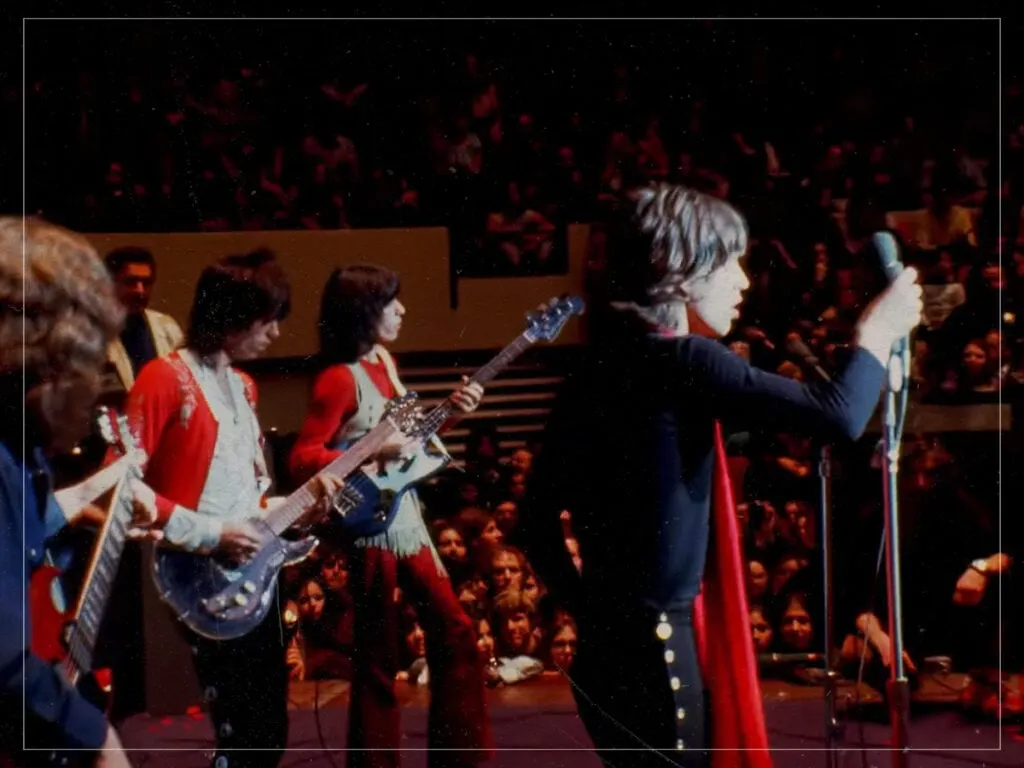
The Rolling Stones’ 1969 song “You Can’t Always Get What You Want” explores the gap between what people desire and what they need, suggesting that disappointment can still lead to unexpected fulfilment. Released as the optimism of the 1960s faded, it reflects a world where pleasure, politics and personal hopes rarely turn out as expected.
The story behind “Mr Jimmy” in the lyrics is disputed. One account identifies him as Jimmy Hutmaker, an Excelsior resident who allegedly made the song’s famous remark to Mick Jagger when a shop had run out of Cherry Coke; another possibility is Jimmy Miller, the band’s producer and the song’s credited drummer. The article says the lyric’s lasting appeal lies in its balance of resignation and a hint of hope, whoever inspired it.
- Sources
- 2
- Outlets
- 1
- Left · Centre · Right
- 0 · 0 · 0
In short
- The song weighs desire against need.
- The identity of “Mr Jimmy” remains uncertain.
- Its refrain reflects the fading optimism of the 1960s.
How this story developed
- 2 hours ago The Rolling Stones’ 1969 song “You Can’t Always Get What You Want” explores the gap between what people desire and what they need, suggesting that disappointment can still lead to unexpected fulfilment.
Full account
What does The Rolling Stones’ 1969 song ‘You Can’t Always Get What You Want’ mean? Its familiar refrain sounds like advice about disappointment, but the verses make that idea more complicated. Jagger moves through a party, a drugstore queue and a political gathering, meeting people whose hopes and circumstances do not quite align. The song suggests that wanting something intensely does not make it attainable, while leaving room for the possibility that an unexpected outcome may still be enough.
The track closes Let It Bleed, an album on which the band also confronted violence and unease in songs such as ‘Gimme Shelter’. Heard against the fading optimism of the late 1960s, its communal chorus can sound both consoling and weary. Rather than offering a single moral, the song lets its encounters accumulate: pleasure, conviction and personal desire all prove less straightforward than they first appear.
One detail has attracted a more specific story. A verse mentions ‘Mr Jimmy’, whom some listeners identify as Jimmy Hutmaker, a familiar figure in Excelsior, Minnesota. According to local legend, Jagger met him during the Stones’ 1964 American tour, when a shop could not provide the drink Jagger wanted, and Hutmaker supplied the thought that became the song’s refrain. The account is appealing, but the supplied report presents it as legend, not an established explanation. It also raises another possibility: producer Jimmy Miller, who played drums on the recording. The lyric’s setting at London’s Chelsea Drugstore complicates any simple identification with the Minnesota encounter.
The song’s continuing appeal is evident in a newer recording by Sam Fender for a John Lewis Christmas advert. Fender worked with members of his band, a choir from his former school in North Shields and the Easington Colliery Band; Jagger praised the result. That version gives the refrain another setting without settling what every character in the original represents. The song remains open to both readings: an acknowledgement that life frustrates expectations, and a tentative invitation to recognise what can still be found when it does.
Where outlets differ
From the full account, which is AI-written from the sources:
Source 1 concentrates on the original song’s lyrics, its place on Let It Bleed and competing accounts of who ‘Mr Jimmy’ might be. Source 2 concentrates on Sam Fender’s Christmas advert cover, its local collaborators and Jagger’s response; it offers no competing interpretation of the 1969 lyrics.
Explained simply
The Rolling Stones are a British rock band whose music became closely associated with the cultural changes of the 1960s. The song appeared in 1969, as hopes for social and political change sat alongside uncertainty about what those changes would bring.
Its lyrics contrast what people wish for with what may prove useful or possible, touching on private hopes as well as wider events. The identity of “Mr Jimmy”, mentioned in the song, is disputed: one account links him to local resident Jimmy Hutmaker, while another suggests the band’s producer, Jimmy Miller.