Health news and discussion on TalkFuse.
Former Manchester hotel manager alleges drugs, fights and staff safety risks
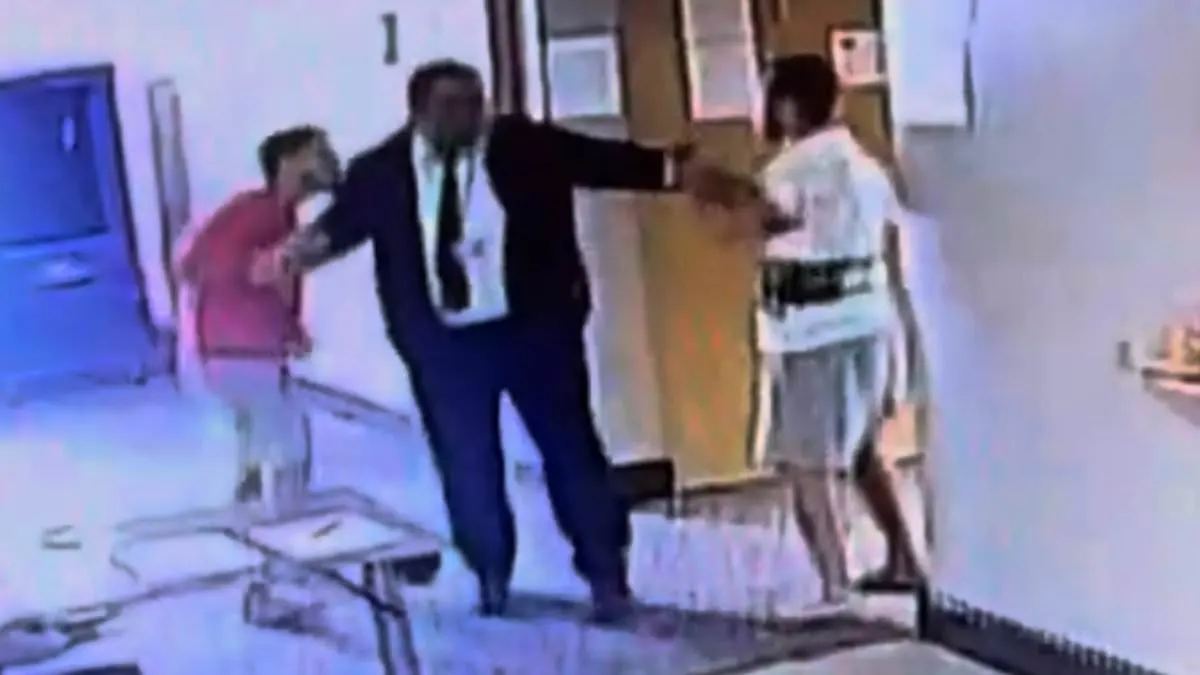
Kieran Chamley, a former manager at Manchester Airport Stanley Hotel, says staff faced drug use, fights and safety threats while the hotel housed male asylum seekers under a private contract. His account raises questions about staff and community safety as the Government shifts asylum seekers from hotels into other accommodation.
Chamley says staff were instructed to keep a hammer and towel for escaping through an office window, and that some young women needed escorts while working or travelling home. He describes finding knives, cannabis and drug paraphernalia, and says fights between residents were frequent. The article also notes that more than 400 migrant hotels were operating at their peak in 2023, and cites the 2024 murder of hotel worker Rhiannon Whyte by a resident, who was jailed for life in January.
In short
- A former hotel manager describes staff safety concerns.
- He says fights, drugs and knives were encountered.
- As hotels close, he fears risks may shift elsewhere.
Steelman: both sides, in good faith
The strongest fair case each way — we don't pick a winner.
The case for
Chamley’s account, if accurate, points to serious failures in protecting hotel staff: reports of weapons, drug use and frequent fights, alongside advice to keep escape tools and escort some workers, suggest that safety concerns were real and required a stronger response. The killing of hotel worker Rhiannon Whyte underscores the potential consequences of inadequate safeguards, while the scale of hotel use makes staff protection a wider policy issue.
The case against
A former manager’s account is important but does not by itself establish how common these incidents were, whether they were reported or addressed, or whether hotel accommodation caused them. The risks should be assessed using evidence across sites and alongside the safety needs of asylum seekers; moving people out of hotels may change where risks arise without resolving them, so policy should avoid treating residents as a group as dangerous.
Explained simply
Since the asylum system came under strain in the early 2020s, the UK government has housed many people seeking asylum in hotels while their claims are assessed. The Home Office, the government department responsible for immigration, pays private companies to run these hotels and provide accommodation and support. Kieran Chamley, a former manager at the Manchester Airport Stanley Hotel, has spoken publicly about his time there, which was during a period when the hotel housed male asylum seekers under such a contract.
At its peak in 2023, more than 400 hotels across the country were being used in this way, and the policy has been controversial for local communities, staff and residents. Safety has been a recurring concern, most seriously in 2024, when hotel worker Rhiannon Whyte was murdered by a resident. The man responsible was jailed for life in January.
Supporters of hotel accommodation say it provides a short-term solution when other housing is not available, while critics argue it is costly and unsuitable for long-term use. The government is now moving asylum seekers out of hotels and into other forms of accommodation, which makes the question of how safely and fairly these buildings were run increasingly important.
Read the full article at the source →
Originally published by Daily Mail as “What I saw as a migrant hotel manager: Drugs and knives stashed in rooms, bloody brawls between ‘residents’, female staff leered at – and staff given training in how to flee to safety. A whistleblower tells all to STEVEN EDGINTON”.