Dual-band routers split Wi-Fi traffic to ease household congestion
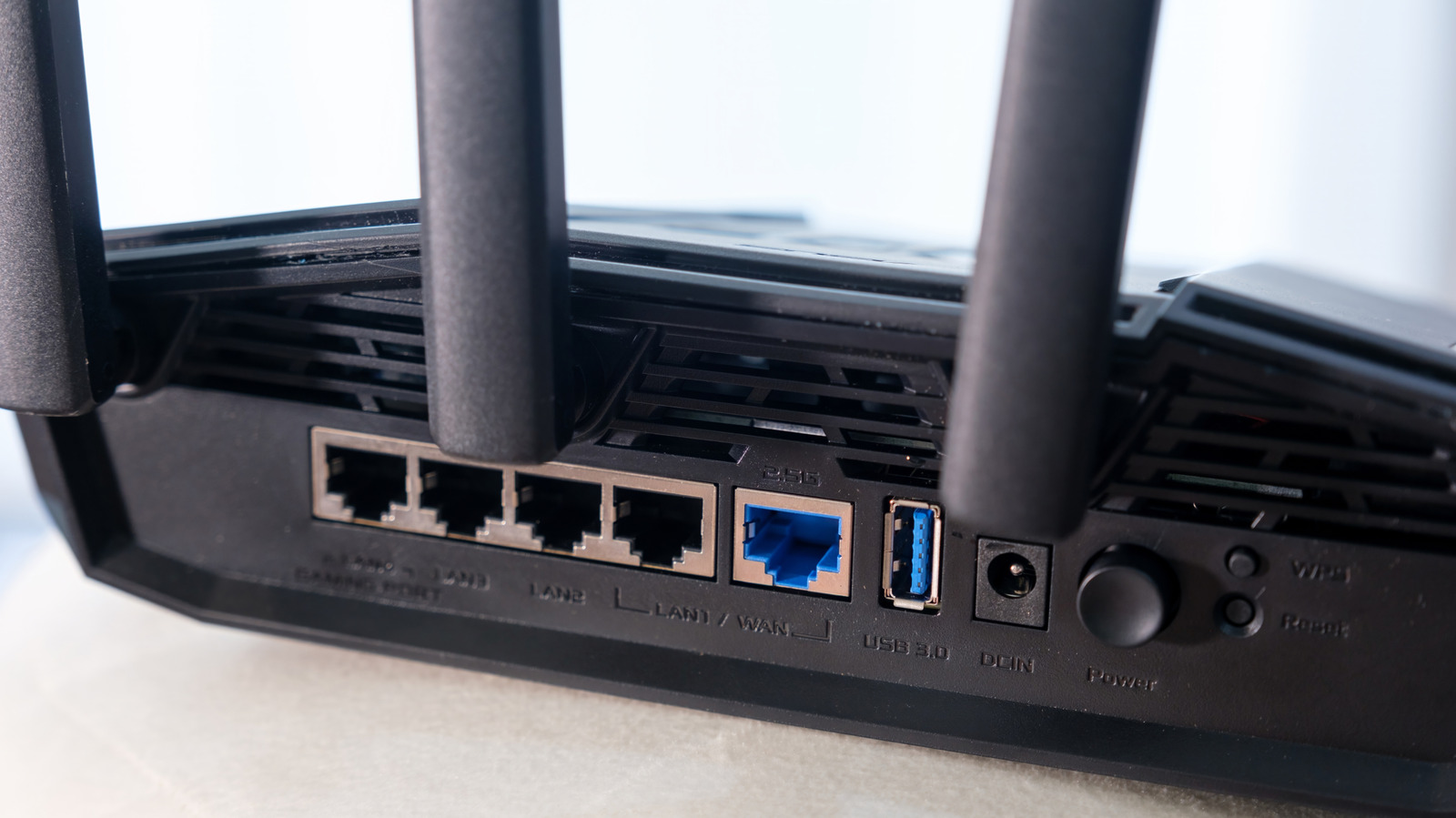
Dual-band routers broadcast Wi-Fi on two separate radio frequencies simultaneously, 2.4GHz and 5.0GHz, helping households cope with rising internet demands as average US homes now use over 700GB of data monthly. This matters because devices increasingly compete for bandwidth from streaming, gaming and smart home gadgets, and a dual-band setup reduces bottlenecks by automatically routing devices to whichever frequency suits them best, balancing range against speed rather than forcing every device onto a single connection.
The 2.4GHz band offers greater range and better wall penetration, making it suited to distant rooms or low-demand smart home devices, though it is slower and more congested. The 5.0GHz band delivers faster speeds and more capacity but has weaker range and struggles with obstacles, making it better for 4K streaming or gaming. Roughly 51.3% of routers currently on the market are dual-band, and users can check their own router's type via the label on the device, the network list on a phone or tablet, or by looking up the model number online. A dual-band or tri-band router cannot compensate for a poor internet plan, bad placement or thick walls, and for maximum speed a wired Ethernet connection remains the best option.
- Dual-band routers use 2.4GHz and 5.0GHz bands together for better Wi-Fi.
- 2.4GHz offers range, 5.0GHz offers speed; devices auto-connect to the best one.
- Check router labels or device network lists to identify dual-band or tri-band models.