What is Putin hiding? Plague ‘cover-up’ mystery deepens ten days after lab scientist’s death with Kremlin yet to identify pathogen and family ‘refusing to discuss case’
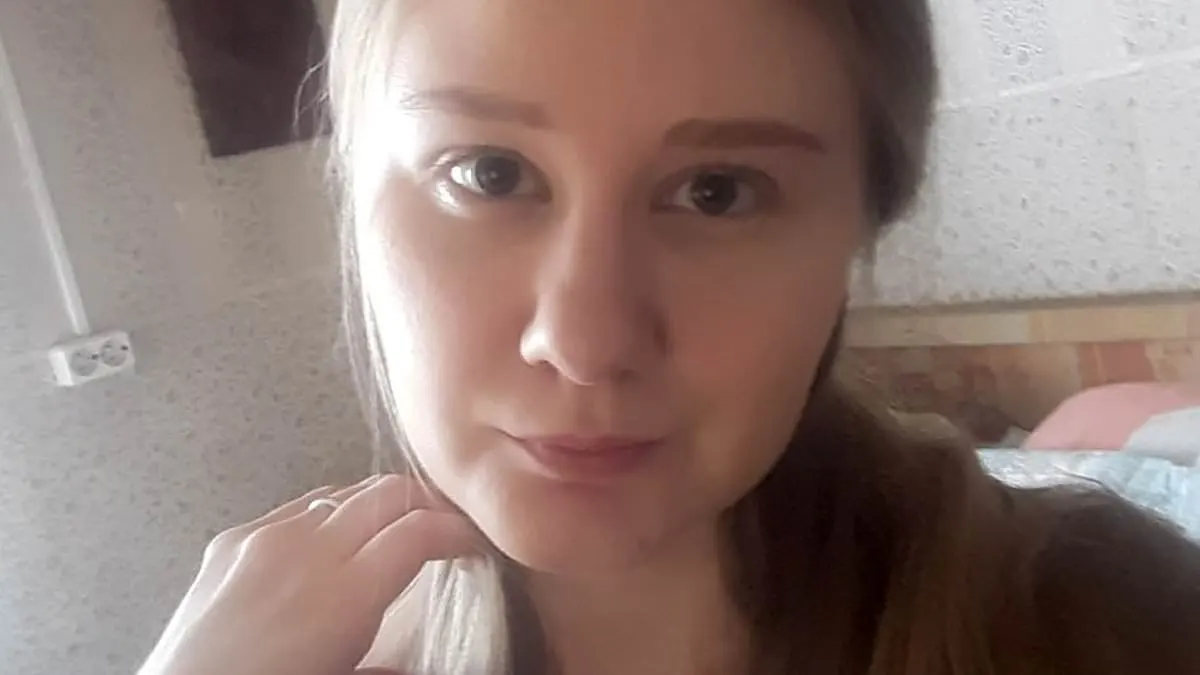
Darya Shipilova, a 28-year-old researcher at a Siberian anti-plague institute, died in hospital on 2 October after being admitted with pneumonia several days earlier. Russian authorities have described the cause only as “pneumonia of unknown origin”, leaving the pathogen unidentified and prompting questions about how transparently the case is being handled.
The World Health Organisation says it still lacks enough information to determine the cause and has called for further investigation. Russian health officials report conducting more than 5,500 tests, with no dangerous pathogens detected; the WHO says more clinical, epidemiological and laboratory information is needed. Initial reports of pneumonic plague remain unconfirmed, and Shipilova’s mother rejected claims that a broken test tube caused an infection, while her father and brother have declined to comment.
- A Siberian researcher died after developing unexplained pneumonia.
- The pathogen has not been publicly identified.
- The WHO says further evidence is needed.
New here? Start with this
A 28-year-old researcher named Darya Shipilova died in hospital on 2 October after being admitted with pneumonia. She worked at a Siberian institute that specialises in research on dangerous infectious diseases, including plague. The specific cause of her death has not been identified.
Russian health officials have described the cause as "pneumonia of unknown origin" and say more than 5,500 laboratory tests found no dangerous pathogens. The World Health Organisation has said it lacks sufficient information to determine what actually caused her death and called for further investigation. Initial reports of pneumonic plague remain unconfirmed.
The circumstances of the death—including the lack of clarity about the cause and Shipilova's workplace at an institute specialising in dangerous diseases—have drawn international attention. Her family has largely declined to discuss the incident, with her mother rejecting certain claims about how infection may have occurred whilst her father and brother have not commented.
Both sides, in good faith
The strongest fair case each way — we don't pick a winner.
The case for
The death of a young scientist at a specialised anti-plague institute from pneumonia of unknown origin raises legitimate transparency concerns, particularly given Russia's documented history of restricted information sharing on sensitive matters. The international health community's need for information to assess potential threats at such a facility should take priority, and the absence of a clear official account, combined with the family's public silence, reasonably invites scrutiny about what authorities may be withholding.
The case against
Unexplained pneumonia deaths occur without conspiracy, and Russian authorities have conducted over 5,500 tests yielding no dangerous pathogens. The WHO has not alleged a cover-up but merely stated it needs more information to reach conclusions. Assuming institutional deception without evidence conflates opacity with actual wrongdoing, and the bereaved family's privacy deserves respect rather than speculation.