Science news and discussion on TalkFuse.
What’s gone wrong at Britain’s worst bathing site?
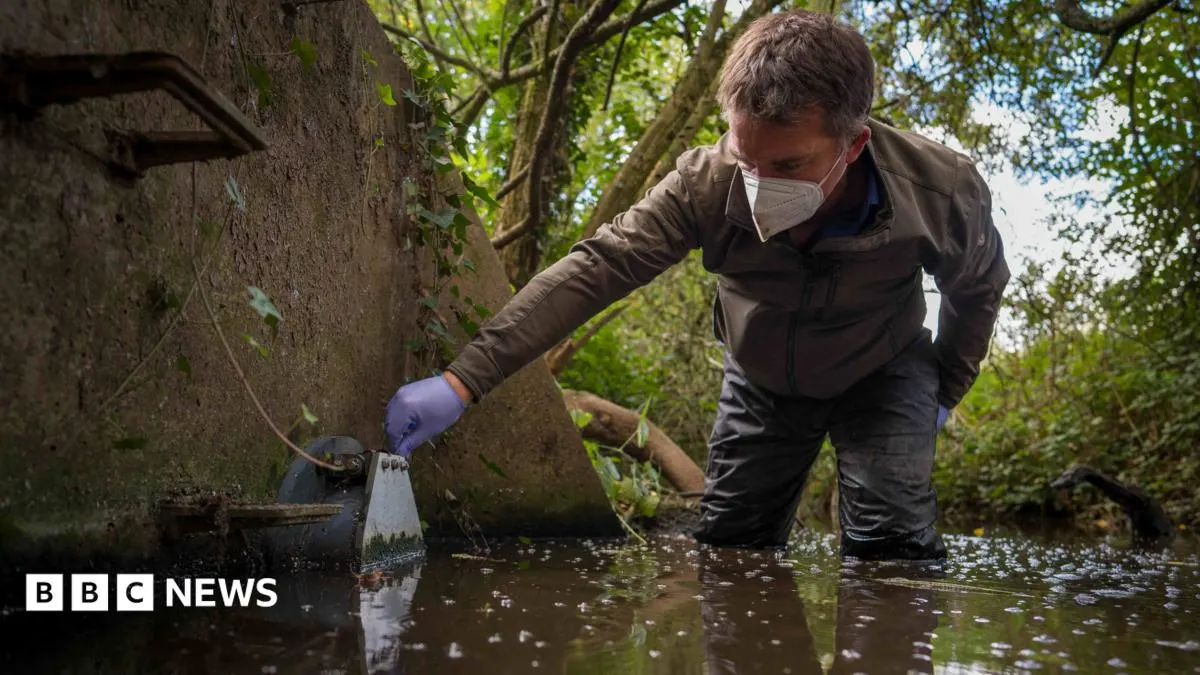
French Weir Park on the River Tone in Taunton had the UK’s highest bathing-site failure rate in 2026, raising concerns about what is polluting the water and the health risks for swimmers. The BBC investigated whether treated sewage discharges may be contributing, as regular swimmers describe avoiding the river at times and one reported becoming ill after a dip.
The site failed water-quality tests on 13 of 19 sampling days, a 68% failure rate. Tests measure faecal bacteria, including E. coli and intestinal enterococci, which may come from people, animals, farming or septic tanks. Across the UK, more than 10% of coastal bathing sites and 37% of inland sites failed minimum standards; BBC sampling found about 240,000 E. coli colony-forming units per 100ml in treated water from the nearest sewage works, around 250 times a stated comparison level.
In short
- Taunton’s French Weir Park failed 68% of its 2026 water tests.
- Treated water from a nearby sewage works had high E. coli levels.
- Pollution may also come from farms, wildlife or septic tanks.
Steelman: both sides, in good faith
The strongest fair case each way — we don't pick a winner.
The case for
The repeated failures and very high E. coli reading near the sewage works make treated sewage discharges a reasonable focus of concern, particularly because swimmers can face health risks from faecal bacteria. Investigating whether those discharges contribute could help identify pollution sources and support stronger monitoring or controls where needed.
The case against
The results do not establish that treated sewage caused the river’s failures: faecal bacteria can also come from livestock, wildlife, farming or septic tanks, and the reported sewage sample alone cannot show how much reached the bathing site. A fair account should identify and measure all plausible sources before assigning responsibility or choosing remedies.