Poundland’s owner seeks a buyer as Chris Dawson weighs store bid
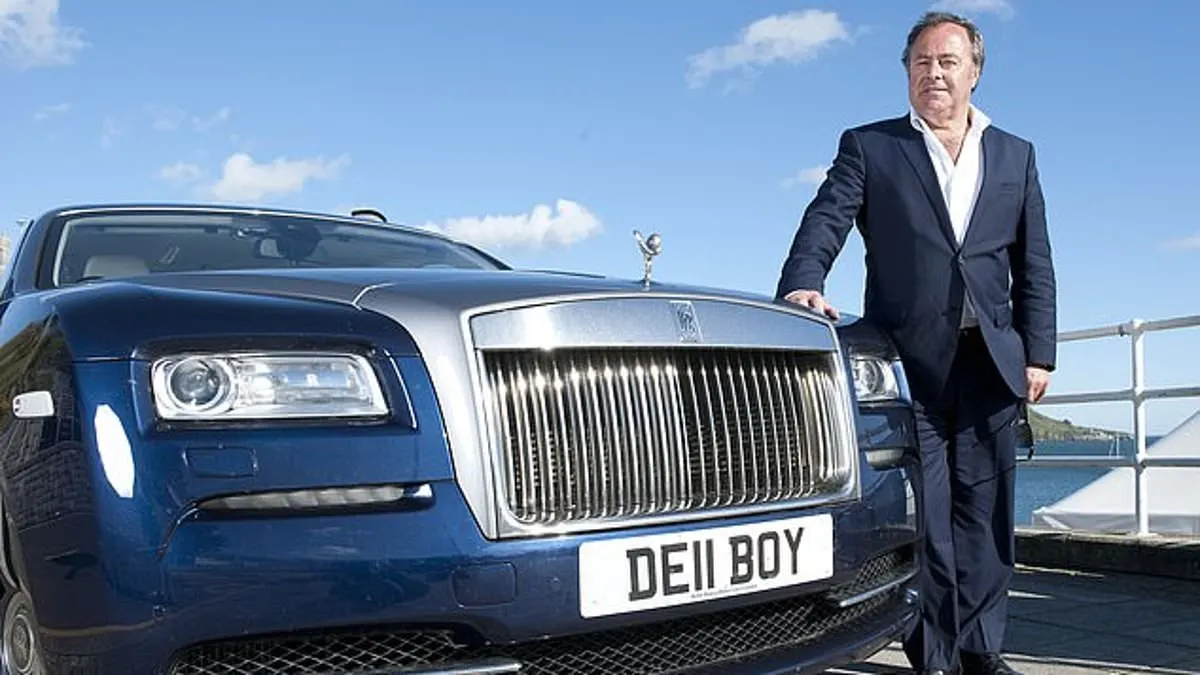
Poundland is up for sale after struggling to recover from weak consumer spending and rising costs, with owner Gordon Brothers seeking a buyer ahead of Christmas. Chris Dawson, who owns The Range, Homebase and Wilko, is reportedly considering buying some of its shops, while other parties are interested in parts or all of the chain.
Founded in 1990, Poundland was bought for a nominal €1 in 2025 after narrowly avoiding administration. It has since closed 149 stores, with 2,200 job losses; pressures include higher wages and employer National Insurance, fewer £1 products and competition from online retailers. The company recently reported fourth-quarter like-for-like sales growth of 3.3 per cent, or 6.4 per cent on an adjusted basis, as Lidl is also said to be interested in some stores.
- Poundland’s owner is seeking a buyer for the struggling retailer.
- Chris Dawson may bid for some shops; Lidl is also interested.
- Sales recently returned to growth after 149 store closures.
New here? Start with this
Poundland is a British discount retailer, founded in 1990, that sells everyday goods through a national chain of shops. Its business depends on keeping prices low while attracting enough customers to cover the costs of running stores and employing staff.
The chain has faced weak consumer spending, higher operating costs and competition from online retailers. Since it was bought by investment firm Gordon Brothers in 2025, Poundland has closed 149 shops and cut 2,200 jobs. Store closures and ownership changes can affect staff, shoppers and town centres, as well as the availability of low-cost goods.
Chris Dawson owns The Range, Homebase and Wilko, while Lidl is a supermarket group. Their reported interest reflects the possibility that buyers may want particular shops or parts of a chain rather than the whole business.
Both sides, in good faith
The strongest fair case each way — we don't pick a winner.
The case for
Selling Poundland could give it a better chance of survival if a buyer has the capital and retail expertise to address weak spending, rising costs and online competition. A sale of the whole chain or selected shops might preserve viable locations and jobs while allowing the business to focus on areas where it can compete.
The case against
A sale, particularly if buyers take only selected shops, could bring further closures and job losses for staff and disruption for communities that rely on local stores. Given recent like-for-like sales growth, critics could argue that the chain should have more time to recover under its current owner rather than risk losing a recognisable national retailer through a piecemeal break-up.
Read the full article at the source →
Originally published by Daily Mail as “What’s gone wrong at Poundland and will Britain’s ‘Del Boy billionaire’ ride to the rescue?”.