What’s the difference between alkaline and lithium-ion batteries?
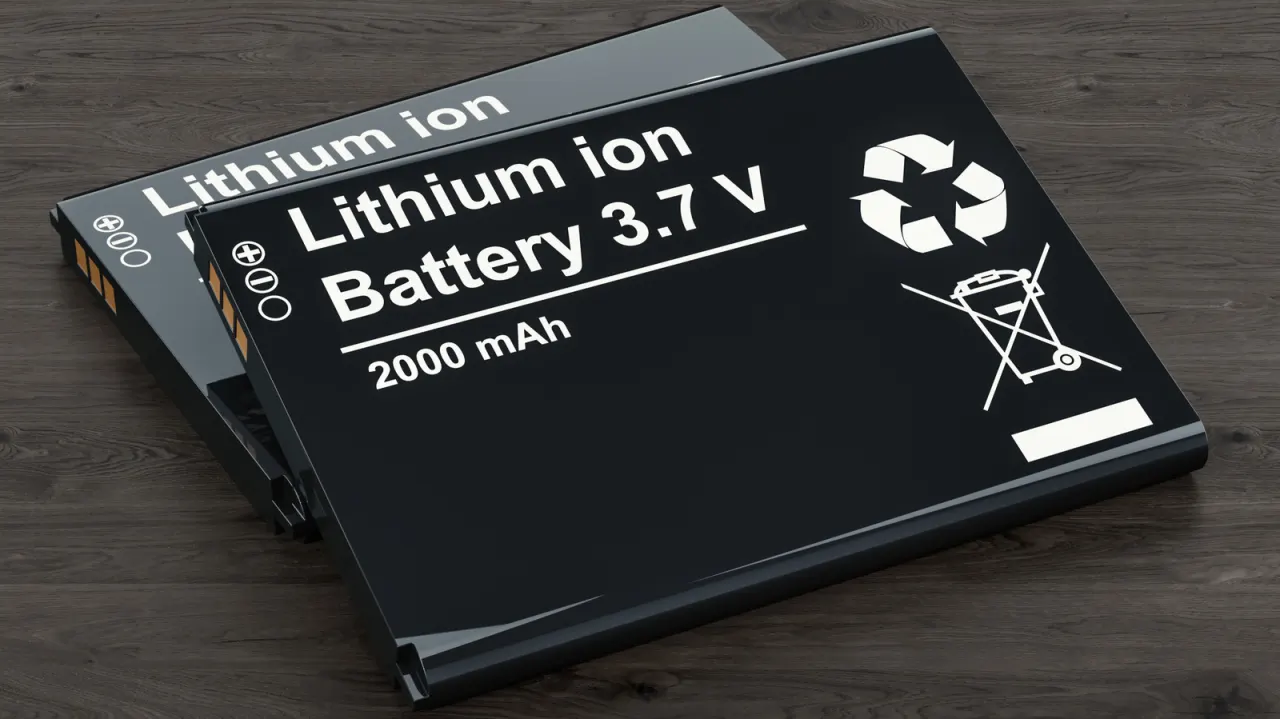
Alkaline and lithium-ion batteries suit different devices: alkaline cells are inexpensive, usually single-use choices for low-drain gadgets, while rechargeable lithium-ion batteries power devices such as phones, laptops and tools. Choosing the right type matters for runtime, recharging and safe handling.
Disposable lithium AA and AAA cells are distinct from lithium-ion batteries: they cost more than alkalines and can suit high-drain devices or extreme temperatures, if the manufacturer allows them. Rechargeable Ni-MH AA and AAA cells are another option for devices that frequently need fresh batteries, though their typical 1.2-volt output may not suit every product. Never charge disposable cells or put lithium-ion batteries in household rubbish; take them to a suitable recycler or participating retailer.
- Alkalines suit low-drain everyday devices.
- Lithium-ion batteries are rechargeable and pack more energy.
- Check device guidance and recycle lithium-ion cells safely.
New here? Start with this
Batteries power everyday devices, but they come in different types suited to different uses. The two most common varieties are alkaline batteries, which you'll find in remote controls and toys as affordable, single-use cells, and lithium-ion batteries, which power your smartphone, laptop and cordless drill. Understanding the difference matters because they perform very differently in how long they last and whether they can be recharged.
Alkaline batteries are cheap and work well for low-power gadgets or devices you don't use constantly. Lithium-ion batteries, by contrast, are rechargeable and powerful, ideal for devices you use frequently or that demand lots of energy. There are also disposable lithium cells and rechargeable nickel-metal hydride options that offer different combinations of cost, performance and environmental impact, depending on what you need.
How you dispose of batteries is important for safety and the environment. Never throw lithium-ion batteries in your household rubbish or try to recharge disposable cells, as both pose fire risks. Most retailers and recycling centres will accept spent batteries for proper disposal, ensuring they cannot cause harm and that their materials are recovered for reuse.