What’s the difference between Android Automotive and Google Built-In?
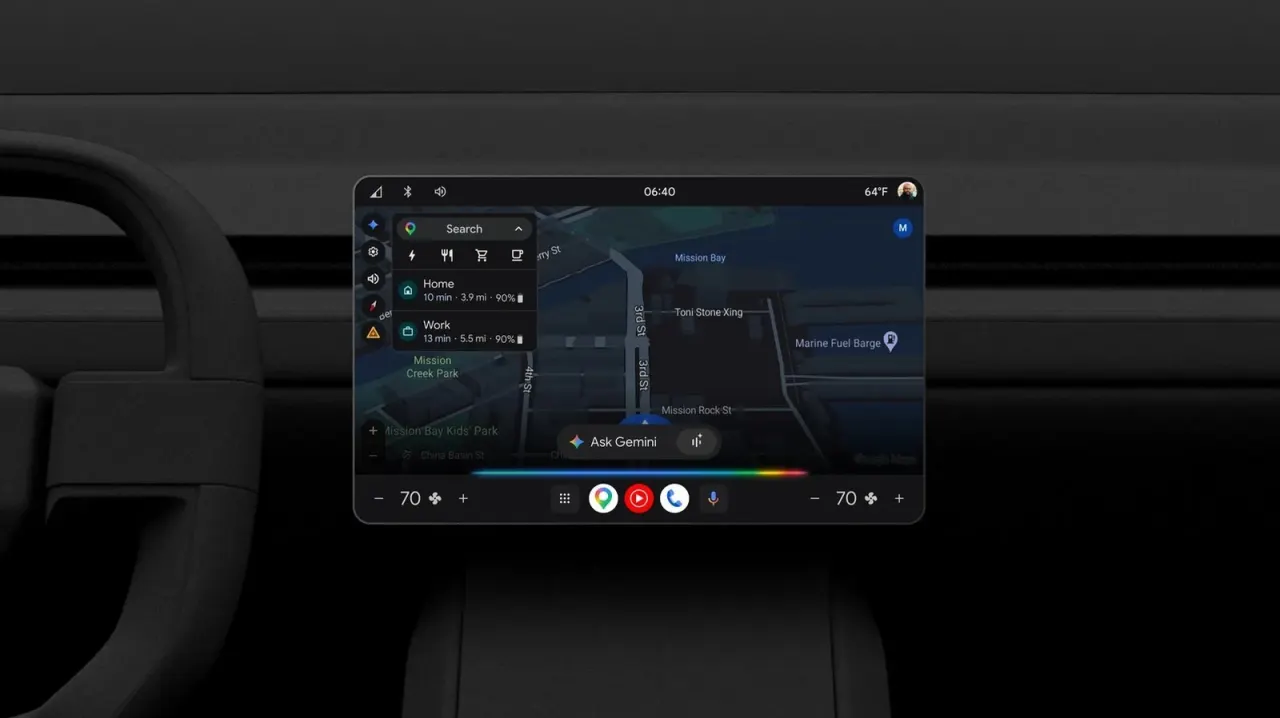
Car manufacturers are increasingly moving away from phone mirroring applications like Android Auto towards native in-car operating systems. Google provides two options for manufacturers: Android Automotive Operating System (AAOS), an open-source platform manufacturers customise for their brands, and Google Built-in, a suite of licensed applications. Understanding the difference matters because these systems fundamentally change how drivers interact with their vehicles and handle their data.
Android Automotive is a full-stack operating system that manufacturers heavily customise to control everything from radio and climate to cameras and instrument clusters. Google Built-in, launched in 2020, consists of licensed applications including Google Maps, Gemini (replacing Google Assistant), and Google Play Store access, with 16 brands currently offering it such as Honda, Volvo, Chevrolet and Nissan. Google's addition of AI features like Gemini to Google Built-in continues to expand the distinctions between these approaches.
- Android Automotive is a customisable operating system; Google Built-in is licensed apps.
- Sixteen car brands now offer Google Built-in services with Maps and Gemini.
- Manufacturers are replacing phone mirroring with native in-vehicle infotainment systems.
New here? Start with this
For years, drivers connected their smartphones to car systems through mirroring apps that displayed their phone's screen on the vehicle's dashboard. Car manufacturers are increasingly abandoning this approach in favour of operating systems built directly into vehicles. Google offers manufacturers two distinct paths for this transition, each fundamentally different in how the car's software is controlled and what it can do.
Android Automotive Operating System is the underlying software that runs a vehicle's computer systems, much like how Android powers smartphones. Manufacturers who choose this approach customise it extensively to fit their brand, controlling everything from the radio and climate settings to the cameras and driver information displays. This allows each car maker to create a unique experience while using Google's base technology.
Google Built-In, by contrast, is a suite of applications rather than a complete operating system. Launched in 2020, it includes Google Maps for navigation, Google's Gemini assistant for voice control, and access to Google Play Store for additional apps. Sixteen vehicle brands now offer Google Built-In, including Honda, Volvo, Chevrolet and Nissan, and it represents a different way for manufacturers to incorporate Google's services without rebuilding their entire car software systems.