Politics news and discussion on TalkFuse.
Where Albanese must stop wasting your money as mortgage payments climb – as economist points the finger at government spending
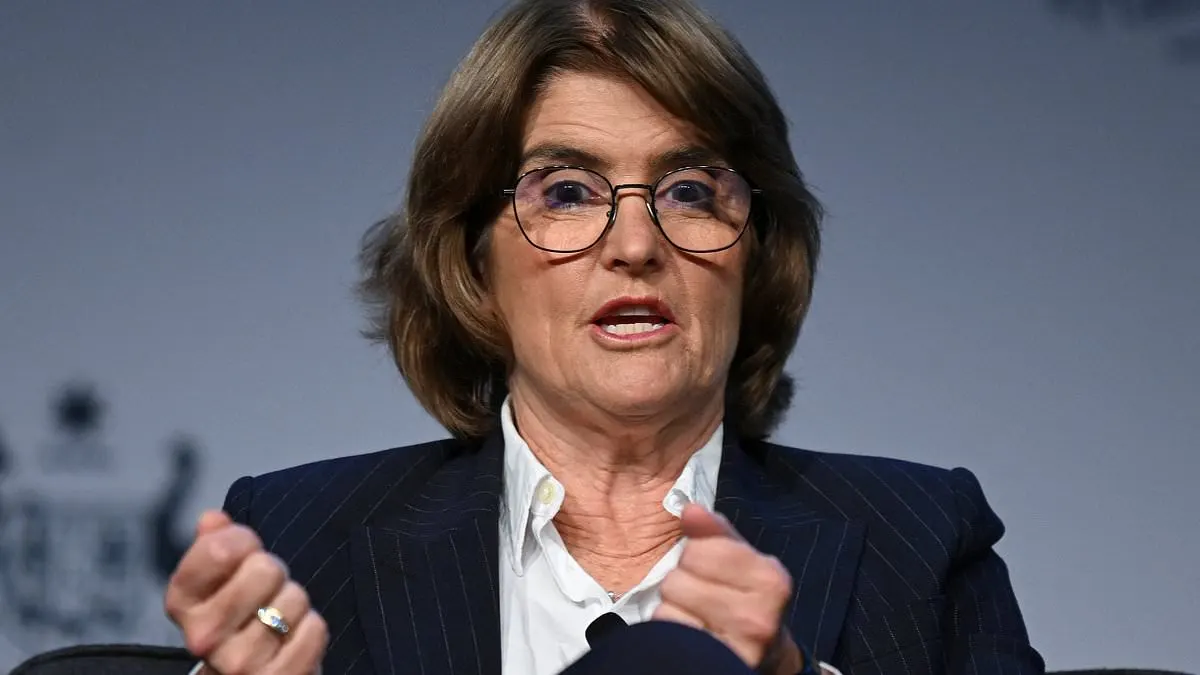
AMP economist Shane Oliver argues that high government spending is adding to inflation and that the Reserve Bank’s rate rises are one consequence, leaving mortgage holders to shoulder higher repayments. His comments follow criticism of Governor Michele Bullock after she said she was most concerned about low-income renters facing cost-of-living pressures.
Oliver said the Reserve Bank has limited tools to curb inflation, while Treasurer Jim Chalmers could consider reducing spending in areas such as the National Disability Insurance Scheme, subsidies, energy rebates and government administration. The article says five quarter-point rises would add about $473 a month to repayments on a $600,000 mortgage, assuming a rate increase from 5 to 6.25 per cent on a 30-year principal-and-interest loan.
In short
- Economist links government spending to inflation and rate rises.
- Five quarter-point rises add about $473 monthly to a $600,000 mortgage.
- Suggested savings include NDIS costs, subsidies and government administration.
Steelman: both sides, in good faith
The strongest fair case each way — we don't pick a winner.
The case for
Those who favour reducing government spending argue that broad public demand can add to inflation, making it harder for the Reserve Bank to bring prices under control without raising interest rates. Targeted restraint in programmes, subsidies or administration could ease that pressure and reduce the burden higher repayments place on mortgage holders, while leaving room to protect people most in need.
The case against
Those who oppose cuts argue that spending on disability support, energy relief and public services serves people who may already be under financial strain, and that reducing it could shift rather than solve the cost of living burden. They may also question whether spending cuts would lower inflation enough to spare mortgage holders, especially when the article does not establish how much each programme contributes to price pressures.
Explained simply
Australia’s government sets taxes and spending, while the independent Reserve Bank of Australia sets interest rates to keep inflation under control. Treasurer Jim Chalmers oversees the federal budget, and Michele Bullock leads the Reserve Bank.
Economist Shane Oliver argues that government spending can add to demand and inflation, making it harder for the Reserve Bank to bring prices down. The bank’s main tool is raising interest rates, which can increase repayments for people with mortgages; renters and lower-income households can also face pressure from rising living costs.
The debate is about how to balance public services and support with efforts to curb inflation. The National Disability Insurance Scheme, energy rebates, subsidies and government administration are among the areas Oliver says could be considered when reviewing spending.