Who, Me? Techie sent to fix Nobel Prize winner’s PC almost set it on fire
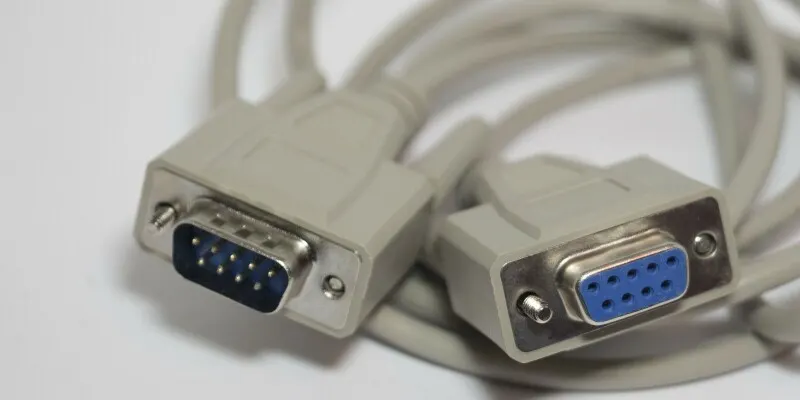
A Register "Who, Me?" column recounts a reader's early-1990s mishap while working as a PC support technician for professors at his university's graduate school, one of whom later won a Nobel Prize. Sent to fix a faulty mouse on an IBM PC running an Intel 286 processor, he plugged the replacement into a physically identical but wrongly wired nine-pin port, causing the machine to emit smoke before he yanked the power cord free.
The confusion arose because IBM's proprietary mouse connector used a different pin for power than a standard RS-232 serial port, despite looking the same. After unplugging the cord and reassessing, the technician identified his mistake, corrected the connection, and found the PC and mouse both worked fine afterwards with no lasting damage, quietly airing out the office before the professor returned.
In short
- Techie's mouse fix nearly set a future Nobel laureate's PC on fire
- Cause: mismatched pinning on identical nine-pin IBM connectors
- Quick unplugging prevented damage; mouse worked fine after
Explained simply
In the early 1990s, universities were increasingly using personal computers for teaching and research. A support technician might be called to fix a fault or connect a replacement part, such as a mouse, to a professor’s machine.
Some computer ports had the same shape but used different wiring. IBM’s mouse socket and a standard serial port both had nine pins, but sent electrical power through different pins, so connecting a device to the wrong one could damage equipment.
The professor in this account later became a Nobel Prize winner, but the incident concerns a routine support job at the time. It illustrates how similar-looking computer connections could cause problems before ports and accessories became more standardised.