Who pays for US power boom? Blue, red states offer starkly different ways to lower utility bills amid AI surge
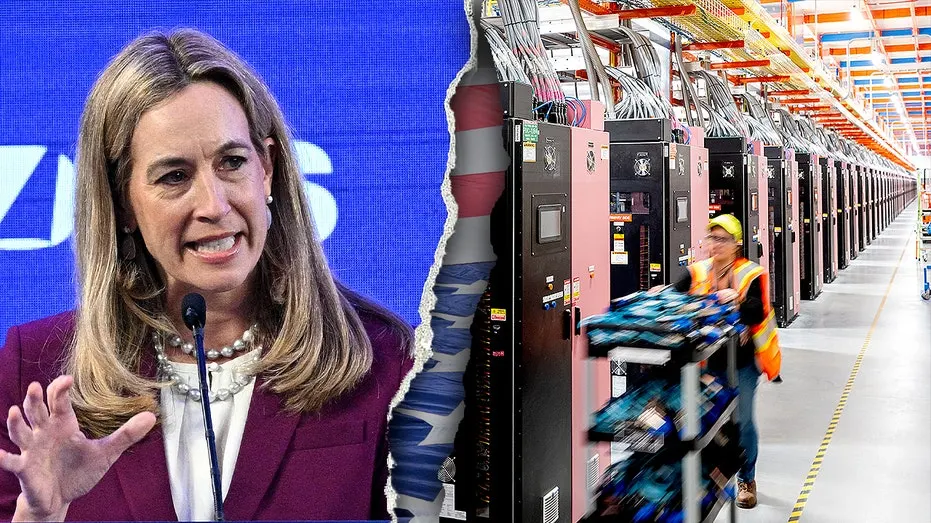
As artificial intelligence-driven demand for electricity surges across the United States, New Jersey and Indiana have adopted contrasting strategies to stop the cost of powering vast data centres from being passed on to ordinary households. New Jersey has opted for a top-down regulatory approach, with Democratic Governor Mikie Sherrill signing legislation requiring statewide rules before large data centres can connect to the grid, while Indiana has allowed a utility-led negotiated settlement to guide how costs are shared, reflecting a broader divide between prescriptive state intervention and market-based agreements.
Under New Jersey's law, signed in July, regulators must create a separate rate structure for large data centres and ensure grid upgrades built mainly for their benefit are not billed to other customers, while operators must commit to paying for at least 85% of requested power capacity over ten years and report energy and water usage twice yearly. In Indiana, regulators approved a deal between utility Indiana Michigan Power, consumer advocates and tech firms including Amazon and Google, which are building an $11 billion and $2 billion data centre respectively; the utility is now seeking a $59 million rate cut for 2027, which it says could save an average household around $100 a year, alongside a proposed three-year rate freeze. Energy advocate Daniel Turner said Indiana's collaborative approach was preferable, though he argued neither state had done enough to ensure new data centres add generation capacity to the grid rather than simply drawing from it.
- New Jersey and Indiana take opposing approaches to AI-driven electricity demand.
- New Jersey mandates strict statewide rules; Indiana relies on negotiated utility deals.
- Indiana's deal could cut household bills by roughly $100 annually.
New here? Start with this
Data centres are large buildings filled with computer servers that store information and run online services, including artificial intelligence tools. They use substantial amounts of electricity, and connecting new centres can require upgrades to power lines and other parts of the grid.
The cost of supplying electricity is shared through utility bills, so a key question is whether households could end up paying for infrastructure built mainly to serve data centres. New Jersey’s approach gives state regulators a central role in setting rules, while Indiana has relied on an agreement involving its utility, consumer advocates and technology companies.
The choices matter as data centre development increases demand for power across the United States. They show different ways states can decide how the costs and responsibilities of meeting that demand are divided.
Both sides, in good faith
The strongest fair case each way — we don't pick a winner.
The case for
New Jersey’s statewide rules could give households clearer, enforceable protection by requiring data centres to cover the grid upgrades they chiefly require and commit to paying for most of the capacity they reserve. Supporters may argue that consistent regulation is fairer than relying on individual negotiations, especially when the costs of rapid expansion could otherwise be spread across ordinary customers.
The case against
Indiana’s negotiated settlement may offer a more adaptable way to balance consumer protection with the practical needs of utilities and data centre operators. Supporters may point to the proposed rate cut and freeze as tangible near-term benefits, and argue that collaboration can secure workable commitments without imposing a statewide framework before regulators know how costs and demand will develop.