WHO says unconfirmed cause limits assessment of Russian researcher’s death
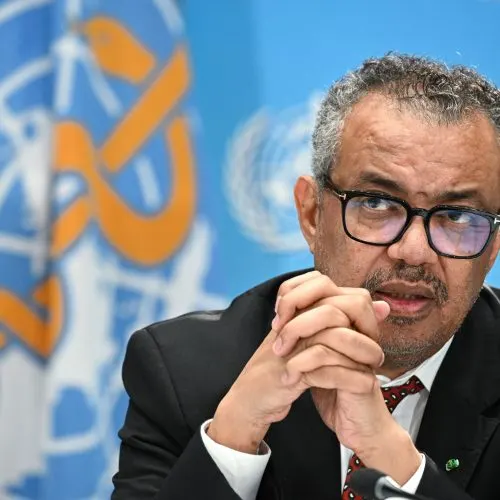
The WHO says it cannot assess the risk posed by a Russian infectious disease researcher’s death or judge whether Russia’s response was adequate because no cause of death has been confirmed. The agency has found no evidence of ongoing transmission, but says its assessment is limited by uncertainty about the source and route of exposure.
Russian authorities said the researcher died of severe pneumonia of undetermined cause, and that tests for high-threat pathogens, including plague, were negative. They reported conducting 5,500 tests on contacts, finding cases of COVID-19, rhinovirus and Haemophilus, among other results; contacts were monitored for seven days and were no longer under monitoring by 9 October. Authorities also said the worker was vaccinated against plague and that no laboratory safety incident occurred.
- WHO says the cause of the Russian researcher’s death remains unconfirmed.
- No ongoing transmission or high-threat pathogen has been identified.
- Russian authorities reported 5,500 tests on contacts.
New here? Start with this
A Russian infectious disease researcher has died, but health authorities have not confirmed the cause of death. Initial investigations suggested severe pneumonia, but the exact cause remains unclear. This uncertainty has drawn international attention because of concerns about laboratory safety and potential disease outbreaks.
Deaths of researchers working with dangerous pathogens can raise questions about how laboratory incidents are handled and whether disease outbreaks might occur. The World Health Organisation is monitoring the situation. International agencies have an interest in understanding what happened and how effectively Russian authorities have responded.
Russian officials report that tests ruled out plague and other serious pathogens that the researcher might have encountered. The researcher was vaccinated against plague, and authorities found no evidence of a laboratory safety incident. Officials traced and monitored the researcher's contacts, identifying only common viruses like rhinovirus and COVID-19.
Both sides, in good faith
The strongest fair case each way — we don't pick a winner.
The case for
The unconfirmed cause of death at an infectious disease research facility legitimately warrants careful scrutiny, particularly in biosafety matters affecting global health security. Without understanding what actually killed the researcher, independent observers cannot properly assess whether containment protocols functioned adequately or whether there are gaps that might affect public safety. Scientific rigor demands transparency about such deaths, especially when they occur at facilities handling dangerous pathogens, as the cause may bear directly on institutional safety standards.
The case against
Extensive testing has ruled out high-threat pathogens and the WHO found no evidence of ongoing transmission despite investigation, suggesting the incident posed no significant public health risk. Pneumonia of undetermined cause is clinically common and not inherently suspicious; with over 5,500 contacts tested and monitored without findings of dangerous pathogen spread, the available evidence points to an unfortunate but isolated medical event rather than a containment failure. Calling for alarm without evidence of actual transmission or safety breach risks promoting unfounded concern over what appears to be thorough, responsible crisis management by Russian authorities.
Read the full article at the source →
Originally published by Ars Technica as “WHO report on Russian lab worker death highlights “key uncertainty””.