World news and discussion on TalkFuse.
Whole Hog Politics: A lazy person’s guide to election night
Developed over time first seen 5 days ago
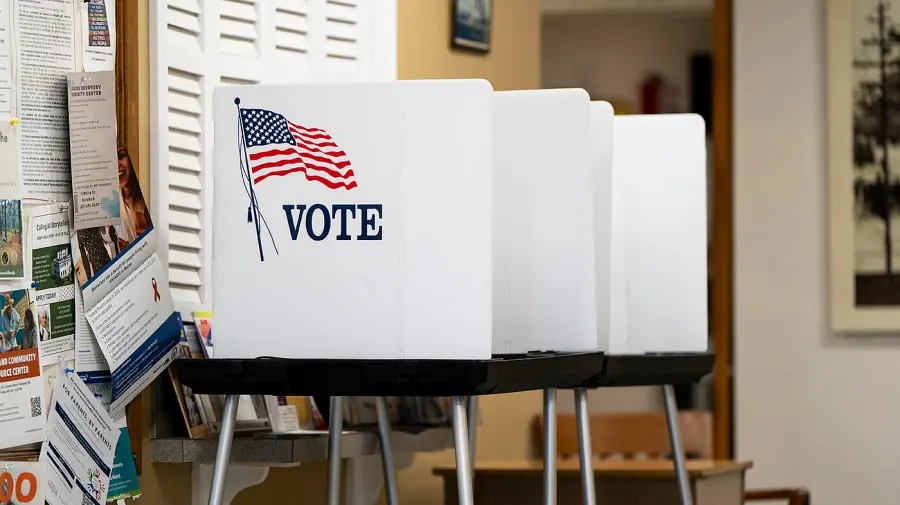
Ahead of the 3 November 2026 US midterm elections, Chris Stirewalt presented an election night guide for readers who want to follow the results without tracking every poll or campaign development. The central question was whether Republicans would retain control of Congress. Democrats needed a net gain of three seats to take the House of Representatives and four to take the Senate, making a small number of competitive races especially consequential.
The order in which states closed their polls offered a way to follow the night: early results from eastern states could provide clues about the national mood, while closely fought contests elsewhere might take longer to settle. Individual results would need careful interpretation, since a strong showing in one district would not by itself establish a nationwide trend. The guide was published on 30 October, before voting, so its assessments were a framework for watching the returns rather than an account of the outcome.
- Sources
- 2
- Outlets
- 2
- Left · Centre · Right
- 0 · 0 · 2
In short
- The guide framed election night around control of Congress.
- Democrats needed three House seats and four Senate seats to gain majorities.
- Early returns could offer clues, but close races might remain unresolved.
How this story developed
- 3 hours ago Ahead of the 3 November 2026 US midterm elections, Chris Stirewalt presented an election night guide for readers who want to follow the results without tracking every poll or campaign development. The central question was whether Republicans would retain control of Congress.
Explained simply
US midterm elections take place halfway through a president’s four-year term. Voters choose all members of the House of Representatives and about a third of the Senate, the two chambers that make up Congress.
At the time of this guide, Republicans held both chambers, while Democrats needed to gain three House seats and four Senate seats to take control. The parties’ candidates competed in races across the country, but only a small number were expected to be close enough to affect control of Congress.
Polls close at different times across the United States, so early returns can offer clues about turnout and voter preferences. Each result needs to be considered in the context of its own district or state; one contest alone cannot show how the whole country voted.
Coverage · 2 sources
Bias meters
From 2 rated sources.
Americas Elections Government Politics World