Why are more movies not shot in IMAX?
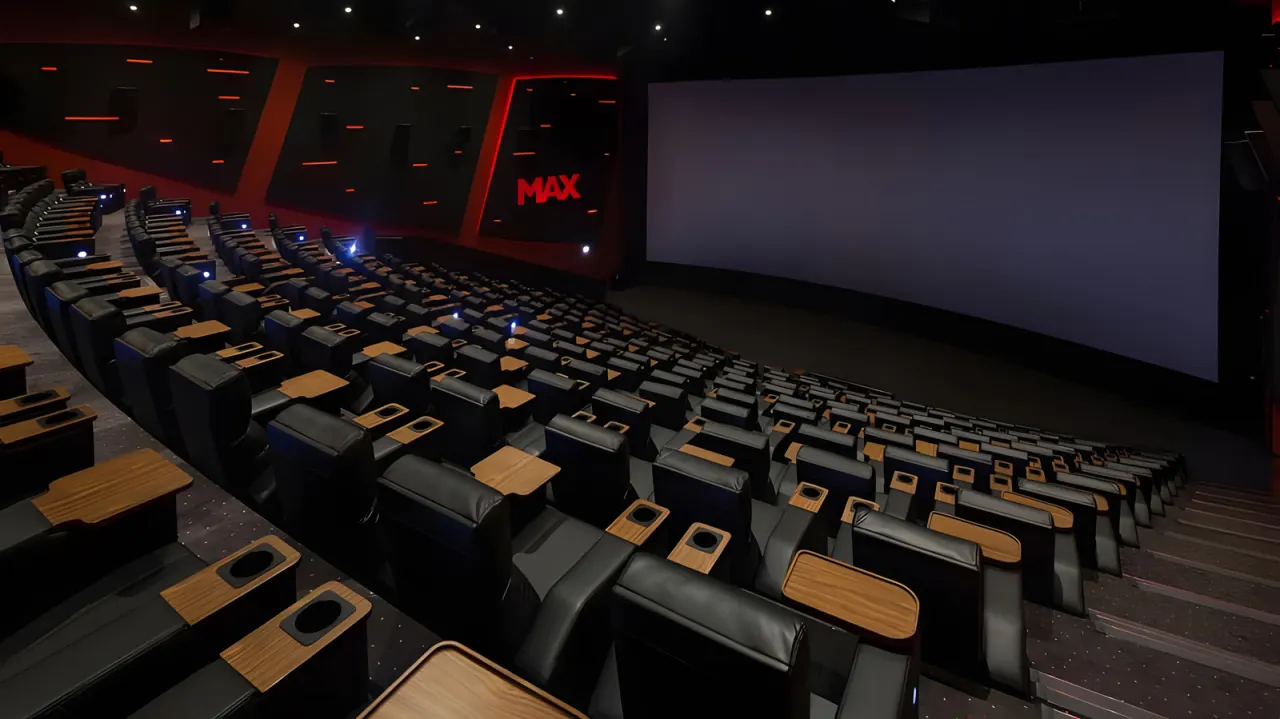
Shooting films in true IMAX remains rare because the format demands specialist equipment, huge budgets and technical trade-offs that most Hollywood productions avoid. While the results are visually striking, IMAX film cameras are bulkier, heavier and noisier than standard cameras, making them impractical for smaller sets or fast-paced action sequences, and only directors such as Christopher Nolan have consistently embraced the format.
IMAX dates back to 1970, starting with documentaries and educational shorts rather than mainstream cinema, and has never achieved widespread adoption. Its 65-70mm film stock delivers superior image quality but holds less footage than standard 35mm, forcing frequent stoppages, as experienced by Tom Holland during filming of Nolan's The Odyssey, where the IMAX Keighley camera used weighs nearly 400 pounds. Most cinemas also lack the projection equipment to show true 15/70 IMAX, limiting audiences further, while Hollywood's broader shift towards lighter, quieter digital cameras since the 2000s has made traditional IMAX filming feel increasingly impractical for most producers.
- IMAX filming requires bulky, expensive, specialist cameras and film stock
- Few cinemas can even project true IMAX format footage
- Digital cameras' convenience has made IMAX film increasingly niche
New here? Start with this
IMAX began in 1970, mainly making documentaries and educational films. Its large-format film can capture very detailed images, but the cameras and film are much bigger than those used for most films.
The cameras are heavy and noisy, and each reel holds less footage, so filming can involve frequent pauses and be difficult on small sets or during fast action. The equipment and production costs also put the format beyond many film budgets.
Most cinemas cannot project the original large-format IMAX film, so relatively few viewers can see it as intended. As film-makers have moved towards lighter, quieter digital cameras, only a small number, including Christopher Nolan, have regularly chosen to shoot on IMAX film.
Both sides, in good faith
The strongest fair case each way — we don't pick a winner.
The case for
Advocates for wider IMAX adoption argue that the format's unparalleled visual fidelity and immersive theatrical experience justify the technical and financial investment. Christopher Nolan has demonstrated the challenges are manageable for directors genuinely committed to their craft, and audiences consistently respond with appreciation that reflects its genuine value. Rather than accepting the convenience of standard formats, filmmakers should embrace IMAX as a way to elevate cinema itself and deliver audiences an experience that genuinely matters.
The case against
Producers reasonably counter that IMAX's constraints make widespread adoption impractical and economically unsound. The equipment's bulk and weight disrupt production schedules; the film stock's limited capacity forces costly stoppages; and since most cinemas lack proper projection equipment, audiences never experience the investment. Given modern digital cinematography's flexibility at far lower cost, producers are justified in reserving IMAX for rare projects where its benefits clearly outweigh the logistical burden and expense.