Culture news and discussion on TalkFuse.
Why are people attacking food delivery robots?
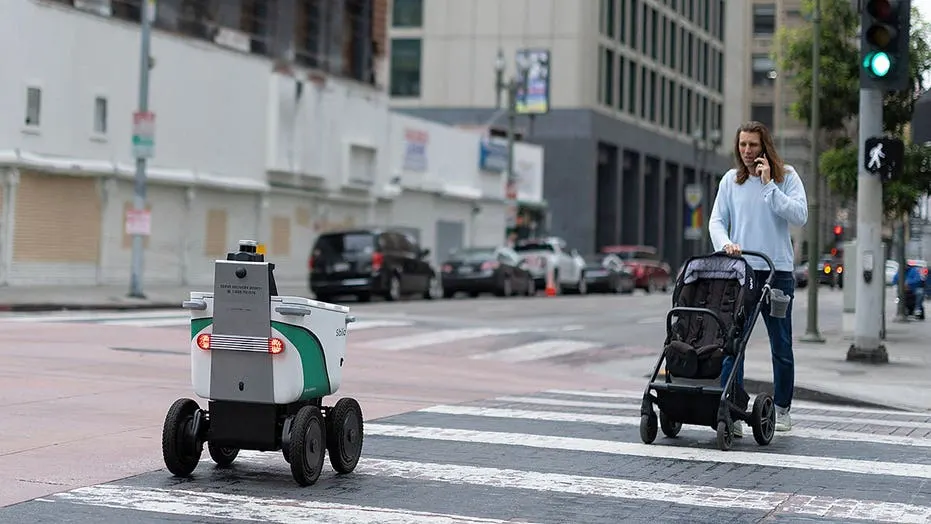
Food delivery robots have been kicked, toppled and blocked in several US cities, with some attacks shared widely online. The incidents reflect frustration with automation appearing in public spaces and concerns that robots could take work away from human delivery drivers.
In Philadelphia, an Uber Eats robot was kicked twice in late March 2026 and knocked over; those involved later righted it. The article also describes the arrest on 14 October of 78-year-old retired University of Pennsylvania professor Carolyn Marvin, who deliberately blocked a robot to protest the replacement of human workers. Pennsylvania law requires delivery robots to yield to pedestrians, and Marvin’s case raises questions about how protests can be conducted legally.
In short
- Delivery robots have been attacked in several US cities.
- Some people see them as a threat to delivery workers’ jobs.
- A Philadelphia arrest has raised questions about legal protest.
Steelman: both sides, in good faith
The strongest fair case each way — we don't pick a winner.
The case for
Food delivery robots may offer a practical, lower-cost way to move orders and could make delivery more efficient for customers and businesses. Their presence need not eliminate human work, and people who object to automation can make their case through lawful protest and public debate rather than damaging or obstructing devices.
The case against
The spread of delivery robots can threaten the livelihoods and bargaining power of human drivers, while shifting the costs of automation onto workers and communities. Their use in shared public spaces also raises questions about access and accountability; protest can draw attention to these concerns, though it must respect laws designed to protect pedestrians and public safety.
Explained simply
Food delivery robots are small, self-driving machines that carry orders along pavements to customers. Companies use them to make deliveries, while human couriers continue to do much of this work.
Their arrival in public spaces has prompted concerns about pavement access and whether automation could reduce work for delivery drivers. In Pennsylvania, robots must give way to pedestrians, and protests involving them can raise questions about what the law allows.