Why are there so many fast charging standards, and what’s the difference between them?
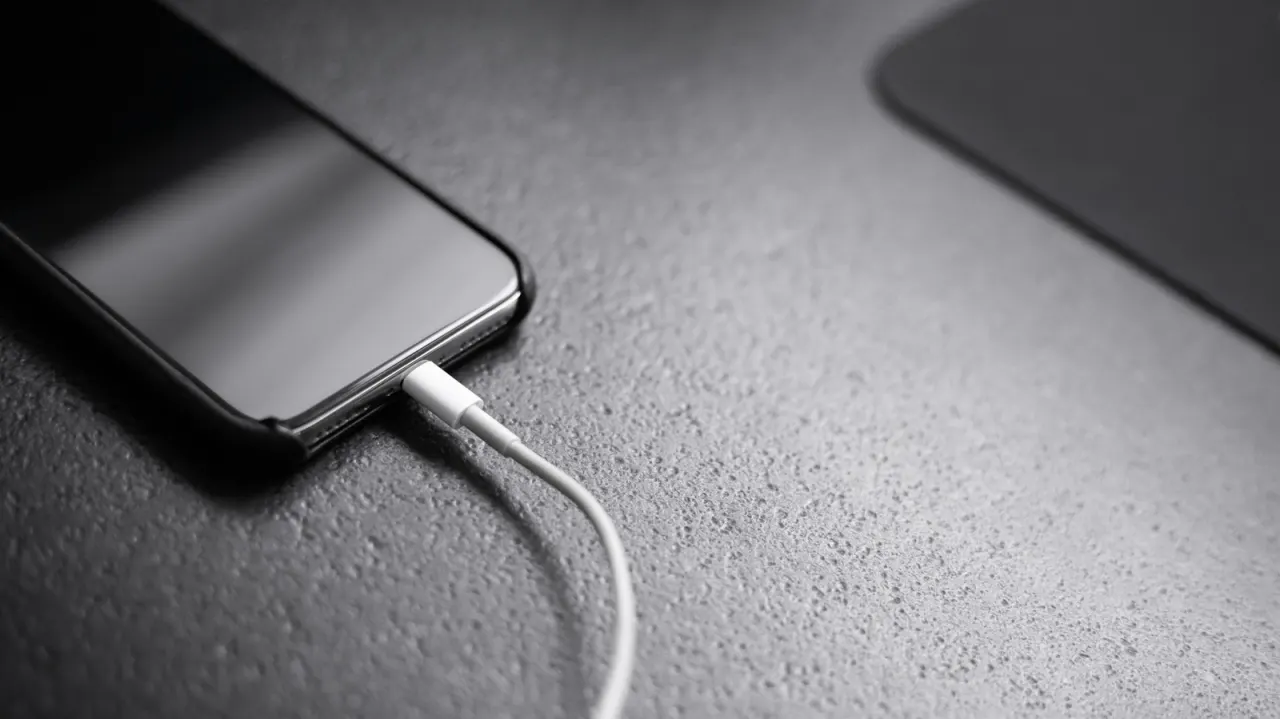
Fast charging has become a confusing landscape of overlapping standards, with terms like USB PD, PPS and SuperVOOC often used loosely by manufacturers. Understanding the differences matters because simply owning a USB-C device or a high-wattage charger does not guarantee fast charging; the phone, cable and charger all need to support the same protocol to achieve advertised speeds.
USB Power Delivery (USB PD) is now the closest thing to a universal standard, used across phones, tablets and laptops, with USB PD 3.1 supporting up to 240W and the newer 3.2 revision extending the spec further, though phones rarely need anywhere near that power. Many Android flagships, including Samsung's Galaxy S26 Ultra and Google's Pixel 11 series, use USB PD's Programmable Power Supply (PPS) feature for more efficient, precise charging, while Qualcomm's Quick Charge has become less dominant as USB PD adoption grows. Some manufacturers, such as OnePlus, Oppo and Xiaomi, still rely on proprietary systems like SuperVOOC and HyperCharge, which typically require matching chargers and cables to hit peak speeds, and advertised wattages such as 80W or 100W are rarely sustained throughout a full charge, tapering off as the battery fills.
- Fast charging involves multiple competing standards, not one universal system
- USB PD, especially with PPS, is now the most widely used protocol
- Proprietary systems like SuperVOOC need matching chargers for top speeds
New here? Start with this
Fast charging is meant to top up a phone or gadget more quickly than a standard charger, but there is no single agreed way of doing it. Instead, several different systems compete, including the widely used USB Power Delivery (USB PD) standard and its PPS variant, alongside brand-specific systems such as Oppo and OnePlus's SuperVOOC. Terms like these are often used loosely by manufacturers, which adds to the confusion for shoppers.
The key point is that fast charging depends on the phone, the cable and the charger all supporting the same protocol at the same time. Having a USB-C port or a powerful-looking charger is not enough on its own, since mismatched equipment can mean a device charges at a fraction of its advertised speed.
This matters because it affects everyday buying decisions, from which charger to pack for travel to whether an expensive high-wattage plug is actually worth it. It also explains why phones from different brands, even when they look similar, can behave very differently when plugged into the same charger.