Technology news and discussion on TalkFuse.
Cheap smart home devices may bring hidden costs over time
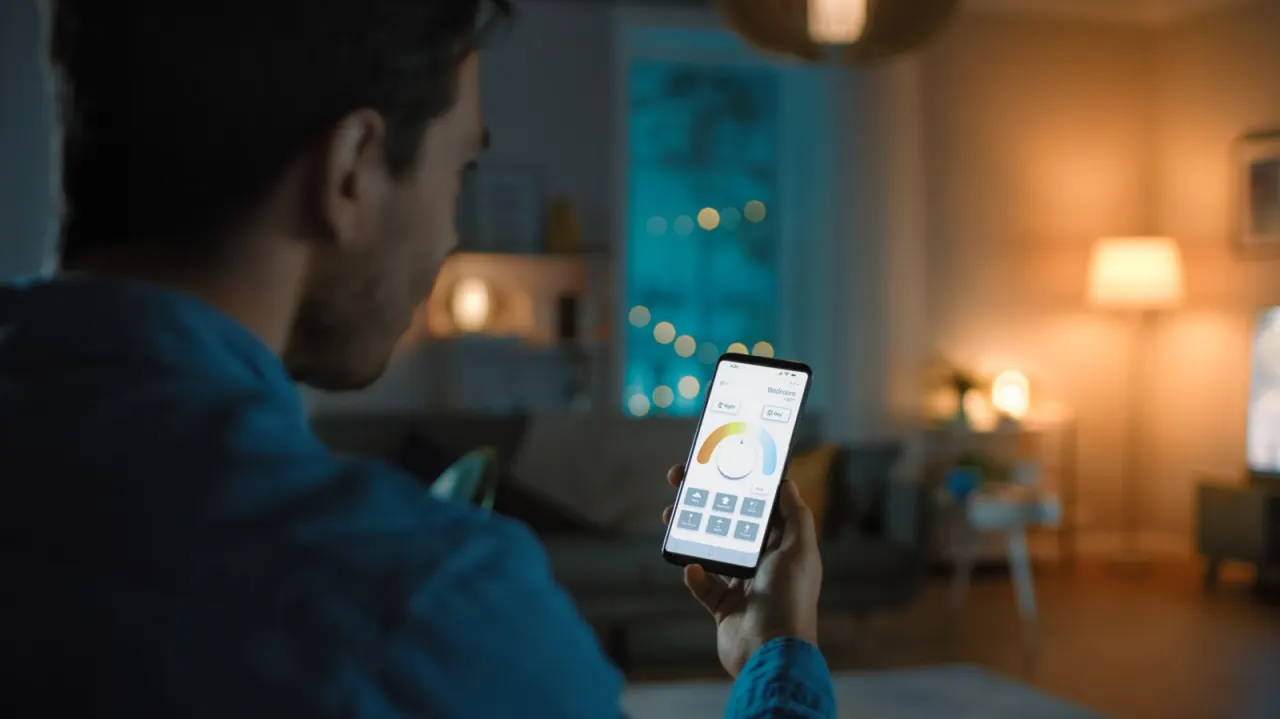
Engadget argues that cheap smart home gadgets often cost more in the long run than their price suggests. Budget devices can cause problems with Wi-Fi congestion, limited compatibility with Apple Home, weak manufacturer support and subscription requirements. The article suggests that buyers should weigh these risks before choosing the cheapest option.
Premium products such as Philips Hue starter kits normally cost upward of $140, and top smart locks can cost twice as much. Many cheap bulbs use 2.4GHz Wi-Fi rather than hub-based standards such as Thread and Zigbee, which can strain a router as the number of devices grows. Cheaper accessories often support only Amazon Alexa or Google Home, while some Ring cameras that cost $80 or less need a Ring Protect subscription for recording and person detection.
In short
- Cheap smart home gadgets can cost more over time
- Watch for Wi-Fi congestion, limited compatibility and weak support
- Subscriptions and discontinued products are common pitfalls
Steelman: both sides, in good faith
The strongest fair case each way — we don't pick a winner.
The case for
Buyers who look beyond the sticker price have good reason to weigh long-term costs, because cheap smart devices can strain a home network through 2.4GHz congestion, work with only a narrow set of assistants, and depend on manufacturers who may stop issuing updates. Premium systems such as Philips Hue or Thread- and Zigbee-based products often perform more reliably as a household adds devices, and features like person detection that sit behind subscriptions can turn a low upfront price into a recurring expense. For people who rely on their smart home for security or daily routines, a dependable ecosystem with lasting support may justify paying more at the outset.
The case against
Many households do not need a large, interoperable ecosystem, and for a handful of lights or a single plug, a budget device can deliver the convenience the buyer wants at a fraction of the cost. Plenty of inexpensive devices run reliably on modern routers, and the risks described, such as congestion or subscriptions, are often manageable through a router upgrade, by using features that work without a paid plan, or by choosing products that do not require one. Premium purchases carry their own risk, since they can lock buyers into a single platform that may not suit their needs, whereas a low-cost device is cheap to replace if it fails or support ends. In this view, price-conscious shoppers are making a reasonable judgement about their own requirements rather than being careless.
Explained simply
Smart home devices are internet-connected gadgets such as lights, plugs, locks and cameras that can be controlled with a phone or voice assistant. Premium options, such as Philips Hue starter kits, typically cost more than $140, and top smart locks can cost roughly twice that. Cheaper alternatives can look like a bargain, but the story is about whether those savings hold up over time.
Many budget bulbs connect over 2.4GHz Wi-Fi, rather than hub-based standards such as Thread and Zigbee, which can put a strain on a home router as more devices are added. Cheaper accessories also tend to work with only some voice assistants, such as Amazon Alexa or Google Home, and may not support Apple Home. Some budget products also depend on manufacturer support and subscriptions, which can affect how long they remain useful.
The debate matters because smart home gear is increasingly common, and buyers often judge products by their upfront price alone. Engadget's argument is that ongoing costs, network performance and compatibility should also be weighed before choosing the cheapest option. Readers considering new devices may find these factors important when deciding what to buy.
Read the full article at the source →
Originally published by Engadget as “Why deep discounts on smart home gadgets can cost you in the long run”.