Technology news and discussion on TalkFuse.
Why EV fast charging slows down after 80 percent
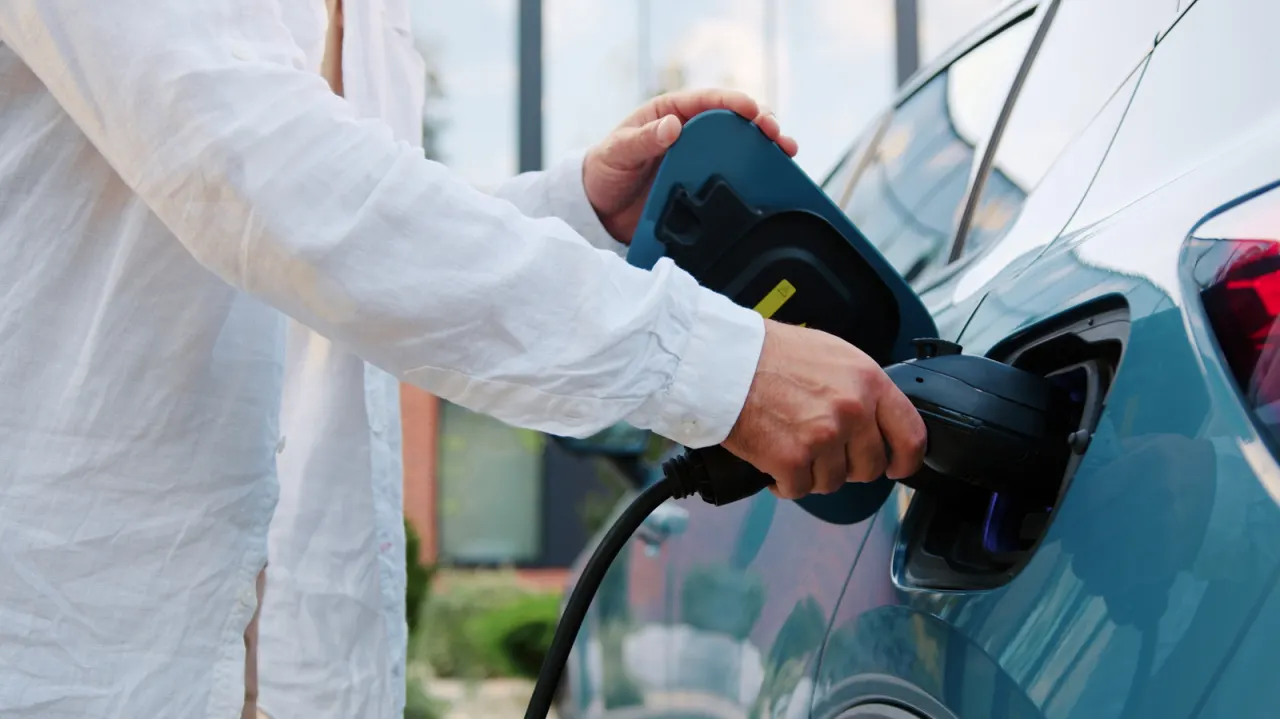
Electric car charging slows markedly after about 80 per cent because lithium ions take longer to move into an almost full battery’s graphite anode. The car reduces the charging current to protect the battery, so the final part of a charge can take much longer than the first.
Fast chargers, typically rated from 50kW to 350kW, send direct current to the battery, while ordinary sockets and charging posts rely on the car to convert alternating current. Pushing current too hard into a nearly full battery can cause lithium plating, which permanently reduces capacity and may create a short circuit. BYD says its second-generation Blade Battery, unveiled in March 2026, can charge to 97 per cent in nine minutes by making it easier for ions to move through the battery.
In short
- EV charging slows as the battery approaches full.
- The reduced speed helps prevent damaging lithium plating.
- BYD says its new battery reaches 97 per cent in nine minutes.
Explained simply
Electric cars store energy in batteries, which are filled by moving lithium ions between two materials inside them. As a battery gets close to full, those ions take longer to settle into place, so the car reduces the charging speed to limit stress on the battery.
Fast chargers send direct current to the battery, while standard sockets and many charging posts supply alternating current that the car converts. Charging too quickly near full capacity can cause lithium to build up in a damaging form, reducing the battery’s capacity and potentially causing an internal short circuit.
This is why drivers often spend less time charging from a low level to around 80 per cent than they do topping up the rest. Battery makers, including BYD, are working on designs that could make ions move more easily and shorten the wait near full charge.