Why Moscow is staying tight-lipped on Trump’s energy ceasefire
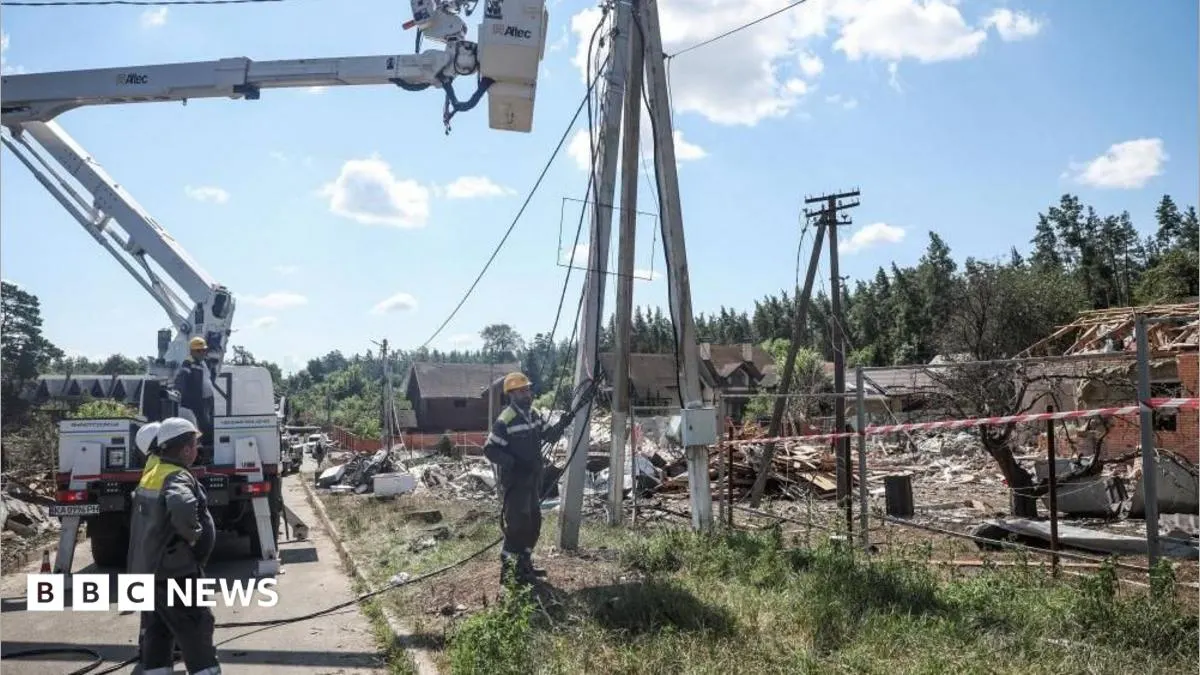
On Sunday, US President Donald Trump announced that Russia and Ukraine had agreed to a ceasefire on energy infrastructure strikes "effective immediately". However, Ukraine's President Zelensky indicated surprise at the announcement, saying it was "news for me", whilst Russia's Kremlin spokesman declined to confirm the agreement, stating only that "contacts are continuing". This unexpected unilateral declaration has raised questions about whether both parties have genuinely consented to the arrangement.
Pro-Kremlin media outlets have interpreted the ceasefire as strategically advantageous to Russia, claiming it restricts Ukraine's drone strikes on Russian oil facilities whilst Russia's greater number of refineries means it has less to lose. Russia has continued to strike Ukrainian energy infrastructure during recent months, whilst Ukraine has inflicted significant damage on Russian oil facilities. The Kremlin appears focused on military victory rather than a negotiated peace, having rejected Ukraine's call for a 60-day ceasefire to enable elections, instead proposing only a one-day halt.
- Trump announced energy ceasefire; Ukraine uncertain, Russia silent publicly
- Pro-Kremlin outlets say deal favours Russia's greater refinery capacity
- Kremlin focused on military victory, rejects meaningful ceasefire proposals
New here? Start with this
Russia and Ukraine have been at war since 2022, with both sides striking the other's energy infrastructure as a core military strategy. Attacks on power stations, refineries and fuel pipelines damage military capabilities and disrupt civilian life, making energy security a central battlefront in the conflict.
Ukraine's energy sector is more vulnerable because its infrastructure is concentrated in a smaller area, making strikes particularly damaging. Russia, with facilities spread across a vast territory, can more easily absorb damage to individual plants. Energy strikes therefore have very different strategic effects on each side.
Any agreement to stop attacking energy infrastructure would mark a major shift in military strategy for both sides. Both countries have made energy strikes central to their approach, so a genuine ceasefire would require confirmed agreement from both parties.
Both sides, in good faith
The strongest fair case each way — we don't pick a winner.
The case for
Energy infrastructure ceasefires reduce civilian suffering by protecting essential services including heating, electricity, and water supplies, with humanitarian benefit independent of military calculation. Such agreements create space for diplomatic engagement and demonstrate commitment to limiting armed conflict's impact on non-combatant populations, potentially establishing precedent for broader de-escalation.
The case against
Energy infrastructure constitutes legitimate military targets supporting military operations, with Ukraine relying on such strikes as asymmetrical leverage against Russian conventional superiority. Unilateral ceasefire announcements without genuine bilateral agreement misrepresent the parties' actual positions, weaken Ukraine's negotiating foundation by implying unreciprocated concessions, and substitute symbolic gestures for substantive diplomatic frameworks.