Politics news and discussion on TalkFuse.
Why software updates may have an unexpected effect on your phone
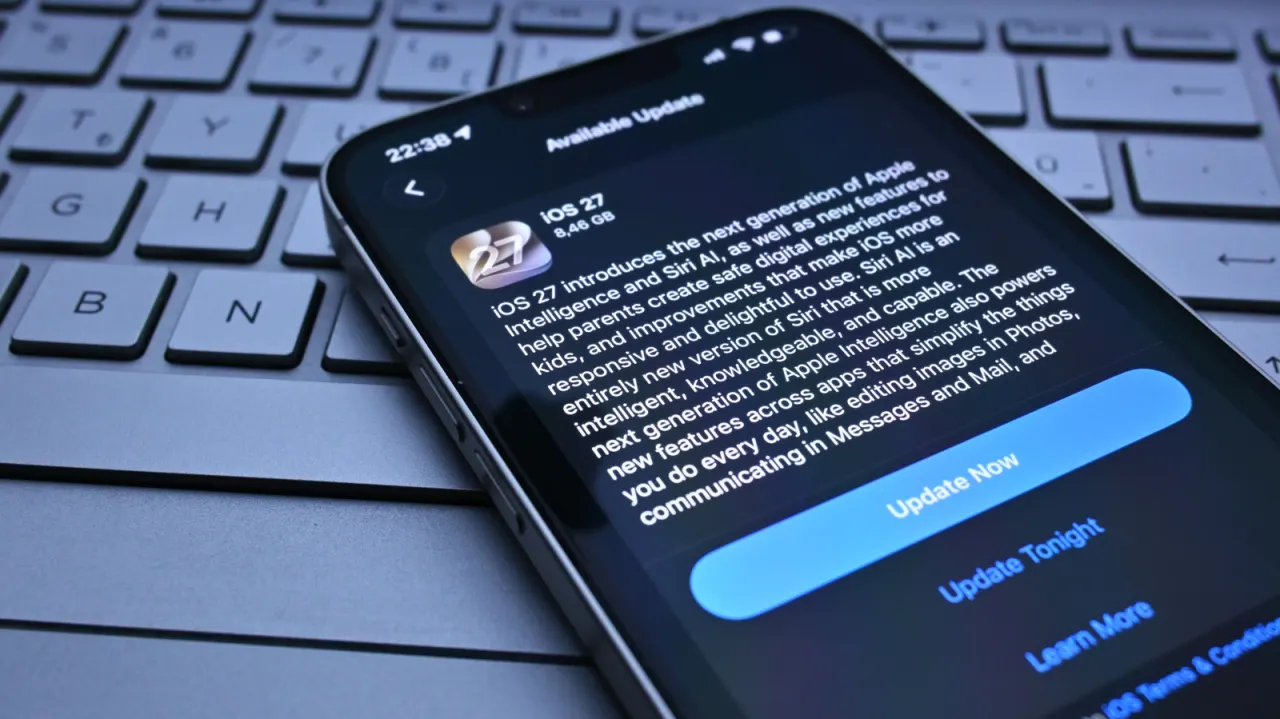
Phone updates can temporarily make iPhones and Android devices feel slower, warmer and more power-hungry while the system completes background work such as reindexing data. The effect matters because it can resemble a lasting performance problem, even though phones often return to normal once the work is finished.
Indexing can take hours or, on some devices, days; Sony says Android indexing usually takes no more than two days. Older phones may also struggle with major updates designed for newer hardware. Leaving the phone plugged in and connected to Wi-Fi can help, while restarting it, updating apps, freeing storage and checking battery health may address persistent slowness.
In short
- Updates can temporarily slow phones as background indexing runs.
- Older devices may struggle with software built for newer hardware.
- Try charging, Wi-Fi, a restart, app updates and freeing storage.
Explained simply
Phones run software from their operating system, which controls basic functions such as apps, settings and battery use. Apple’s iPhones use iOS, while many other manufacturers use Android, and both systems receive updates that can change features or fix problems.
After an update, a phone may sort and rebuild information in the background so it can find things quickly. This can use extra power and processing, making the device feel slower or warmer for a while; the work may take hours and sometimes longer.
The effect can be more noticeable on older phones, which may have less capacity for newer software. Knowing that background work can temporarily affect performance helps distinguish it from a problem that continues after the phone has had time to finish.
Geopolitics Politics Software Technology